Swim Turquoise Water with Family Near Lillooet Together
Why Rent On Seton Lake
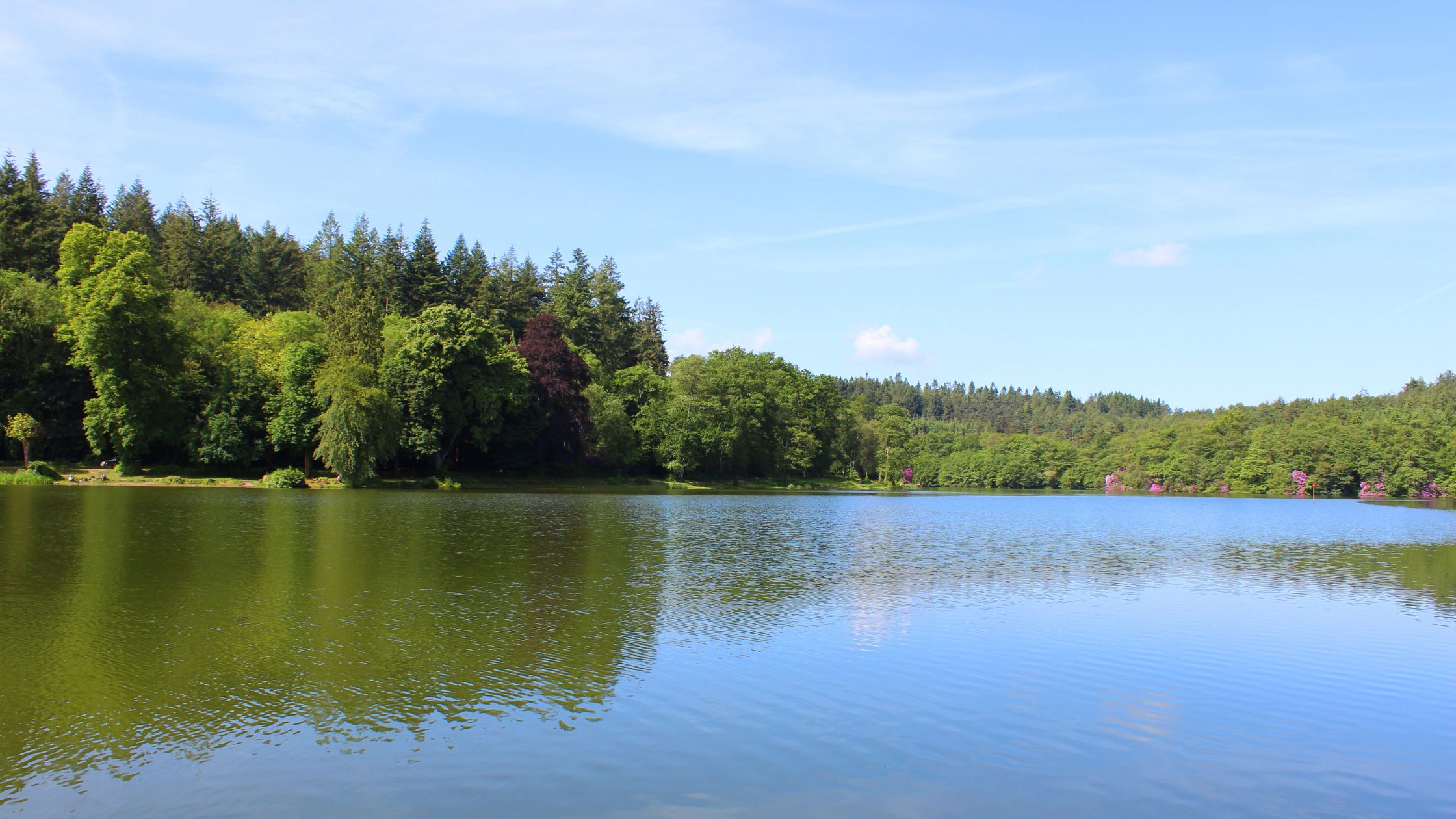
Seton Lake occupies a fjord valley in the Squamish-Lillooet region of southwestern British Columbia, seven kilometres southwest of Lillooet at an elevation of 243 metres. At 22 kilometres long and 26 square kilometres in area, the lake drains east via the Seton River into the Fraser River, with Mission Ridge defining the northeast shore and the Cayoosh Range forming the southwest wall. Depth estimates run from 457 to 460 metres — one of the deepest lakes in British Columbia and in Canada — carved by the same glacial processes that created the sea inlets along the BC coast, which explains both the vertical drama of the surrounding terrain and the near-total absence of any transition zone between snow-capped peaks and waterline. The Canadian National Railway runs along the north shore through a corridor so narrow that avalanche protection is a routine engineering consideration; two locomotives driven into the lake by rockslides remain on the bottom. The lake’s current milky turquoise colour is a consequence of the Bridge River Power Project: BC Hydro’s diversion of glacially silted Bridge River water into the lake’s western end near Shalalth transformed the colour entirely. Before the diversion, Seton was reportedly the clearer of the two adjacent lakes; today Anderson Lake to the west holds that distinction, while Seton’s turbid turquoise is among the most visually spectacular colours in the British Columbia interior.
On the water
The BC Hydro Seton Dam recreational area at the lake’s eastern end provides a public beach, picnic facilities, canoe hire, and a viewpoint accessible to all visitors. BC Hydro maintains a free first-come, first-serve campground nearby. Canoe and kayak hire is available through Xwisten Experience Tours, run by the Xwisten First Nation — an exceptional opportunity to engage directly with the St’át’imc people whose territory encompasses the lake and surrounding landscape. Experienced paddlers can kayak the length of the lake, though the afternoon winds that develop through the fjord valley can generate significant fetch across 22 kilometres of open water; morning departures are strongly advisable. Fishing for rainbow trout and the small sockeye salmon population that uses the Seton River corridor is available with a BC fishing licence; check current Fisheries and Oceans Canada regulations at fishing.gov.bc.ca. The Kaoham Shuttle — a lake boat service connecting Lillooet and Seton Portage — operates in the tradition of the steamboat services that once supplied the community; confirm current operating status before any visit that depends on it.
What to do near Seton Lake
Lillooet, seven kilometres east, is a town of remarkable historical depth: it was Mile 0 of the Cariboo Wagon Trail during the 1858 Fraser Canyon Gold Rush, the origin of the naming convention that produced 70 Mile House, 100 Mile House, and eventually Barkerville. The Lillooet Museum addresses this history alongside the St’át’imc people’s deep connection to the Fraser River salmon fishery. Fort Berens Estate Winery, in Lillooet, produces award-winning reds and whites from one of BC’s most surprising terroirs — the hot, dry Fraser Canyon climate that most wine travellers never discover. Anderson Lake, connected to Seton Lake via the Seton Portage River, offers a complementary fjord experience with clearer, bluer water; the two lakes together reward the visitors willing to explore both. The Duffy Lake Road between Lillooet and Pemberton is one of the finest mountain driving routes in BC, passing volcanic peaks, glaciated terrain, and wilderness lakes before descending to Whistler.
When to go and where to stay
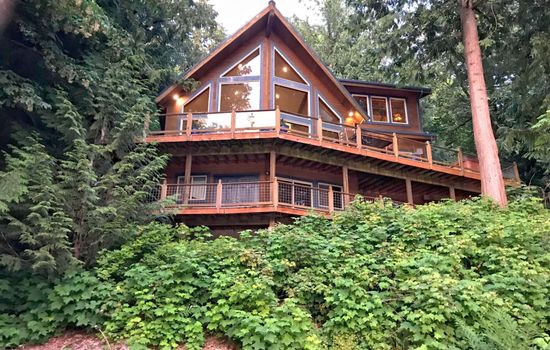
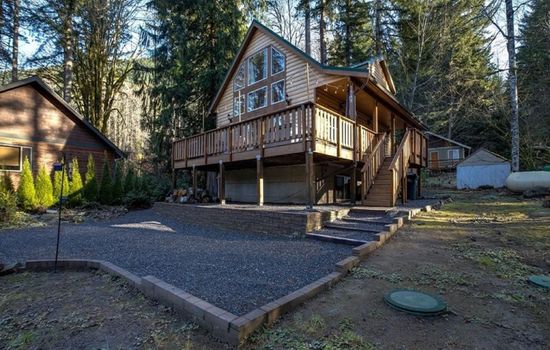
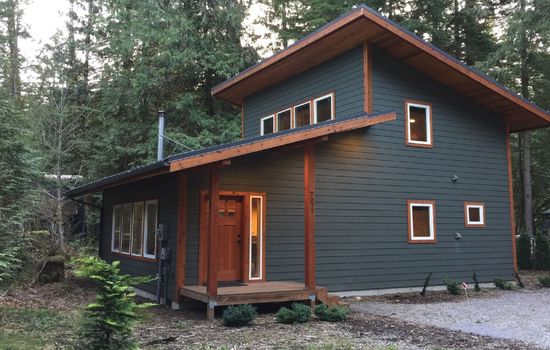
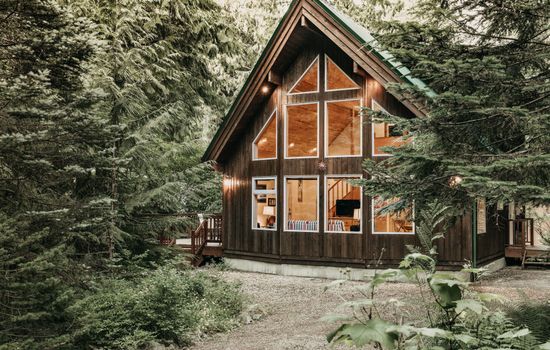
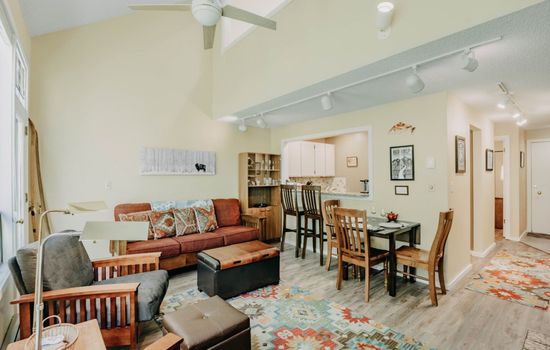
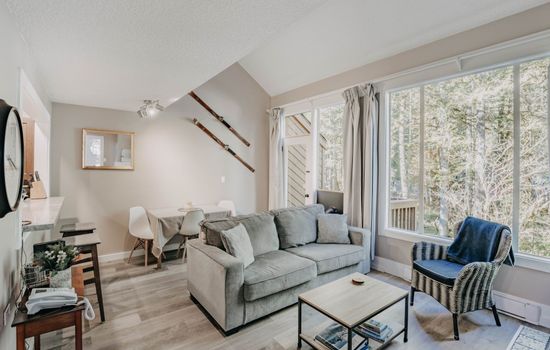
May through September is the primary visiting season, with the beach and BC Hydro campground most accessible from late spring through early fall. July and August are warmest for swimming, though morning visits are generally calmer and more pleasant for paddling and photography before the fjord’s afternoon winds develop. The viewpoint and lookout trail are accessible year-round; the snow-capped peaks reflected in turquoise water reach their most dramatic seasonal contrast in May and June when snowpack is at maximum. The BC Hydro free campground provides the most immediate overnight access. Lillooet, seven kilometres east, offers hotel accommodation, Fort Berens Winery facilities, and independent restaurants reflecting the town’s culturally layered character. Browse Lake.com for vacation home and cabin rental listings in the Lillooet and Seton Lake area of British Columbia.
- Surface area (km)
- 26.2
- Max depth (m)
- 151
- Elevation (m)
- 243
- Shoreline length (km)
- 46
Popular activities
- Boating
- Canoeing
- Fishing
- Hiking
- Kayaking
- Swimming

Planning a trip?
Tell us about your upcoming trip and how we can help!
Frequently Asked Questions
Ready to dive into what Seton Lake has to offer? Let’s tackle some of the burning questions you might have as you plan your visit!
-
Yes, swimming is allowed in Seton Lake, but the water is cold and only comfortable in August or September. There is a public beach accessible from Highway 99.
-
Seton Lake is a popular destination because it offers various recreational activities. You can enjoy boating, canoeing, hiking, and fishing at the lake. The area also includes campgrounds and picnic sites, making it a great spot for outdoor enthusiasts.
-
There are specific regulations for fishing in Seton Lake, British Columbia. Downstream of Seton Lake, no fishing is allowed from April 1 to May 31, and trout under 25 cm are protected. The lake is also part of the Seton River system, which has additional rules such as being exempt from spring closure.
-
The public beach accessible from highway 99 at Seton Lake is best for families. This beach offers spectacular scenery and is easily accessible. The lake rarely freezes, making it a reliable option for family outings year-round.
-
The closest town to Seton Lake in British Columbia is Lillooet. Seton Lake is located about 7 kilometres southwest of Lillooet. The lake drains into the Fraser River at the town of Lillooet.