
Information not accurate?
Help us improve by making a suggestion.
Autumn Begins at Wilmington’s Brandywine Festival of the Arts
Open-air arts festival with hundreds of artists, craft vendors & live music.
Event details
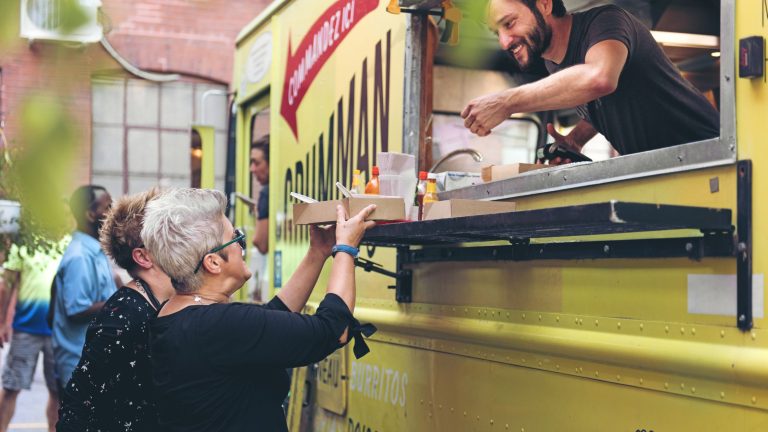
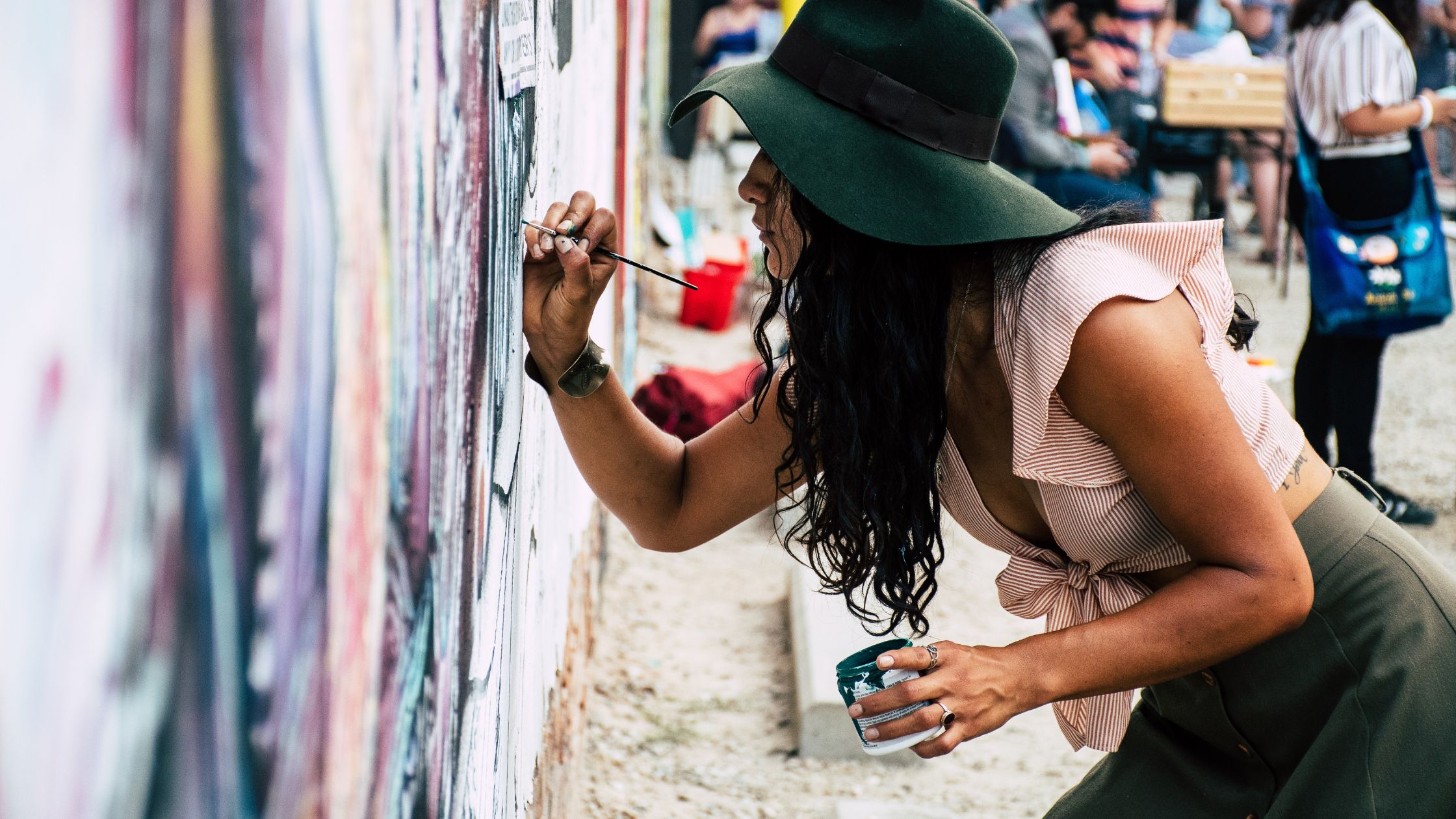
The sixty-fifth annual Brandywine Festival of the Arts returns to Wilmington, Delaware, on Saturday, September 12, and Sunday, September 13, 2026, transforming the Josephine Gardens within Brandywine Park into an open-air gallery where more than two hundred juried artists display paintings, sculptures, ceramics, jewelry, woodwork, and mixed media beneath the dappled shade of century-old trees. The festival, which regularly ranks among the nation’s top one hundred art shows, draws some fifteen thousand visitors each weekend to browse original works, listen to live performances ranging from jazz ensembles to folk singers, and sample an eclectic spread of food trucks serving everything from Asian fusion to local barbecue.
Admission is five dollars per day, with children under twelve admitted free, and parking is available at Incyte on Augustine Cut Off, where complimentary shuttle buses—pet-friendly, for those bringing leashed companions—ferry attendees to the festival entrance. The event runs rain or shine, with hours from ten in the morning to six in the evening on Saturday and ten to four on Sunday.
What began in 1961 as a modest one-day exhibition organized by “Big George” Sargisson and a cadre of volunteers from the nonprofit Recreation Promotion and Service—complete with a bull roast alongside two-dimensional artworks in downtown Wilmington—has evolved into Delaware’s largest outdoor cultural event. The festival found its permanent home in Brandywine Park, the state’s oldest urban green space, established in 1886 after Frederick Law Olmsted himself traveled to Wilmington and, upon seeing the fast-flowing waters of Brandywine Creek, enthusiastically endorsed the site. Samuel Canby, the city’s first parks commissioner, designed the 178-acre landscape following Olmsted’s principles of the Natural Landscape Movement, blending roads and pathways into contoured hillsides where native vegetation frames rocky shoals and the historic mill race that once powered the region’s industrial might. The park earned a place on the National Register of Historic Places in 1976, and its formal rose garden, cherry blossom collection, and the elegant Josephine Fountain continue to provide the kind of scenic backdrop that makes browsing for art feel like wandering through a living canvas.
The Brandywine Valley’s cultural significance extends well beyond its parklands. Just upstream, French émigré Eleuthère Irénée du Pont established his gunpowder mills along the creek in 1802, building the enterprise that would become the largest producer of black powder in the United States and eventually evolve into one of America’s most influential corporations. The mills operated until 1921, their stone ruins now preserved at the Hagley Museum and Library, where visitors can trace the waterways that once turned massive wheels grinding saltpeter, charcoal, and sulfur into the powder that armed a young nation. That industrial legacy shaped Wilmington’s civic character, most notably through Pierre S. du Pont’s commission of the magnificent Hotel Du Pont in 1913—a twelve-story Italian Renaissance landmark where French and Italian craftsmen spent more than two years carving, gilding, and painting the opulent interiors that would host everyone from Charles Lindbergh to Prince Rainier of Monaco, whose courtship of Grace Kelly was famously facilitated over dinners in the hotel’s legendary Green Room.
The Kids Korner keeps young visitors engaged with face painting, crafts, and hands-on art workshops, while pet adoption organizations offer the possibility of returning home with more than just a new painting. After a day wandering the festival grounds, dining options in nearby Trolley Square beckon: Kid Shelleen’s Charcoal House and Saloon, a neighborhood institution since 1983 named for Lee Marvin’s character in the classic Western comedy Cat Ballou, serves burgers consistently voted the region’s best alongside legendary weekend brunches featuring house-made sticky buns. For something more refined, Bardea Food & Drink on Market Street—a 2019 James Beard Foundation semifinalist for Best New Restaurant and named among USA Today’s 2025 Restaurants of the Year—showcases Executive Chef Antimo DiMeo’s modern interpretations of Italian cuisine using ingredients from Delaware Valley farms, a menu creative enough to have earned the honor of catering Italian dinners for visiting world leaders at the White House.
Ready to discover where art, history, and community converge along one of the Mid-Atlantic’s most storied waterways? Start planning your visit now on Lake.com.
Information not accurate?
Help us improve by making a suggestion.