Fish Clear Water and Feel Northern Air at Lake Athabasca
Why Rent On Lake Athabasca
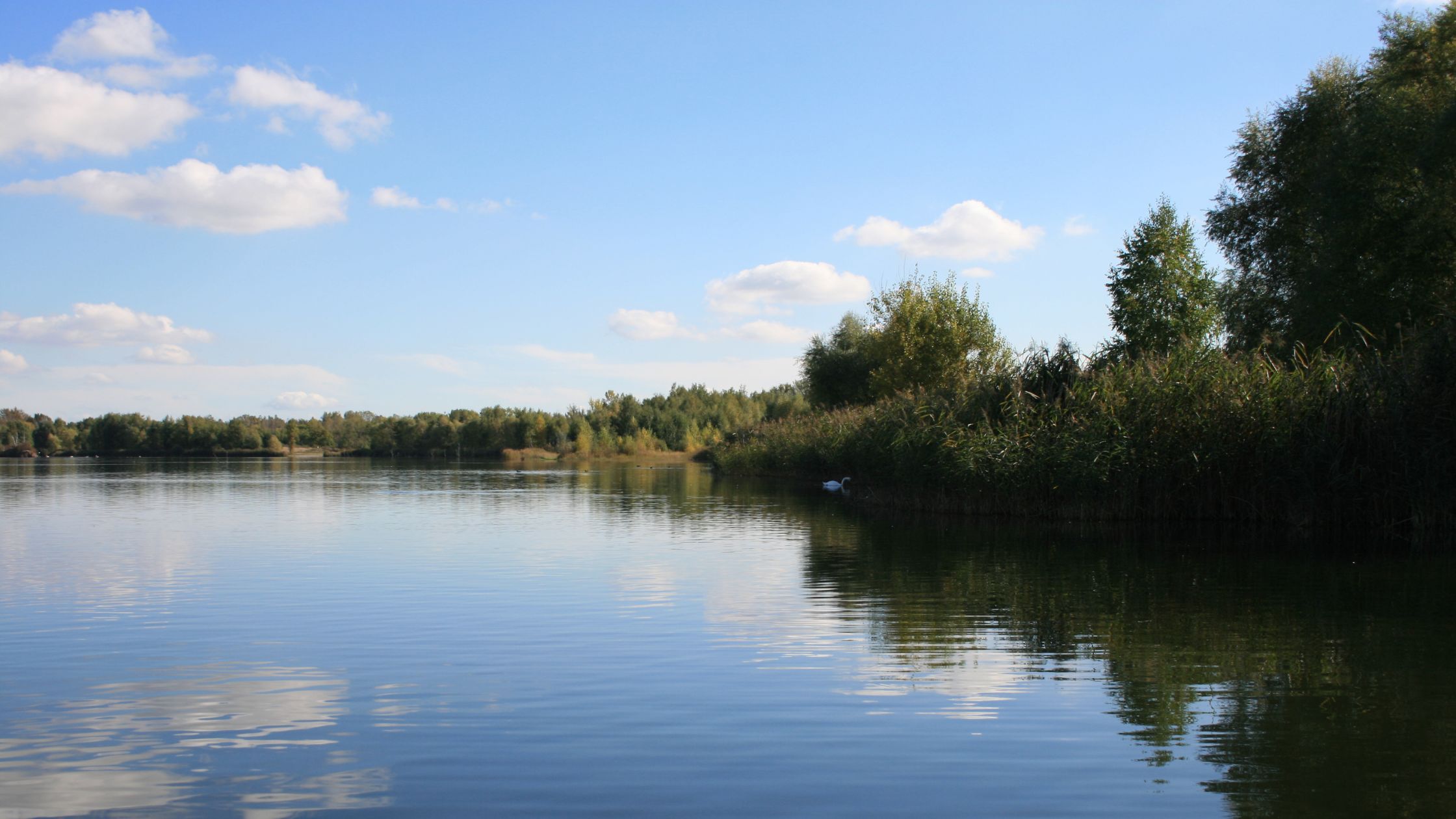
Lake Athabasca straddles the Saskatchewan-Alberta border in a landscape where the boreal forest gives way to the subarctic tundra and the Canadian Shield meets the Interior Plains. At approximately 7,936 square kilometres, it is one of Canada’s largest lakes and one of its most remote, with the historic town of Fort Chipewyan on the southern shore carrying a fur-trading heritage that predates Canadian confederation. The Lake Athabasca Sand Dunes, the largest active sand dunes north of the 58th parallel, line the southern Saskatchewan shore in a geological spectacle that has no parallel anywhere else in the country, and Wood Buffalo National Park, a UNESCO World Heritage Site, encompasses much of the lake’s surrounding wilderness.
Twenty-Three Species Including Trophy Lake Trout and Walleye
Lake Athabasca holds 23 fish species, including lake trout, walleye, yellow perch, and northern pike, in cold, clear water that sustains one of Canada’s finest northern fisheries. Boat launches and marinas serve the lake’s established communities, and the summer season brings kayaking and canoeing across waters that are, by the standards of most recreational lakes, astonishingly unpeopled. In winter, the frozen lake becomes an ice fishing destination of genuine trophy-class quality, with snowmobiling and dog sledding through the surrounding subarctic wilderness adding a cold-season dimension that most southern Canadian families have never experienced.
A Rental at the Edge of Canada’s North
Staying in a lakehouse or cabin near Lake Athabasca is a commitment to a version of Canada that most Canadians only read about. The properties in Fort Chipewyan and the surrounding communities offer private access to one of the continent’s great remote fisheries, full kitchens for processing the lake trout and walleye that the stay invariably produces, and a natural environment that includes Wood Buffalo National Park’s bison herds, whooping cranes, and the extraordinary dark sky that distances this far from any city consistently deliver. The sand dunes on the Saskatchewan shore are a half-day excursion that earns its place among the most surprising natural experiences anywhere in the country. Pet-friendly options are available in the area.
What To Know
Lake Athabasca is genuinely remote, and reaching Fort Chipewyan requires either a flight from Fort McMurray or an ice road in winter. This is not a destination for the unprepared or the uncommitted. Families who arrive with the right expectations, a properly planned itinerary, and a genuine appetite for wilderness rather than resort amenities find it one of the most extraordinary lake experiences Canada offers. Those who arrive expecting anything close to conventional cottage-country infrastructure will be significantly disappointed.
Lake Athabasca is for the family whose lake holiday is a serious undertaking rather than a comfortable routine. The trophy trout, the sand dunes, the Wood Buffalo wildlife, and the particular quality of light at this latitude in July, when the sun barely sets and the lake turns gold at midnight, are the rewards for the families who make the commitment.
- Surface area (km)
- 7935
- Max depth (m)
- 124
- Elevation (m)
- 207
- Shoreline length (km)
- 2540.35
Popular activities
- Boating
- Kayaking
- Canoeing
- Fishing
- Fly Fishing
- Freshwater Fishing

Planning a trip?
Tell us about your upcoming trip and how we can help!
Frequently Asked Questions
Ready to dive into what Lake Athabasca has to offer? Let’s tackle some of the burning questions you might have as you plan your visit!
-
No, it is not safe to swim in Lake Athabasca. Community leaders in Fort Chipewyan have expressed concerns about water quality due to potential contaminants from barges and the nearby Alberta oil sands. Independent water-quality testing is ongoing to assess the safety of the water.
-
Lake Athabasca is a popular destination because of its commercial fishing, particularly for whitefish and lake trout. The lake is also significant for its gold and uranium mines, and it is near Canada’s largest national park, Wood Buffalo National Park. Additionally, it has historical importance with settlements like Fort Chipewyan and Uranium City.
-
Yes, there are specific size and catch limits for fishing in Saskatchewan, which apply to waters including those near Lake Athabasca. For example, the daily limit for walleye is four, with only one exceeding 55 cm, and for northern pike, it is five, with only one exceeding 75 cm.
-
There is no beach specifically at Lake Athabasca mentioned in the sources. However, for families, Baptiste Lake, Hope Lake, or Jackfish Lake are good options as they offer playgrounds, picnic areas, and boat launches, making them suitable for a family day out.
-
The closest town to Lake Athabasca in Saskatchewan is Uranium City. It is located about 10 km from the lake’s north shore and is significant for its gold and uranium mines. Uranium City is connected to Fort Chipewyan on the lake’s southwestern shore by a steamer service from June to October.