Boat Sapphire Water and Fish with Family Near Whitehorse
Why Rent On Lake Laberge
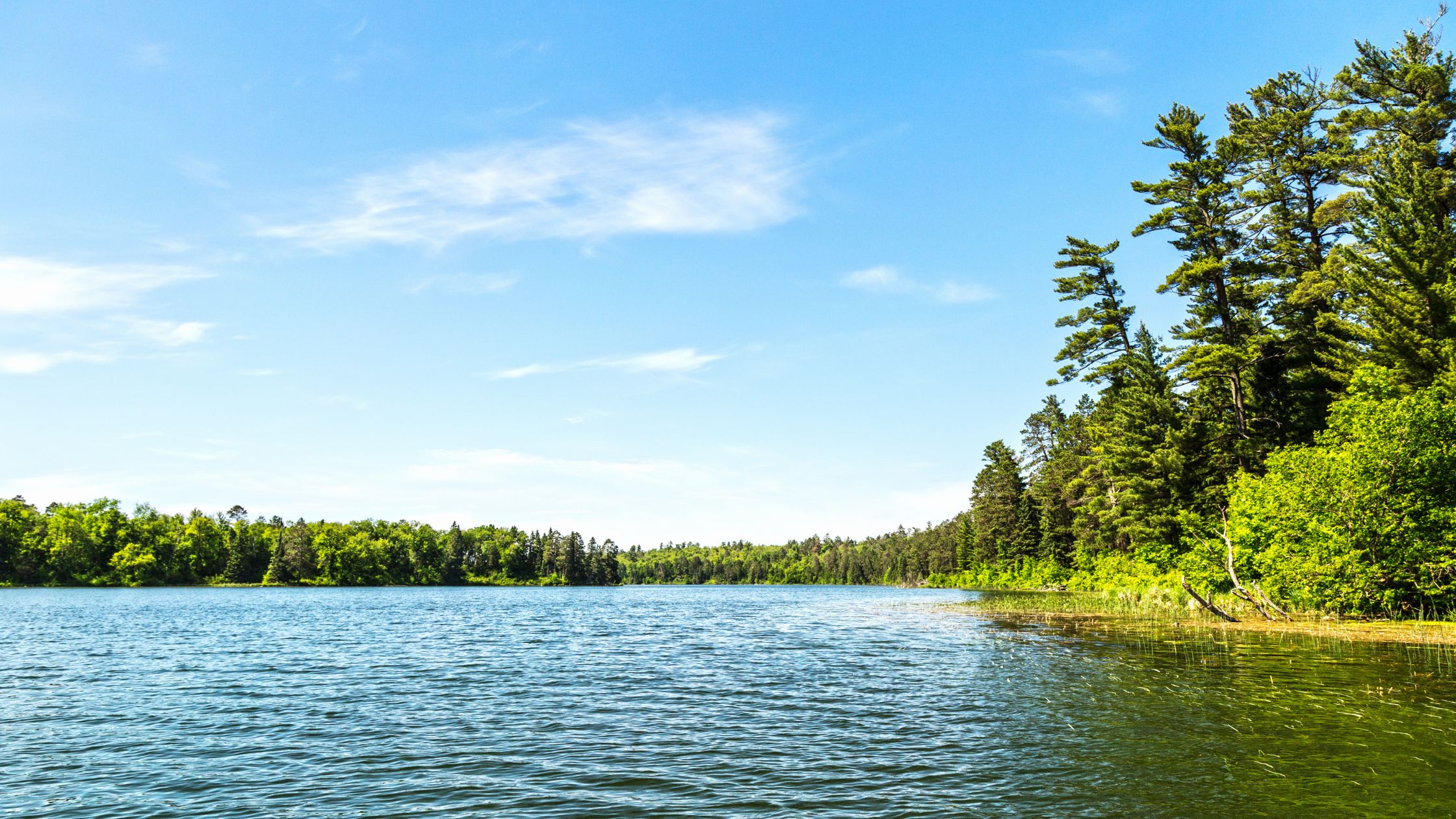
Lake Laberge is a 50-kilometre widening of the Yukon River lying just north of Whitehorse, its deep sapphire water cold, clear, and carrying the weight of serious history. The wreck of the A.J. Goddard — a Gold Rush sternwheeler that sank here in 1901 — has been designated an historic site by the Yukon government, and the lake’s literary fame stretches further still. Cozy cabins and beautiful waterfront vacation homes near Whitehorse put guests within a 30-minute drive while keeping restaurants, gear shops, and grocery stores close at hand. For families making the journey north, this is the kind of lake that immediately communicates: you have arrived somewhere that matters.
Summer Days That Never Seem to End
The Yukon’s midnight sun means fishing for burbot and lake trout in golden light at ten in the evening, which is exactly as wonderful as it sounds. Boat launches along the shoreline welcome kayakers and canoeists, and the surrounding dense forests reward hikers and wildlife watchers with reliable sightings of moose, foxes, and bald eagles. Families with multiple generations split easily here: anglers take the water, hikers take the trails, and younger kids stay close to a lakeside rental with a generous deck and a hot tub within easy reach. Pet-friendly rentals in the area provide ample outdoor space for dogs to run while their owners watch the lake.
Winter at the Edge of the Arctic
When Laberge freezes, it becomes a winter destination of rare, still beauty. Ice fishing is popular and meditative, snowmobilers explore the routes along the Takhini River, and the Northern Lights stage some of their most vivid performances over the open water. Dog sledding is available nearby, and the deep cold and dark of a Yukon winter gives the lake a quality of silence that is genuinely hard to find anywhere closer to home. Whitehorse — 30 minutes south — has all the gear shops, restaurants, and amenities a family needs to prepare for a comfortable backcountry adventure.
Why a Rental Beats a Hotel Here
A lakehouse or private cabin near Lake Laberge gives your group the flexibility that no hotel can match in this part of the Yukon. You can store fishing gear, cook your catch, and sit on a deck watching the Northern Lights without a checkout time on your mind. Multiple bedrooms comfortably accommodate the larger groups who tend to be drawn to this level of remoteness.
What To Know
Laberge’s cold water and sometimes strong winds make open-water swimming genuinely risky, especially for young children. Keep swimming to calmer, shallower inlets and bays, and this destination rewards every type of traveller — from the seriously adventurous to the deeply restful.
- Surface area (km)
- 201
- Max depth (m)
- 146
- Elevation (m)
- 628
- Shoreline length (km)
- 50
Popular activities
- Kayaking
- Canoeing
- Fishing
- Hiking
- Cross-country Skiing

Planning a trip?
Tell us about your upcoming trip and how we can help!
Frequently Asked Questions
Ready to dive into what Lake Laberge has to offer? Let’s tackle some of the burning questions you might have as you plan your visit!
-
No, swimming in Lake Laberge is not always safe. The lake’s conditions can quickly change from calm to stormy, and the water is very cold. It is important to check the weather and take proper safety gear before entering the water.
-
Lake Laberge is a popular destination because of its scenic 69-kilometre length and various outdoor activities. It offers opportunities for boating, canoeing, kayaking, fishing, and in the winter, ice fishing and snowmobiling. The lake is also known for its connection to Robert Service’s poem “The Cremation of Sam McGee” and its traditional significance for the Southern Tutchone people.
-
Yes, you need to use barbless hooks when fishing in Lake Laberge, Yukon Territory. As of April 1, 2024, barbless hooks are mandatory in Lake Laberge and several other Yukon lakes. This rule is part of the updated Yukon fishing regulations.
-
Yes, there is a beach with a boat launch on Lake Laberge. The territorial campground at the end of Deep Creek Road has a boat launch and access to a rocky or cobble beach. This beach is within a short walking distance from the campground facilities.
-
The closest town to Lake Laberge, Canada, in the Yukon Territory is Whitehorse. Lake Laberge is about a 40-minute drive north of Whitehorse along the North Klondike Highway. It is accessible via a side trip down Deep Creek Road from the highway.