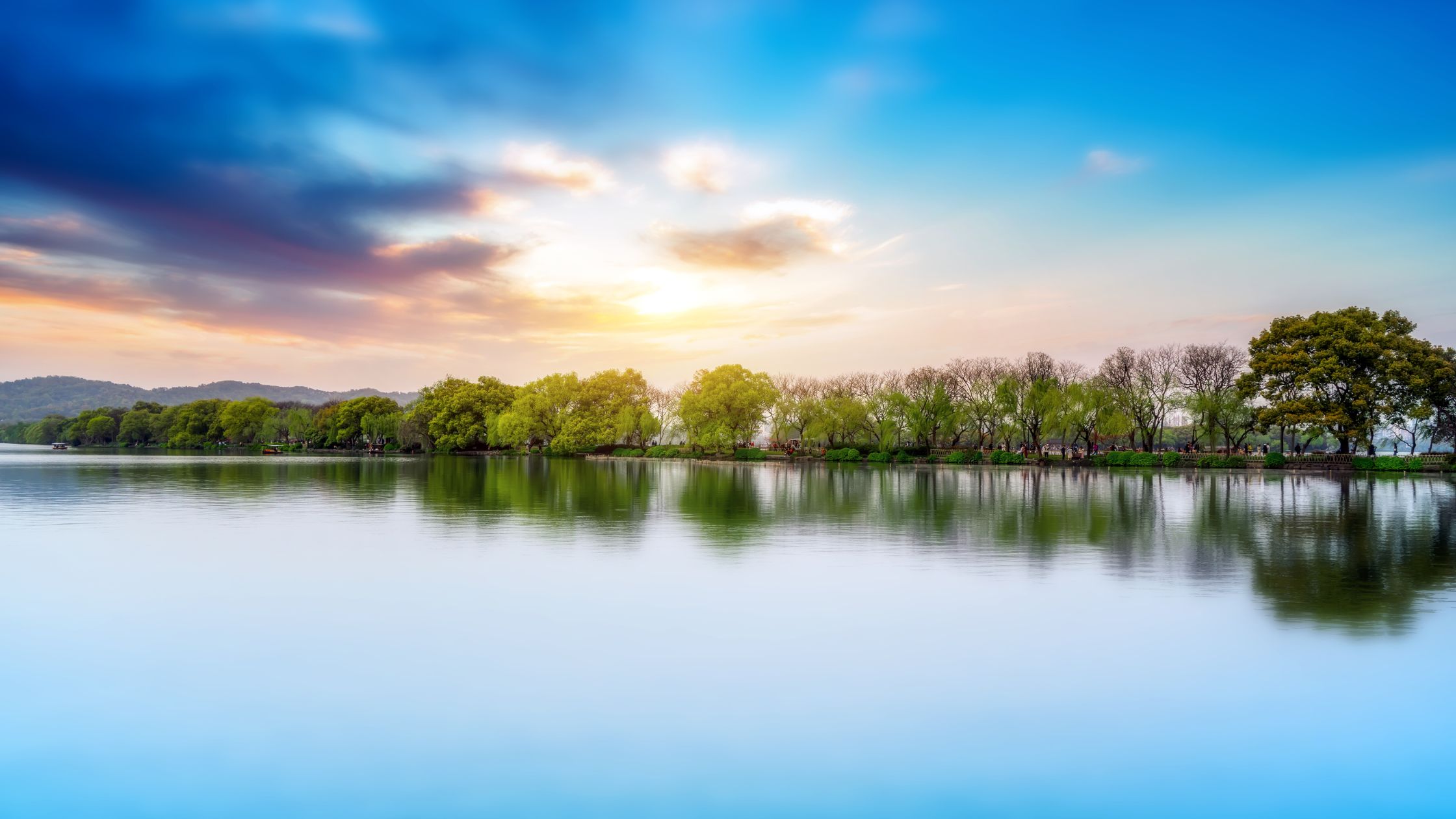
Swim Warm Blue Water with Family Near Haynes Point Park
Why Rent On Osoyoos Lake
Osoyoos Lake claims the title of Canada’s warmest lake, its shallow southern basin reaching water temperatures that rival the Mediterranean coast in July and August, and it sits at the southern tip of the Okanagan Valley in a landscape so dry and sun-drenched that the surrounding hills support the only true desert ecosystem in Canada. The town of Osoyoos is charming, walkable, and well-serviced, with a main beach area that is genuinely beautiful and a surrounding wine region, centred on Okanagan Falls and Oliver, that produces some of the country’s finest red wines. Waterfront vacation homes, lakeside cabins, and luxury rental condos around Osoyoos Lake comfortably sleep four to twelve guests with stunning lake views, private beaches where available, full kitchens, and the kind of warm, sun-saturated setting that makes getting up early feel natural and staying up late feel equally justified.
The Osoyoos Marina, Haynes Point, and the South Okanagan Wine Route
Osoyoos Marina provides boat rentals, water sport access, and launching facilities for families who want to be on the water actively. Haynes Point Provincial Park, a narrow spit of land extending into the lake, is one of the finest provincial parks in BC for camping and swimming, with warm, shallow water on both sides of the peninsula and a narrow beach that is simply beautiful in the early morning. The South Okanagan wine route, with dozens of wineries between Osoyoos and Oliver, is an afternoon-long activity that adult members of any group appreciate, and the Nk’Mip Desert Cultural Centre on the Osoyoos Indian Reserve provides an outstanding introduction to the history and contemporary culture of the Syilx people who have lived in this valley for thousands of years.
Why a Rental Beats a Hotel Here
Osoyoos has several excellent hotels and resort properties, but the waterfront ones are expensive and fill quickly for peak summer. A vacation home with a private waterfront, a full kitchen, and a deck facing the lake gives families a more complete experience of Osoyoos than any hotel provides, particularly for groups of six or more where separate hotel rooms would cost considerably more and deliver considerably less space. Pet-friendly rentals are available around the lake.
What To Know Before Travelling
Osoyoos Lake’s extraordinary warmth and the popularity of its public beaches make it one of the busiest lake destinations in BC in July and August, with boat traffic on peak weekends reaching genuine density. A rental property with a private dock or sheltered bay access means you can step off the busy water when you want to and return to it on your own terms.
- Surface area (km)
- 23 km^2
- Max depth (m)
- 64
- Elevation (m)
- 278.22
- Shoreline length (km)
- 47.8 .
Popular activities
- Boating
- Waterskiing
- Wakeboarding
- Kayaking
- Canoeing
- Swimming
- Jet Skiing
- Fishing

Planning a trip?
Tell us about your upcoming trip and how we can help!
Nearby lakes
Frequently Asked Questions
Ready to dive into what Osoyoos Lake has to offer? Let’s tackle some of the burning questions you might have as you plan your visit!
-
Yes, it is safe to swim in Osoyoos Lake, but it is recommended to avoid shallow areas where geese are present. The lake’s water quality is monitored, and parameters such as pH, dissolved oxygen, and specific conductivity are within safe ranges.
-
Osoyoos Lake is a popular destination because it is Canada’s warmest freshwater lake. You can swim, rent a paddleboard, or relax on the beach. The lake has public access points, family-friendly picnic spots, and boat launches, making it ideal for various water activities and family outings.
-
In Osoyoos Lake, British Columbia, the daily limits include 5 trout/char (with no more than 1 over 50 cm), 2 burbot, 20 crappie, 25 crayfish, 5 kokanee (none from streams), and 8 walleye. The possession limits are twice the daily limits. For example, you can possess up to 10 trout/char and 16 walleye.
-
Cottonwood Beach is best for families. It offers shallow water that reaches far into the lake, making it safe for small children. The beach also has a grassy area, picnic tables, and washrooms, along with colourful flower gardens and a paved, wheelchair-friendly walkway.
-
Towns near Osoyoos Lake in British Columbia, Canada, include Oliver, Kaleden, Penticton, and Summerland. Osoyoos Lake is also close to the city of Oroville, Washington, just across the U.S. border. These towns are located in the South Okanagan region.