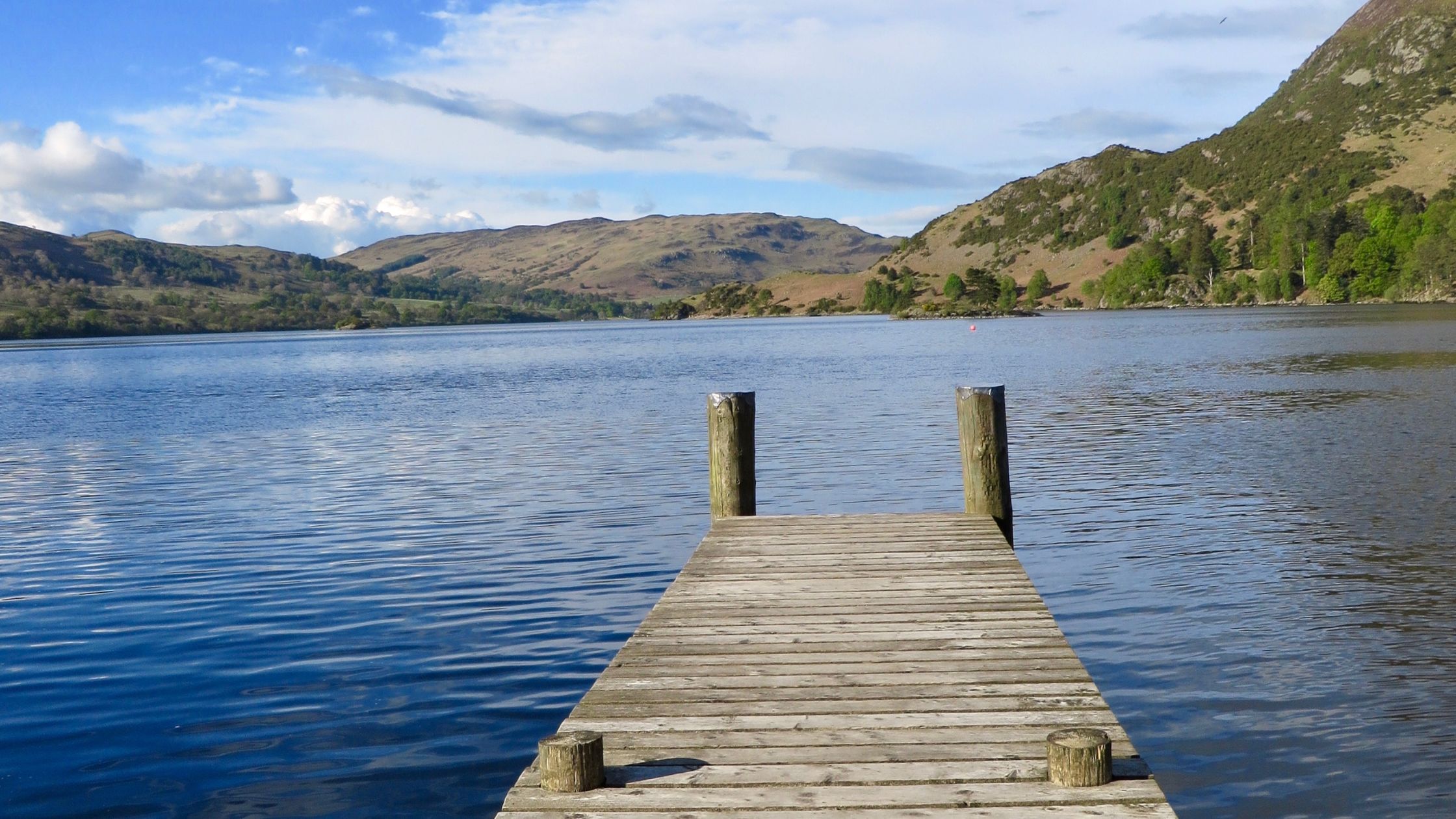
Swim, Boat, and Relax at Pickwick Landing State Park
Why Rent On Pickwick Lake
Pickwick Lake, a sprawling 43,100-acre reservoir created by the Pickwick Landing Dam, is a vibrant tapestry of natural beauty and adventure. Stretching from Counce, Tennessee, to Wilson Dam in Florence, Alabama, it traverses three states, offering a unique blend of landscapes and activities. For adventure travelers, the lake is a paradise with excellent sportfishing areas, notably the Wilson Dam tailwater, famous for record-size smallmouth bass and catfish. Boaters can explore the picturesque Yellow Creek Cove, home to a cascading waterfall and a timeless rope swing.
Wellness seekers will find solace in the nature trails and birding opportunities within Pickwick Landing State Park, where forested hills provide a serene backdrop for hiking and picnicking. Golf enthusiasts can tee off at the park’s 18-hole golf course or challenge themselves on the disc golf course.
Nearby, in Florence, Alabama, families can visit the Kennedy-Douglass Center for the Arts and the historic Pope’s Tavern, offering a glimpse into the region’s rich history and culture. The Wilson Lock & Dam, a short drive away, is another must-see, showcasing engineering prowess and scenic views. Whether seeking adrenaline-pumping adventures, tranquil retreats, or family-friendly escapades, Pickwick Lake is an inviting destination that promises unforgettable experiences.
- Surface area (mi)
- 108.12
- Max depth (ft)
- 59.06
- Elevation (ft)
- 410.11
- Shoreline length (mi)
- 495.02
Popular activities
- Boating
- Kayaking
- Canoeing
- Swimming
- Fishing

Planning a trip?
Tell us about your upcoming trip and how we can help!
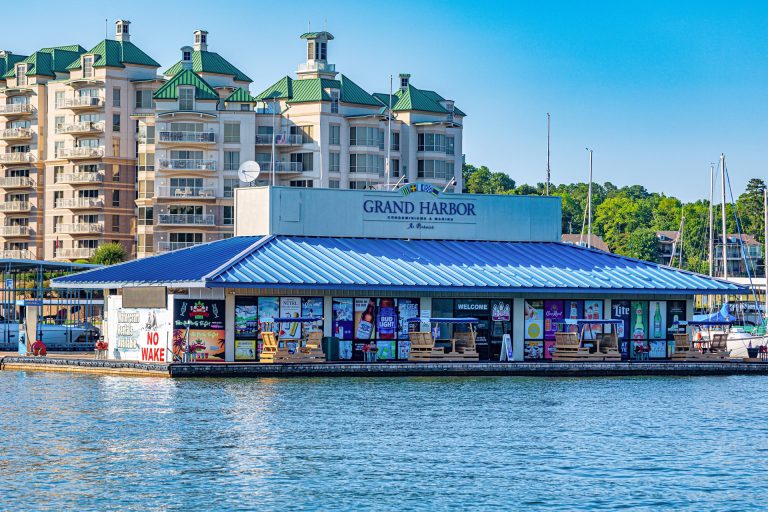
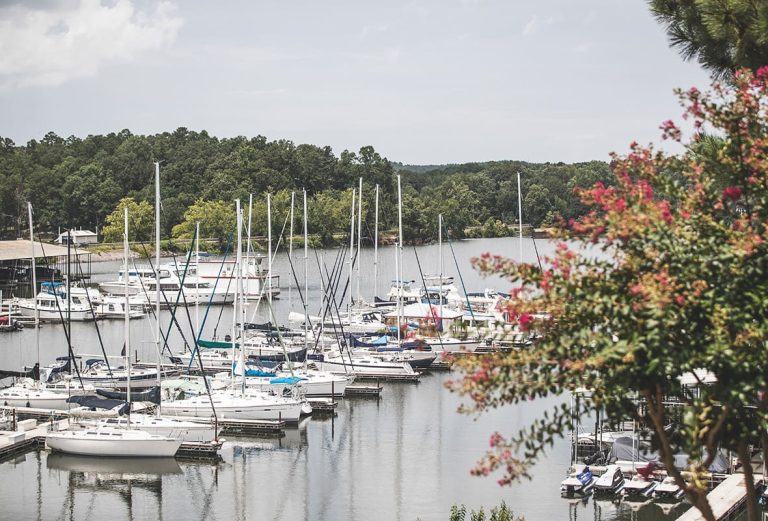
Marinas on Pickwick Lake

Nearby lakes
Frequently Asked Questions
Ready to dive into what Pickwick Lake has to offer? Let’s tackle some of the burning questions you might have as you plan your visit!
-
Yes, there are safety precautions to take when swimming in Pickwick Lake. Swimming in lakes is more dangerous than in pools due to hidden dangers like sudden drop-offs and vegetation that can tangle your feet. Always use the buddy system, enter the water feet first, and be aware of other water activities, especially motor boats.
-
Pickwick Lake is a popular destination because of its exceptional fishing and boating opportunities. The lake, impounded by the Pickwick Landing TVA Dam, offers a large 43,100-acre area for water sports and is also known for its great birding and nature walks in the surrounding state park.
-
For Pickwick Lake, the daily creel limits and size restrictions are as follows: Black Bass (largemouth, spotted, smallmouth) have a 15-inch minimum length limit and a daily limit of 5 in combination. Catfish have no limit under 34 inches but only one over 34 inches can be harvested per day. Crappie have a 10-inch minimum length limit and a daily limit of 30 in combination. Paddlefish can be harvested from April 24 to May 31 with a daily limit of 2 fish and no size limit.
-
The beaches at Pickwick Landing State Park are best for families. These beaches offer swimming, building sandcastles, and sunbathing, along with nearby picnic areas and playgrounds that are suitable for kids. The park also has a swimming pool and hiking trails, making it a comprehensive family-friendly destination.
-
Towns near Pickwick Lake include Saltillo, Sardis, and Savannah in Hardin County, Tennessee, as well as Counce, an unincorporated community in the same county. Other nearby towns are Lawrenceburg and Bath Springs in Tennessee, and Florence in Alabama. These towns are situated around the lake’s 45-mile stretch along the Tennessee River.