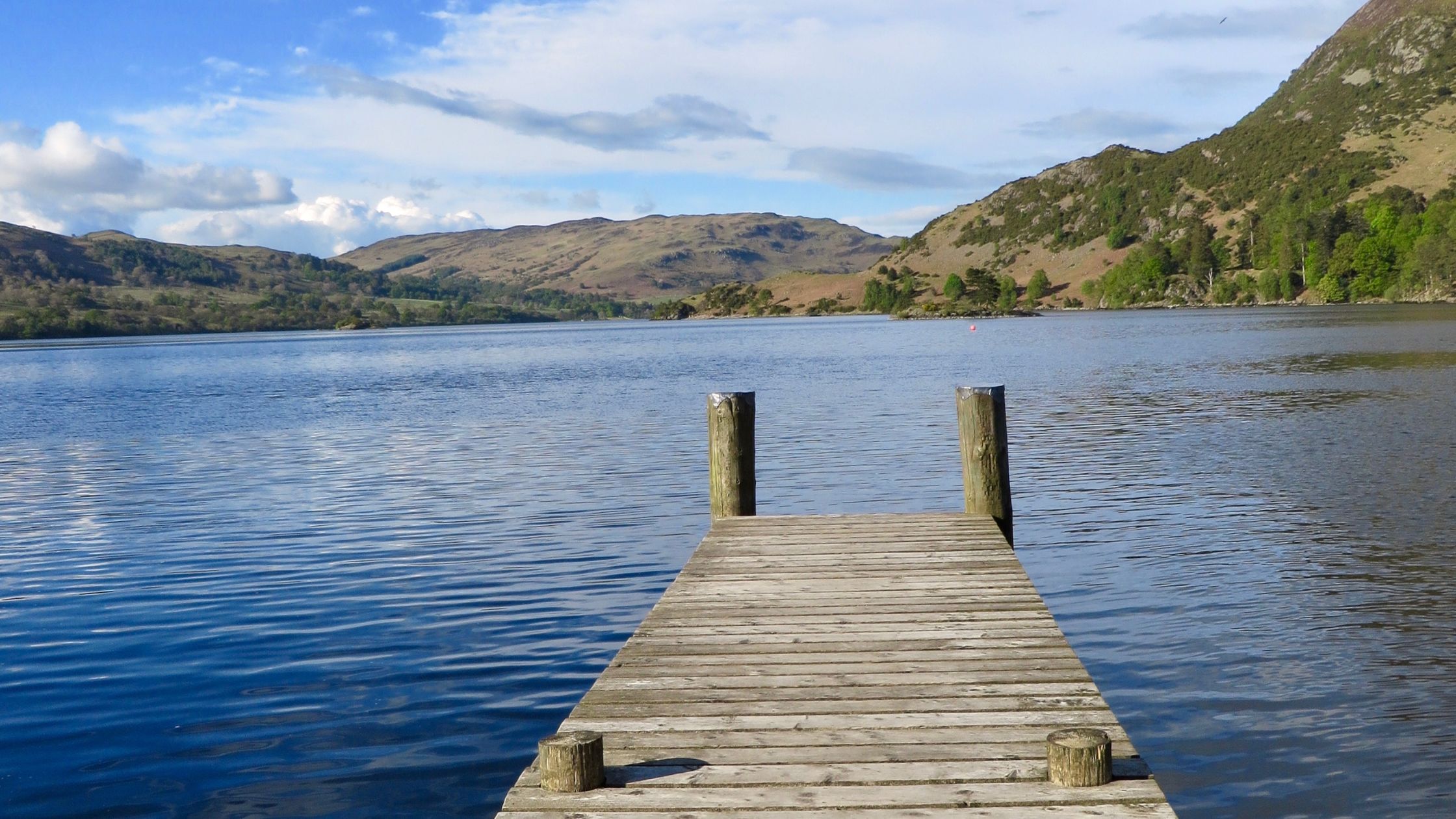
Colorado's Most Beautiful Fly Fishing River Valley
Why Rent On Roaring Fork River
The Roaring Fork River drops from Independence Pass at 12,095 feet, slices through Aspen, and meets the Colorado River at Glenwood Springs, creating a valley corridor of such concentrated natural beauty, cultural richness, and outdoor recreation quality that it consistently ranks among the finest river destinations in the American West. Designated Gold Medal Waters for much of its length, the Roaring Fork holds abundant rainbow and brown trout in its upper reaches, while spring snowmelt transforms it into a whitewater destination with Class III-IV rapids that draw kayakers and rafters from across the country.
Aspen and Basalt Vacation Rentals Along the River
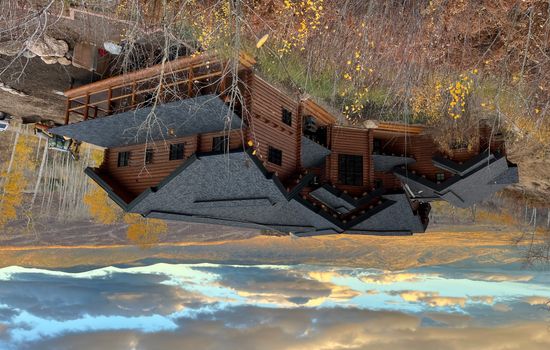
The Roaring Fork Valley has one of the most sophisticated and most varied vacation rental markets in Colorado, with properties ranging from rustic riverside cabins in Basalt and El Jebel to luxury mountain homes in Old Snowmass with direct valley and river views. A rental along the Roaring Fork gives your family a full kitchen, multiple bedrooms, and the kind of mountain valley setting that makes every evening feel deeply earned. Staying in Basalt or Carbondale offers better value than Aspen proper while keeping the Gold Medal fishing waters, the Rio Grande Trail, and the valley’s extraordinary amenities equally accessible.
Fly Fish the Gold Medal Waters, Then Raft the Canyon
The stretch of the Roaring Fork from Aspen downstream through Carbondale to Glenwood Springs is some of the finest public fly fishing in Colorado, with riffle-and-pool sequences that hold large, wary trout in numbers that reward patient, skilled presentation. Several outfitters in Basalt and Aspen offer guided wade and drift boat fishing for guests who want expert local knowledge. During high water in May and June, the same river transforms into a whitewater playground, with Slaughterhouse Falls below Aspen and the lower canyon offering challenging rapids for experienced paddlers.
The Rio Grande Trail for Cyclists and Walkers
The Rio Grande Trail, a multi-use paved path that parallels the Roaring Fork River through the heart of the valley, connects Aspen to Glenwood Springs through 42 miles of some of the most scenic cycling terrain in Colorado. Families with young cyclists, parents pushing strollers, and serious road cyclists all find their appropriate section of the trail, and the riverside scenery through the canyon sections is extraordinary. Woody Creek Tavern, made famous by its decades as Hunter S. Thompson’s local, remains a beloved stop for lunch or dinner on any river exploration day.
Aspen’s Culture, Glenwood’s Hot Springs
The Roaring Fork Valley’s cultural bookends are exceptional. Aspen offers the Aspen Music Festival, the Wheeler Opera House, the Food and Wine Classic, and retail and dining that reflects genuine global sophistication. Glenwood Springs anchors the lower valley with the world’s largest hot springs pool, Glenwood Caverns Adventure Park, and the dramatic Glenwood Canyon section of Interstate 70 that remains one of America’s most remarkable pieces of highway engineering. A rental cabin along the Roaring Fork gives your family a home base in the middle of all of it.
- Surface area (mi)
- 2340.08
- Elevation (ft)
- 5718.5
Popular activities
- Boating
- Kayaking
- Canoeing
- Fishing
- Hiking
- Cross-country Skiing

Planning a trip?
Tell us about your upcoming trip and how we can help!
Nearby lakes
Frequently Asked Questions
Ready to dive into what Roaring Fork River has to offer? Let’s tackle some of the burning questions you might have as you plan your visit!
-
No, it is not entirely safe to swim in the Roaring Fork River. The river between Difficult and Brush Creeks is listed as impaired waters due to not meeting aquatic life standards, with suspected stressors including stormwater runoff and altered riparian habitats.
-
The Roaring Fork River is a popular destination because it offers abundant recreational opportunities. It is ideal for white water rafting, stand-up paddle boarding, kayaking, and fishing, particularly in its Gold Medal trout waters between Basalt and Glenwood Springs. The river also attracts visitors with its scenic backdrop and diverse wildlife.
-
The Roaring Fork River in Colorado has various fishing regulations. From McFarlane Creek to Upper Woody Creek Bridge, it’s catch and release with artificial flies only. From Upper Woody Creek Bridge to the Colorado River, artificial flies and lures are allowed with a minimum trout size of 16 inches and a limit of 2. Fishing is prohibited near confluences with Four Mile Creek and Three Mile Creek from March 15 to May 15 and October 1 to November 30.
-
There is no traditional dog-friendly beach on the Roaring Fork River, but there are several dog-friendly spots along the river where dogs can swim and play. For example, dogs can splash and swim in the shallow pools formed by the Roaring Fork River near Aspen’s Rio Grande Park and other areas along the river.
-
The towns near the Roaring Fork River are Aspen, Snowmass Village, Basalt, Carbondale, and Glenwood Springs. These towns are located within the Roaring Fork Valley, which is defined by the Roaring Fork River and its tributaries. The valley is a significant geographical region in western Colorado.