Explore breathtaking landscapes and diverse wildlife in Florida's hidden natural gem.
Explore breathtaking landscapes and diverse wildlife in Florida's hidden natural gem.
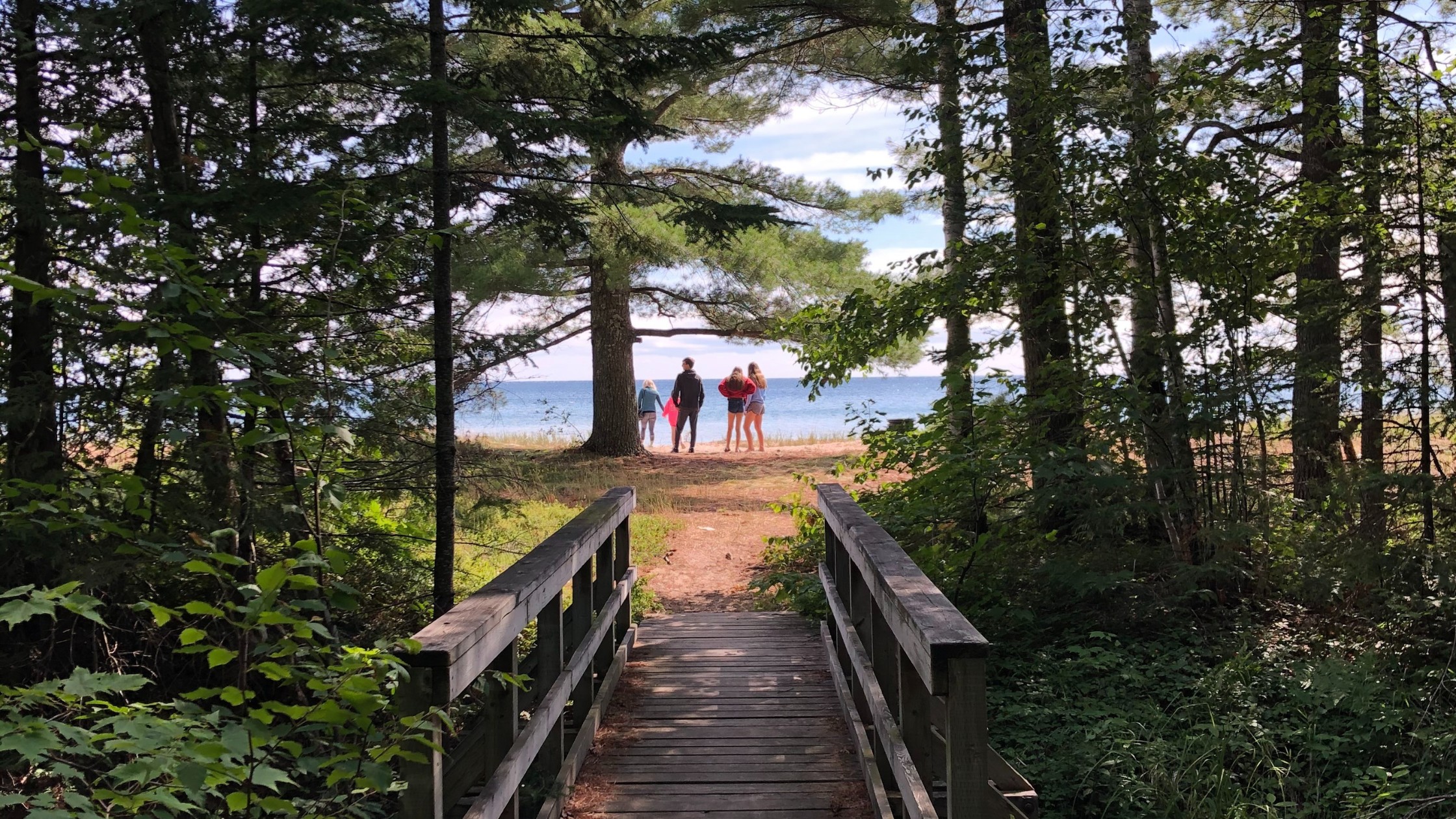
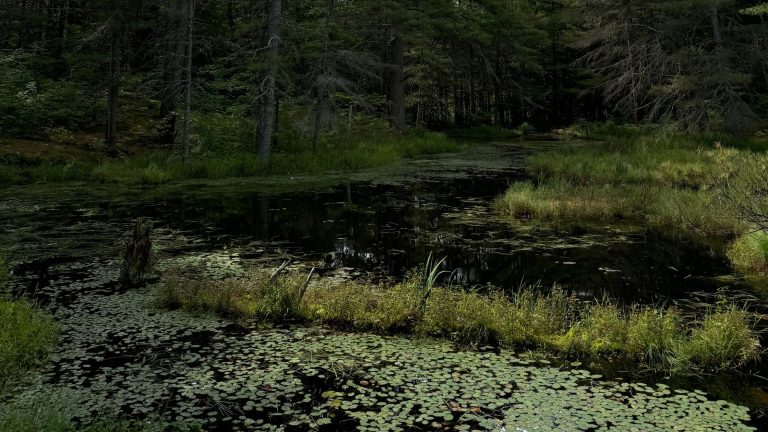
The Apalachicola River Wildlife and Environmental Area in Florida offers an enchanting escape into a world where nature thrives in its most pristine form. Spanning over 50,000 acres, this expansive sanctuary invites outdoor enthusiasts and tranquility seekers alike to explore its diverse ecosystems. Towering pines, lush wetlands, and winding waterways create a captivating backdrop for unforgettable adventures.
Visitors can embark on a journey through rich landscapes, where the gentle flow of the Apalachicola River harmonizes with the rustling leaves. Birdwatchers will find themselves in paradise, as the area is home to a myriad of avian species, including herons and eagles. Kayaking along the river reveals hidden corners teeming with wildlife, offering a unique vantage point to witness nature’s beauty up close.
As the sun sets, the area transforms into a serene haven, with the sounds of chirping crickets and croaking frogs filling the air. The Apalachicola River Wildlife and Environmental Area is not just a destination; it’s a celebration of Florida’s natural heritage, inviting all to immerse themselves in its breathtaking splendor.
Seasons
Spring’s mild temperatures and vibrant wildflowers make it the perfect season to explore this expansive floodplain forest, offering unparalleled birdwatching, paddling, and hiking experiences.
Summer’s sultry embrace transforms the Apalachicola River into a haven for anglers, paddlers, and wildlife enthusiasts, offering unparalleled opportunities to immerse in its rich biodiversity and serene landscapes.
In fall, the area offers pleasant temperatures and fewer insects, ideal for paddling, hiking, and wildlife viewing, with migratory birds and diverse flora enhancing the experience.
Winter’s mild temperatures and reduced crowds make December through February ideal for exploring the Apalachicola River’s diverse habitats, abundant wildlife, and tranquil paddling trails.
Top 3 Facts about Apalachicola River Wildlife and Environmental Area
The Apalachicola River area is home to rare species like the Florida panther and the Eastern indigo snake, and during migration seasons, birdwatchers can witness unusual flocks of migratory birds, including the striking painted bunting, making it a unique hotspot for wildlife enthusiasts.
In this region, unique microclimates create diverse ecosystems, allowing subtropical species to thrive alongside temperate ones, while extreme temperature variations can occur due to the area’s geography, resulting in unexpected weather phenomena such as sudden storms that dramatically alter the landscape and wildlife behavior.
Known for its diverse wildlife, this area features trails with quirky names like “Cypress Swamp Shuffle” and “Gopher Tortoise Trail,” while unusual rules prohibit metal detecting and the use of drones, ensuring a serene environment for nature enthusiasts and outdoor sports aficionados.
Travel Tips
Plan Ahead
When venturing into this picturesque Florida destination, planning ahead is essential for a seamless experience. Pack essentials like water, sunscreen, and insect repellent, and consider visiting during cooler months for optimal wildlife viewing. Familiarize yourself with the area’s trails and waterways to maximize your adventure, ensuring a memorable exploration of its stunning landscapes and diverse ecosystems.
Pack Appropriately
When visiting this stunning Florida destination, pack a lightweight, breathable insect repellent and a pair of waterproof shoes. The area’s diverse wetlands can lead to unexpected encounters with mosquitoes and muddy trails, so being prepared ensures you can fully enjoy the rich wildlife and lush surroundings without discomfort.
Respect Wildlife
When exploring this beautiful region, prioritize wildlife respect by observing animals from a distance and refraining from feeding them. Stay on designated trails to protect their habitats and avoid disturbing nesting sites. Bring binoculars for a closer look at the diverse bird species and other wildlife, ensuring your experience is both enjoyable and environmentally responsible.
Stay Informed
Before visiting, check the weather forecast, temperatures, and any fire bans or notices in the area. Make sure to inform someone about your plans, including your destination and expected return time, and have emergency contact information readily available to ensure a safe and enjoyable trip.
Accessibility & permits
Emergency

Planning a trip?
Tell us about your upcoming trip and how we can help!
Frequently Asked Questions
Ready to dive into what Apalachicola River Wildlife and Environmental Area has to offer? Let’s tackle some of the burning questions you might have as you plan your visit!
-
The Apalachicola River Wildlife and Environmental Area offers a variety of activities including hiking, fishing, kayaking, and wildlife observation. The area features numerous trails and waterways that allow visitors to explore the diverse ecosystems and enjoy the scenic beauty of the Apalachicola River.
-
Wildlife species commonly found in the area include alligators, deer, wild turkeys, and a variety of bird species such as eagles and herons. The rich biodiversity makes it a prime location for nature enthusiasts and photographers.
-
Yes, there are camping facilities within the wildlife area. Visitors can find designated camping sites equipped with basic amenities, providing a great opportunity for outdoor enthusiasts to immerse themselves in nature.
-
The best time to visit for bird watching is during the spring and fall migration seasons, typically from March to May and September to November. During these times, a wide variety of migratory birds can be spotted, making it ideal for birdwatchers.
-
Yes, guided tours are available for visitors interested in learning more about the Apalachicola River Wildlife and Environmental Area. These tours often include expert guides who provide insights into the local flora and fauna, enhancing the overall experience.