Discover a hidden gem of biodiversity and serene landscapes in Florida's untouched wilderness.
Discover a hidden gem of biodiversity and serene landscapes in Florida's untouched wilderness.
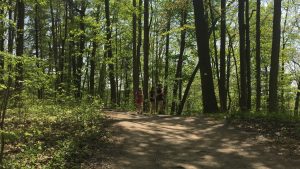
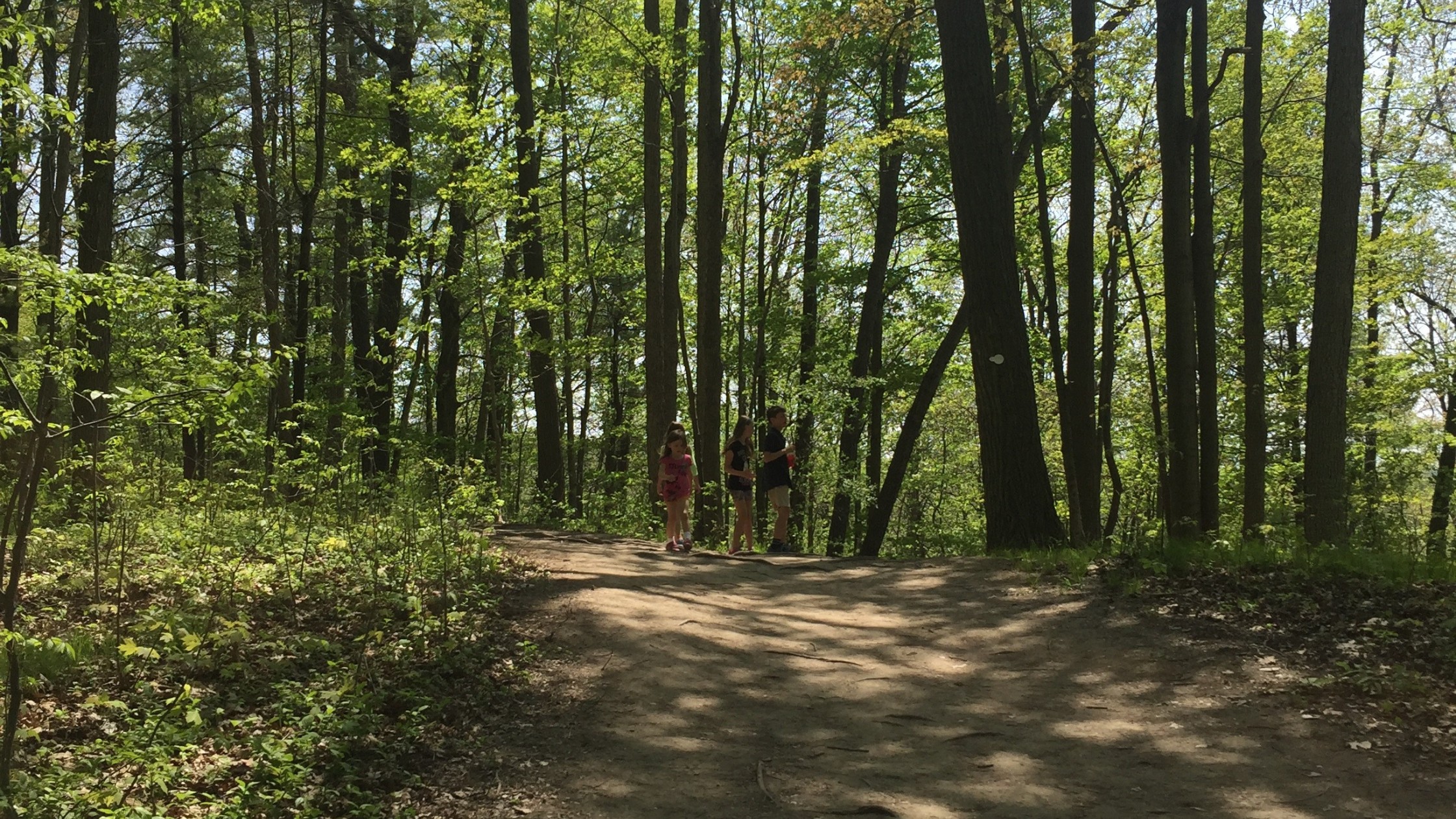
In the heart of Florida’s Panhandle lies the Apalachicola Wildlife Management Area, a pristine expanse that beckons nature enthusiasts and adventure seekers alike. This sprawling 570,000-acre sanctuary offers a diverse tapestry of landscapes, from lush wetlands to towering pine forests, creating an ideal habitat for an array of wildlife. Visitors can embark on hiking trails that meander through the verdant scenery, providing glimpses of deer, wild turkeys, and the occasional bald eagle soaring overhead.
The area serves as a vital ecological corridor, connecting the Apalachicola River to the Gulf of Mexico. Anglers will find their paradise here, with the river’s waters teeming with fish, while kayakers can glide along its serene currents, immersing themselves in the tranquility of nature. Birdwatchers are treated to a spectacle of migratory species, making each visit a unique experience.
As the sun sets, the Apalachicola Wildlife Management Area transforms into a realm of enchanting beauty. The vibrant hues of dusk reflect off the water, creating a picturesque backdrop for a perfect getaway. Whether seeking solitude or adventure, this hidden gem promises an unforgettable escape into Florida’s natural wonders.
Seasons
In spring, the area transforms into a vibrant tapestry of blooming wildflowers and migratory birds, offering unparalleled opportunities for wildlife viewing, hiking, and paddling amidst pleasant temperatures.
Summer’s sultry embrace transforms this Florida haven into a sanctuary for anglers, paddlers, and wildlife enthusiasts, offering unparalleled opportunities to immerse in its rich biodiversity.
In fall, the area offers pleasant temperatures and abundant wildlife, making September through November ideal for hiking, paddling, and birdwatching.
Winter’s mild temperatures and abundant wildlife make December through February the ideal time to explore this expansive Florida wilderness, offering unparalleled opportunities for hunting, fishing, and birdwatching.
Top 3 Facts about Apalachicola Wildlife Management Area
During migration seasons, this area becomes a hotspot for unusual bird sightings, including rare species like the Swallow-tailed Kite, which can be spotted soaring above the wetlands, showcasing the region’s unique biodiversity and providing vital habitats for both migratory and endemic wildlife.
In Florida’s unique ecosystem, extreme temperature variations can create microclimates where certain species thrive, while sudden storm events can lead to fascinating phenomena like tree falls and unusual wildlife behavior, showcasing the intricate relationships between weather patterns and local biodiversity.
Known for its unique trails like “The Swamp Stomp” and unusual rules banning motorized vehicles, this area also holds records for the largest deer harvested in the region, making it a prime destination for outdoor enthusiasts seeking both adventure and a touch of the bizarre.
Travel Tips
Plan Ahead
Planning ahead is essential for a successful visit to this stunning wildlife haven. Research seasonal activities, pack appropriate gear for hiking or birdwatching, and consider the weather forecast. Arriving early not only helps you secure prime viewing spots but also allows you to fully immerse yourself in the serene beauty of the natural surroundings, making your experience truly unforgettable.
Pack Appropriately
When preparing for your trip to this stunning coastal region, pack a pair of knee-high waterproof boots. The area features a mix of wetlands and trails that can become muddy, especially after rain. Having the right footwear allows you to explore with ease, ensuring you don’t miss out on the diverse wildlife and breathtaking scenery.
Respect Wildlife
When exploring this stunning natural habitat, always maintain a respectful distance from wildlife. Avoid feeding animals, as it disrupts their natural foraging behavior and can lead to dependency on humans. Keep noise levels low to minimize stress on the creatures that call this area home. By observing these simple guidelines, you contribute to the preservation of the delicate ecosystem.
Stay Informed
Before your visit, stay informed by checking the weather, temperatures, and any fire bans or notices. Know the emergency contact information and ensure someone is aware of your destination and expected return time. Being prepared enhances your experience and ensures safety during your outdoor adventure.
Accessibility & permits
Emergency

Planning a trip?
Tell us about your upcoming trip and how we can help!
Frequently Asked Questions
Ready to dive into what Apalachicola Wildlife Management Area has to offer? Let’s tackle some of the burning questions you might have as you plan your visit!
-
Apalachicola WMA offers a variety of outdoor activities including hiking, birdwatching, and wildlife observation, providing a great opportunity to explore the diverse ecosystems of the area.
-
Yes, Apalachicola WMA has designated camping facilities available for visitors, allowing for a rustic outdoor experience amidst nature. Campsites are typically primitive, so be prepared for basic amenities.
-
The area is home to a rich variety of wildlife, including white-tailed deer, wild turkey, and numerous bird species, making it a prime location for wildlife enthusiasts and photographers.
-
The best time to visit Apalachicola WMA is during the fall and spring months when temperatures are mild, and wildlife activity is high, offering optimal conditions for outdoor exploration.
-
Yes, fishing opportunities are available in Apalachicola WMA, particularly in the rivers and streams, where anglers can catch species like bass and catfish, providing a rewarding experience for fishing enthusiasts.