Wild Horses, Ocean Beaches, and Coastal Wildlife Year-Round





Wild Horses, Ocean Beaches, and Coastal Wildlife Year-Round
Pull into Assateague State Park on any given morning and there is a reasonable chance a wild horse will be standing in the campground. These are not tame animals. They are feral ponies that have roamed the Maryland section of Assateague Island for centuries, foraging on cordgrass, bayberry twigs, and dune vegetation, indifferent to the steady stream of visitors who have come specifically to see them. That combination of wildness and immediate access is what makes Assateague one of the most distinctive parks on the East Coast.
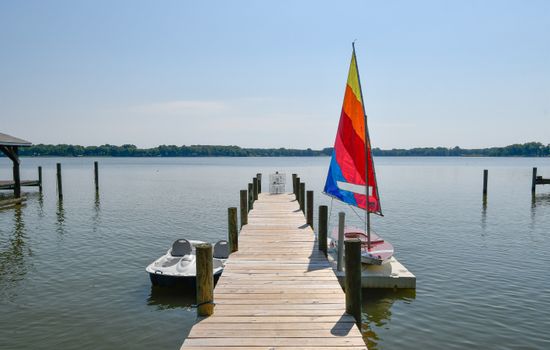
Maryland’s only oceanfront state park occupies 855 acres on the northern end of Assateague Island, a narrow barrier island about 10 miles south of Ocean City. Two miles of Atlantic-facing beach offer swimming, surfing, beachcombing, and surf fishing, with lifeguarded areas from Memorial Day through Labor Day. On the bayside, Sinepuxent Bay opens for kayaking and canoeing, with sheltered coves accessible by paddleboard as well. The island sits along a major Atlantic Flyway migration corridor, and birders regularly document more than 200 species including ospreys, great blue herons, piping plovers, snowy egrets, and large winter flocks of snow geese.
Families with children tend to love Assateague for its combination of beach freedom and genuine wildlife encounters. The horses are the obvious draw, but sika deer, red foxes, ghost crabs, and horseshoe crabs add to the island’s sense of living, breathing ecology. Be aware: the horses can kick and bite, will raid unsecured food, and require a minimum distance of 40 feet at all times. Feeding them is strictly prohibited and can make the animals dangerous.
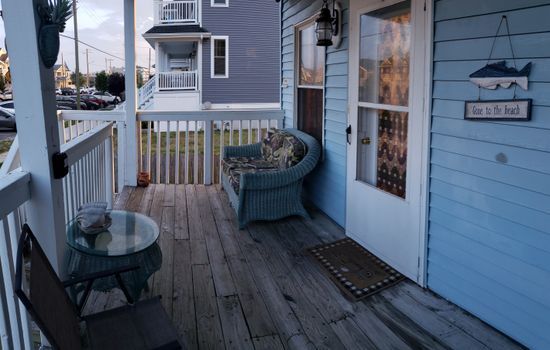
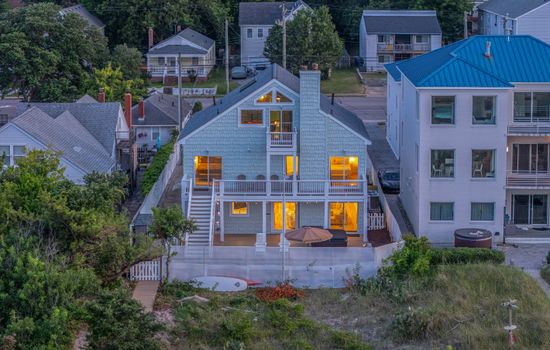
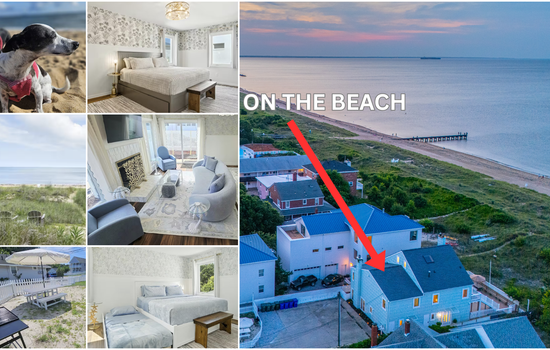
Pet-first travelers will find that leashed dogs are permitted in many areas of the state park, though visitors should confirm current rules with Maryland DNR before arriving, as pet policies can vary by season and location. Ocean City, just across the bridge and a short drive north, offers a wide range of pet-friendly vacation rentals, waterfront condos, and cozy cottages with enough bedrooms and kitchen space for families and larger groups. A hot tub and ocean views after a full day on the beach makes the trip feel genuinely relaxing.
Summer brings the highest crowds, the best swimming, and the most intense mosquitoes, particularly on the bayside at dusk. Late September through November is widely considered the finest time to visit: comfortable temperatures, minimal insects, and active wildlife moving through the island’s corridors. Campsite reservations fill well in advance for summer weekends.
Book your vacation rental near Assateague State Park and plan for one of Maryland’s most rewarding coastal experiences.
Seasons
In spring, the park’s two miles of pristine beaches and diverse wildlife offer a tranquil retreat, with blooming wildflowers and migratory birds enhancing the natural beauty.
Summer’s warm temperatures and abundant sunshine make it ideal for beach activities, wildlife viewing, and exploring the island’s natural beauty.
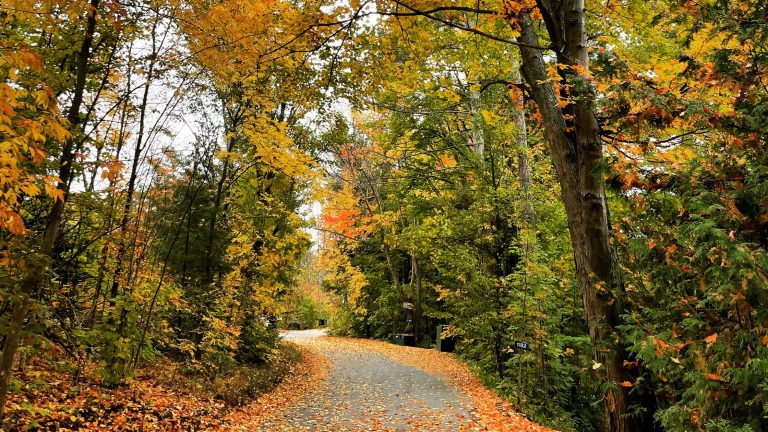
In fall, the park offers cooler temperatures, fewer crowds, and vibrant foliage, making September through November ideal for wildlife viewing, beach activities, and camping.
Experience the serene beauty of Maryland’s barrier island in winter, where uncrowded beaches, abundant wildlife, and crisp air offer a refreshing escape from the ordinary.
Top 3 Facts about Assateague State Park
Assateague State Park is Maryland’s only oceanfront state park, covering 855 acres on the northern end of Assateague Island. The park is surrounded on both its north and south sides by Assateague Island National Seashore, creating a continuous 37-mile-long protected barrier island corridor along the Atlantic coast.
The wild horses of Assateague Island are feral ponies that roam freely across both the state park and the national seashore. The Maryland herd numbers approximately 85 horses and is managed jointly by Maryland DNR and the National Park Service. The horses are descended from ancestors that have lived on the island for centuries.
Assateague Island lies along the Atlantic Flyway, one of North America’s major bird migration corridors. More than 320 bird species have been documented on the island, including piping plovers, ospreys, peregrine falcons, and large winter flocks of snow geese, making it one of the Mid-Atlantic’s premier birding destinations.
Travel Tips
Plan Ahead
Campsite reservations at Assateague State Park fill months ahead for summer and holiday weekends. Reserve early at reservations.maryland.gov. Arrive via Maryland Route 611 over the Verrazano Bridge. Day-use parking fills by mid-morning on peak summer days. Check current beach conditions and seasonal programs with Maryland DNR at dnr.maryland.gov/publiclands before visiting.
Pack Appropriately
Bring heavy-duty insect repellent, especially for bayside activities during summer and early fall when mosquitoes are intense. Sun protection, plenty of water, and sturdy footwear for soft sand are essential. Anglers should carry a valid Maryland fishing license. Beach wheelchairs are available free of charge at the state park for visitors who need mobility assistance.
Respect Wildlife
Wild horses can bite, kick, and charge without warning. Maintain a minimum distance of 40 feet from all horses at all times and never feed them. Secure all food and trash in vehicles or hard-sided containers to prevent horse raids on campsites. Report any injured or distressed wildlife to park rangers. Feeding the horses is strictly prohibited and poses serious safety risks.
Stay Informed
Check current beach and wildlife conditions at Maryland DNR’s Assateague State Park page, dnr.maryland.gov/publiclands, before visiting. Monitor Atlantic weather forecasts as the barrier island is exposed to storms, high surf, and coastal wind. Current horse safety guidelines and seasonal parking updates are posted on the Maryland DNR website.
- Established year
- 1956
Accessibility & permits
Emergency

Planning a trip?
Tell us about your upcoming trip and how we can help!
Frequently Asked Questions
Ready to dive into what Assateague State Park has to offer? Let’s tackle some of the burning questions you might have as you plan your visit!
-
Camping reservation policies at Assateague State Park require visitors to make reservations in advance, especially during peak seasons. Reservations can be made online or by phone, and it’s advisable to book early as sites fill up quickly, particularly from May to October. Campers must check in at the park office upon arrival and adhere to specific check-in and check-out times.
-
To safely observe wild horses in Assateague, maintain a distance of at least 40 feet. Do not feed or approach the horses, as they are wild animals and can be unpredictable. Observing them from a safe distance ensures both your safety and the well-being of the horses.
-
The best seasons to visit Assateague State Park are spring and fall. Spring offers mild temperatures and blooming wildflowers, while fall features beautiful foliage and fewer crowds. Summer is popular but can be hot and busy, and winter is quiet but may have limited services.
-
Pets are allowed in Assateague State Park, but they must be leashed at all times and are not permitted on the beach or in the backcountry areas. Visitors should clean up after their pets and ensure they do not disturb wildlife.
-
The entrance fees for Assateague State Park are $20 per vehicle for a day pass and $10 for pedestrians or cyclists. Annual passes are also available for $40, providing unlimited access to the park for one year.