


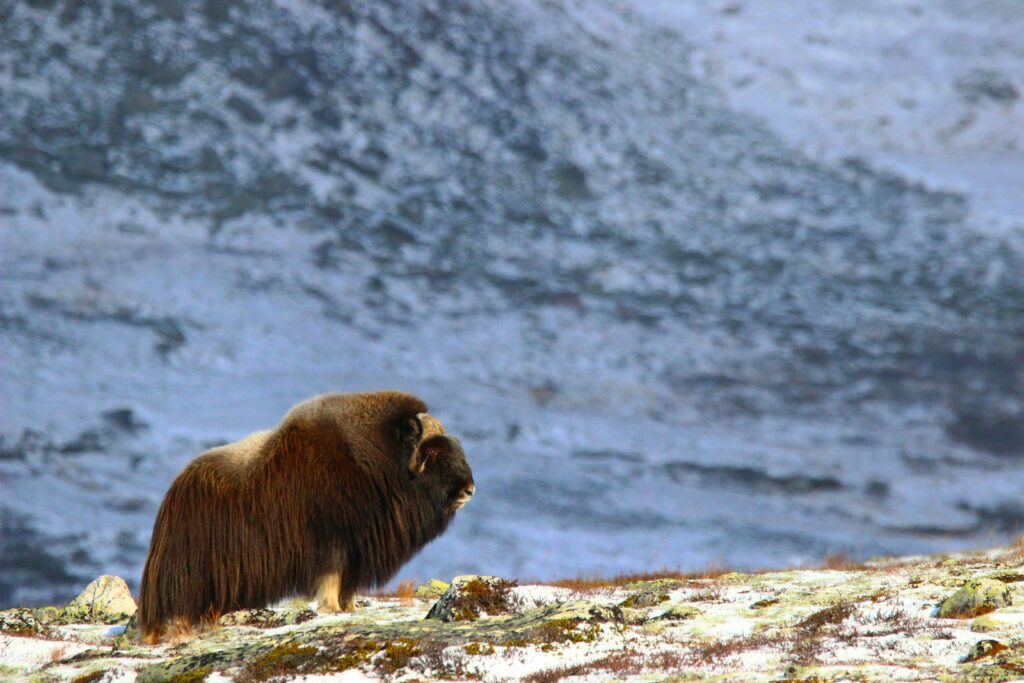
Arctic Tundra, Muskoxen, and the Thomsen River Wilderness
Arctic Tundra, Muskoxen, and the Thomsen River Wilderness
Aulavik National Park sits at the far edge of where most travelers ever venture. Located on the northern end of Banks Island in Canada’s Northwest Territories, this 12,274-square-kilometer park is reachable only by charter aircraft from Inuvik, approximately 750 kilometres to the southwest. There are no roads, no developed trails, and no services inside the park itself. For those willing to take on the logistics, Aulavik delivers an Arctic wilderness experience of a kind that exists almost nowhere else on earth.
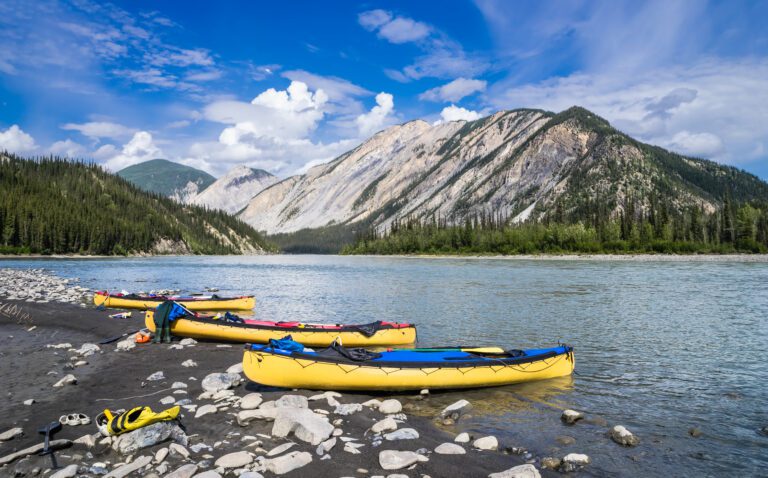
The name Aulavik comes from the Inuvialuktun language and means ‘place where people travel,’ a reference to the long history of Inuvialuit movement across this land. Established in 1992, the park protects a range of Arctic lowland landscapes from fertile river valleys and rolling tundra to polar desert, fossil-rich badlands, and bold seacoast. The centerpiece of any expedition is the Thomsen River, a Canadian Heritage River and one of the most northerly navigable waterways in North America. Multi-day raft or canoe trips along the Thomsen are the primary way to experience the park, drifting past Arctic badlands, peregrine falcon nesting cliffs, and some of the densest concentrations of muskoxen on the planet.
The greater Banks Island population of muskoxen numbers in the tens of thousands, with thousands more estimated to reside within the park. Arctic foxes, Peary caribou, wolves, and migrating Brant geese also inhabit the island. The lower Thomsen River is designated as a migratory bird sanctuary. Peregrine falcons and gyrfalcons nest in the Arctic badlands flanking the western riverbank.
This is not a park for casual day trips or first-time wilderness travelers. All visitors must register with Parks Canada before entering, obtain a permit, and be fully self-sufficient for the duration of their stay. Groups require at least two watercrafts for river travel and must carry satellite communication devices. Weather changes rapidly, and search and rescue response times can range from one to two days or more depending on conditions.
For travelers planning the journey, Inuvik is the essential staging point, roughly 800 kilometres southwest of the park. The town offers hotels, lodges, and some vacation rental options where expedition groups can prepare, rest, and debrief. Spending extra days in Inuvik allows time to connect with local guides, experience Inuvialuit and Gwich’in culture, and decompress after a remote expedition. The Mackenzie Delta region around Inuvik also rewards wildlife-focused travelers with its own remarkable ecosystem.
Contact Parks Canada’s Inuvik office well before your planned trip at 867-777-8800 or [email protected]. Visit parks.canada.ca for current permit requirements, seasonal guidance, and charter flight information. Book your accommodations near Inuvik for your Aulavik National Park expedition.
Seasons
Spring brings the tundra to life with emerging wildflowers and lengthening daylight. It’s still chilly, but arctic hares and foxes may be spotted.
Summer is the ideal time to visit, with nearly 24-hour daylight, blooming flora, abundant muskoxen, and navigable rivers perfect for canoe expeditions.
Fall features crisp air, vibrant tundra colors, and active wildlife preparing for winter, including polar bears and migrating whales.
Winter transforms Aulavik into a polar desert with extreme cold and short daylight. Visitation is rare and limited to well-prepared experts.
Top 3 Facts about Aulavik National Park
Aulavik National Park protects 12,274 square kilometres of Arctic lowlands on the northern end of Banks Island, one of the most isolated parks in North America. The park is accessible only by charter aircraft from Inuvik, approximately 750 kilometres to the southwest, with no roads, trails, or facilities inside its boundaries.
The Thomsen River runs the full length of the park and is one of the most northerly navigable rivers in North America. It is designated a Canadian Heritage River. The Thomsen River valley has the highest concentration of muskoxen on earth, with thousands of the animals grazing its tundra wetlands.
Archaeological sites within Aulavik include fossil beds containing plants and trees from more than 65 million years ago. The park also holds evidence of human occupation dating back 3,400 years, reflecting the Inuvialuit’s long history of travel and habitation across the Banks Island tundra.
Travel Tips
Plan Ahead
All visitors must register with Parks Canada and obtain permits before entering. Contact the Inuvik office at 867-777-8800 or [email protected] well in advance. Plan fully self-sufficient expeditions with satellite communication, emergency supplies, and bear safety equipment. Charter flights from Inuvik require advance booking. Search and rescue response times can range from one to two days or more depending on weather.
Pack Appropriately
Pack for full Arctic expedition conditions including waterproof layers, wool or synthetic base layers, rain gear, and sleeping equipment rated for near-freezing temperatures. Bring a satellite communication device, comprehensive first-aid kit, bear deterrents, and sufficient food and water treatment for the entire trip. No supplies are available inside the park.
Respect Wildlife
Muskoxen are large and powerful animals that can charge without warning. Maintain a safe distance of at least 100 metres and never corner or approach them. Polar bears may be present near the coast. Carry bear deterrents at all times, travel in groups, and make noise to avoid surprising wildlife. Never leave food unattended in the open tundra.
Stay Informed
Register your trip itinerary with Parks Canada before entering and file detailed emergency contacts. Monitor Environment Canada weather forecasts for Banks Island and the Northwest Territories throughout your trip. Contact Parks Canada Inuvik at 867-777-8800 for current conditions, permit requirements, and any active park closures. Ice conditions on the Thomsen River vary significantly by year.
- Area (km²)
- 7628.27
- Established year
- 1992
Accessibility & permits
Emergency

Planning a trip?
Tell us about your upcoming trip and how we can help!
Nearby parks
Frequently Asked Questions
Ready to dive into what Aulavik National Park has to offer? Let’s tackle some of the burning questions you might have as you plan your visit!
-
The closest city to Aulavik National Park is Sachs Harbour, but it is more practical to consider Yellowknife or Inuvik due to their larger size and more accessible amenities. Inuvik is particularly relevant as it serves as a base for charter planes to the park.
-
There are no designated trails in Aulavik National Park, but the terrain is gentle enough for hiking almost anywhere. Hikers can explore the low arctic tundra, particularly along the Thomsen River corridor, which is known for its easy terrain and abundant wildlife. No specific easy trail is marked, but the overall landscape allows for relatively easy hiking.
-
Yes, you must keep your dog on a leash that is 3 metres or less in length at all times. This is to protect wildlife, your dog, and the public. It is also the law.
-
There is no parking available for vehicles like camper vans, motorhomes, or trailers because the park is accessible only by chartered airplanes or, in some cases, by boat. Visitors cannot drive to the park.
-
The best time to visit is during the summer months, from mid-June to late August, when temperatures are milder, wildlife is more active, and there is nearly 24 hours of sunlight. This period allows for ample time for exploration and activities like paddling and fishing on the Thomsen River. Temperatures in July range from lows of 2.8°C to highs of 9.6°C.