

Rio Grande Canyons, Chisos Mountain Trails, and World-Class Dark Skies
Rio Grande Canyons, Chisos Mountain Trails, and World-Class Dark Skies
In a remote bend of the Rio Grande along the Texas-Mexico border, Big Bend National Park unfolds across 801,163 acres of Chihuahuan Desert, river canyon, and mountain wilderness that most travelers have never seen and almost no one forgets. The first national park in Texas, established in 1944, Big Bend protects three distinct ecosystems in a single landscape: the rolling desert floor of the Chihuahuan, the cottonwood-lined banks of the Rio Grande, and the high Chisos Mountains, the only mountain range in the United States entirely contained within a national park’s boundaries. Emory Peak, the Chisos high point, reaches 7,825 feet, roughly 6,000 feet above the desert lowlands visible just miles away.
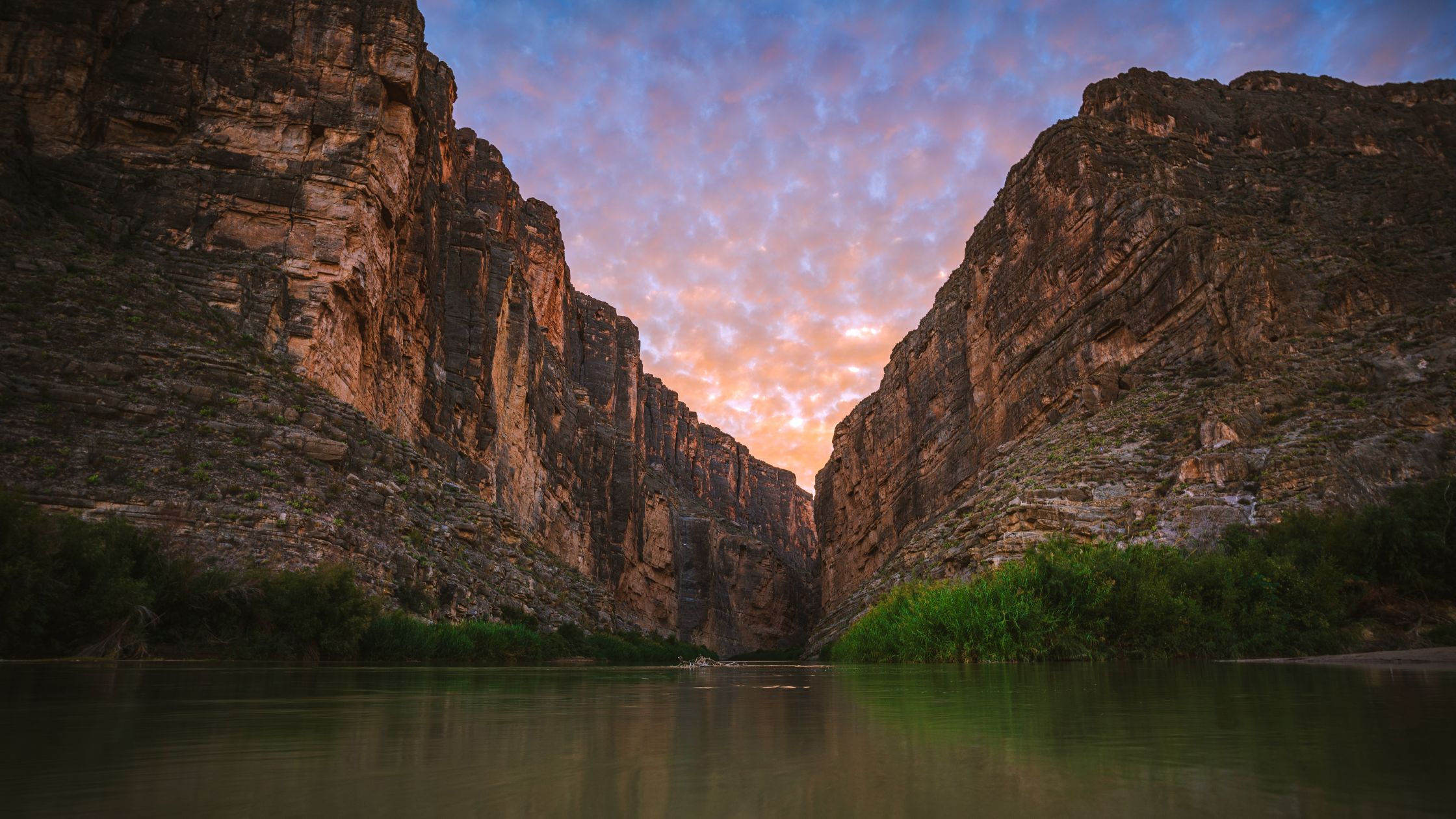
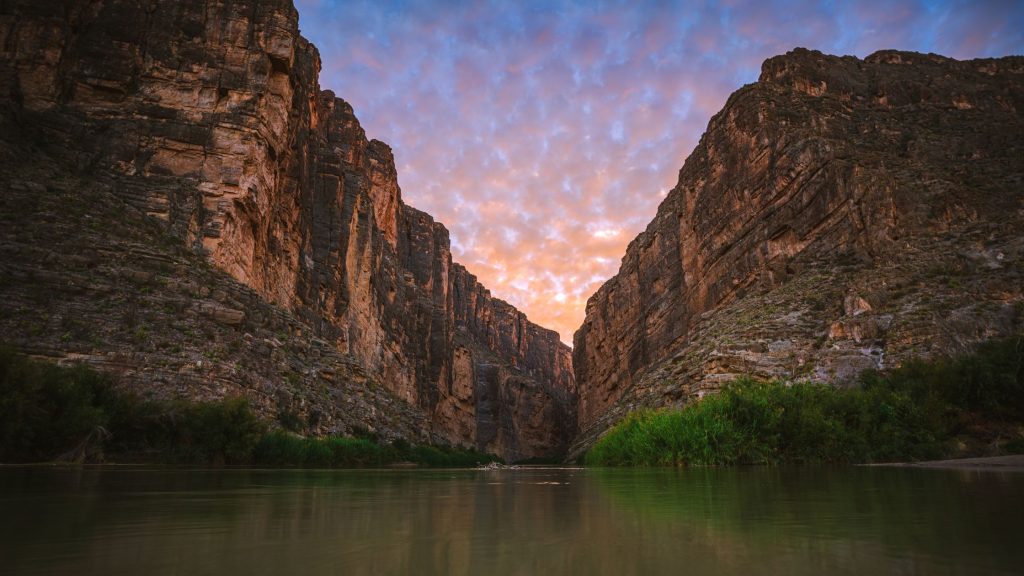
The park’s scale rewards patient exploration more than quick check-the-box visiting. Five paved roads thread through the interior, but the best views come from the backcountry. Santa Elena Canyon, where the Rio Grande has carved a 1,500-foot sheer-walled gorge through the Mesa de Anguila, is one of the most dramatic river landscapes in North America and accessible by a short trail from the Castolon area. The Lost Mine Trail, a five-mile round trip from the Chisos Basin, gains 1,100 feet and delivers sweeping views that regularly appear in national park photography guides. The South Rim Trail, a strenuous 12.5-mile loop through the Chisos highlands, passes grasslands, volcanic spires, and views into northern Mexico that make it one of the finest full-day hikes in Texas. Float trips by kayak, canoe, or raft through Santa Elena, Mariscal, and Boquillas canyons put the Rio Grande’s Wild and Scenic River designation in direct, water-level perspective.
More than 450 species of birds have been recorded in the park, more than any other national park in the United States. Birdwatchers specifically plan spring and fall migrations around Big Bend visits. Mountain lions, black bears, mule deer, javelinas, and 56 species of reptiles round out a wildlife roster that consistently surprises first-time visitors expecting only empty desert.
The park suits experienced outdoor travelers, photographers, and birders most naturally. Families with older children who are prepared for remote, warm-weather conditions will find Big Bend deeply rewarding. Multi-generational groups who enjoy scenic driving, short canyon walks, and evening stargazing can accomplish a satisfying visit without major physical exertion. The park was designated an International Dark Sky Park in 2012; on clear nights, the absence of light pollution produces a night sky that travelers routinely describe as transformative.
The gateway towns of Study Butte/Terlingua and Marathon, roughly an hour from the park’s western and northern entrances respectively, offer the closest accommodation outside the park. Cozy cabins and vacation homes with stunning desert views and outdoor gathering spaces allow groups to relax and cook together after full days in the field. Properties with fire pits and open-air porches capture the expansive Big Bend night sky. Book your accommodations near Big Bend National Park through Lake.com.
Seasons
Spring brings warm days and cool nights, with temperatures ranging from 55°F to 88°F. April showers are light, making it ideal for hiking and scenic drives. Attend the annual Rio Grande Village Nature Festival in April to immerse in nature and culture. Perfect for outdoor enthusiasts.
Summer in the desert: temperatures soar to 100°F, but fewer crowds and star-filled nights make it ideal. Enjoy the Viva Big Bend music festival in July or outdoor theater productions under the stars. Bring sunscreen and plenty of water.
In the fall, from September to November, enjoy pleasantly warm temperatures (56-85°F) and breezy weather. Join guided hikes and evening programs, or stargaze under clear skies. No specific annual events are scheduled during this season, but the scenic beauty and outdoor activities make it an ideal time to visit.
Visit from December to February for mild winters with daytime highs in the 60s-70s°F and clear skies, despite occasional cold snaps and chilly nights. Ideal for a serene, breezy escape.
Top 3 Facts about Big Bend National Park
Big Bend National Park encompasses 801,163 acres in Brewster County, Texas, making it one of the largest national parks in the contiguous United States. It is the only national park in the country to contain a complete mountain range within its boundaries: the Chisos Mountains, whose highest point at Emory Peak reaches 7,825 feet. The park also administers 118 miles of the Rio Grande, designated a Wild and Scenic River by Congress in 1978.
Big Bend has recorded more than 450 species of birds, more than any other national park in the United States. The park is a UNESCO Biosphere Reserve and a Globally Important Bird Area, positioned in a migratory corridor that draws species from both North American flyways. More than 1,200 plant species, including 60 types of cactus, 56 species of reptiles, and 75 species of mammals also inhabit the park’s three distinct ecosystems.
Big Bend National Park was designated an International Dark Sky Park by the International Dark-Sky Association in 2012, one of the largest protected dark-sky areas in the lower 48 states. On clear nights, the park delivers some of the darkest skies in North America, with Milky Way visibility that frequently overwhelms visitors accustomed to urban or suburban night skies. The remoteness that limits Big Bend’s visitation also preserves its exceptional astronomical conditions.
Family programs
- Junior Ranger
- Ranger-led Tours
- Night Sky & Astronomy
- Family Camping & Overnight
Travel Tips
Plan Ahead
Big Bend is one of the most remote national parks in the contiguous United States; the nearest large city, Midland, is more than three hours away. Fuel up before entering the park, carry more water than you think you need, and have a contingency plan for vehicle trouble. Campground and lodging reservations at Chisos Mountains Lodge and park campgrounds should be made through recreation.gov months in advance for the busy October through April season. Parking at popular trailheads fills by mid-morning on peak days. Check nps.gov/bibe for current conditions, road status, and backcountry permit requirements.
Pack Appropriately
Carry a minimum of one gallon of water per person per day for desert hiking, more in extreme heat. Never hike in the desert without a full water supply. Sun protection is critical at every elevation; wear a wide-brim hat, UV-blocking sunglasses, and high-SPF sunscreen. Pack sturdy hiking boots for rocky mountain trails. In winter, temperatures at higher elevations can drop below freezing; bring layering options regardless of the season. A paper map or downloaded offline map is essential, as cell service is extremely limited throughout the park.
Respect Wildlife
Black bears inhabit the Chisos Mountains and surrounding areas. Never approach, feed, or attempt to photograph bears at close range. Store all food, trash, and scented items in bear-resistant containers or bear boxes at all campsites. Mountain lions are present; hike with others and never approach a mountain lion. Javelinas travel in groups and can be aggressive if they feel cornered; give them space. Venomous snakes including western diamondback rattlesnakes are present at all elevations; watch your footing carefully, particularly at night near rocks and vegetation.
Stay Informed
Check nps.gov/bibe for current road conditions, trail closures, water availability, and fire restrictions before and during your visit. River conditions on the Rio Grande change rapidly; check with a park ranger before planning any float trip. Extreme heat is the park’s most serious safety hazard from May through September; plan all strenuous activity for early morning. For park emergencies, call 9-1-1. For non-emergency park information, contact Big Bend at (432) 477-2251.
- Area (mi²)
- 1252
- Annual visitors
- 464 000
- Established year
- 1944
Accessibility & permits
Emergency

Planning a trip?
Tell us about your upcoming trip and how we can help!
Frequently Asked Questions
Ready to dive into what Big Bend National Park has to offer? Let’s tackle some of the burning questions you might have as you plan your visit!
-
The closest major cities are Midland and Odessa, Texas, which are about 235 miles away. For smaller towns, Marathon, Texas, is often considered the closest gateway town, approximately 88 miles from the park.
-
The Santa Elena Canyon Trail is a top choice for kids, offering an easy 1.7-mile out-and-back hike with stunning views and a unique canyon experience. The trail involves a short creek crossing and paved steps, leading to a vista and then down to the water’s edge. It is highly recommended but check for any flooding at Terlingua Creek before heading out.
-
Yes, you can take your pet on all the trails as long as they are on a leash no longer than 6 feet. However, pets are not allowed inside buildings or cemeteries. You must also collect and remove all pet excrement from the area.
-
Parking is limited and fills up quickly, especially at popular spots like the Chisos Basin visitor center and the Lost Mine Trail. The Chisos Basin visitor center has a fair amount of parking, but it can be full by 8:30 AM. Santa Elena Canyon has a smaller parking lot for about 25 cars. It’s best to arrive early to secure a spot.
-
Start your day with the Lost Mine Trail, a 4.8-mile moderate hike offering stunning views of the Chisos Mountains and Mexico. In the afternoon, hike the Santa Elena Canyon Trail, a 1.5 to 2-mile trail that takes you through a canyon with 1000-foot walls along the Rio Grande. End your day with a visit to Boquillas Canyon Trail, a 1.4-mile loop trail known for its scenic views and occasional donkey sightings from across the river.