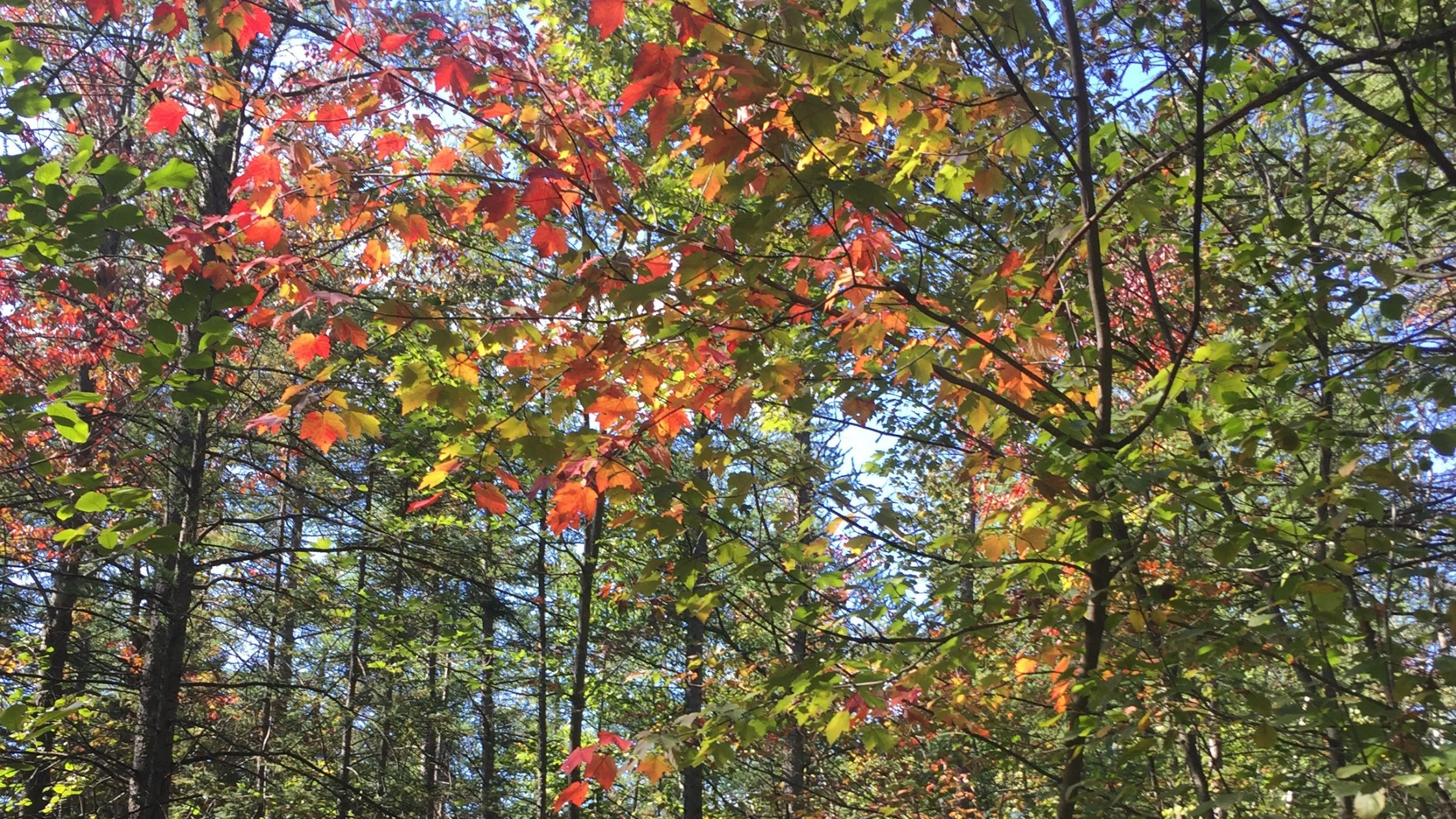
Discover pristine beaches and breathtaking views in this coastal paradise.
Discover pristine beaches and breathtaking views in this coastal paradise.
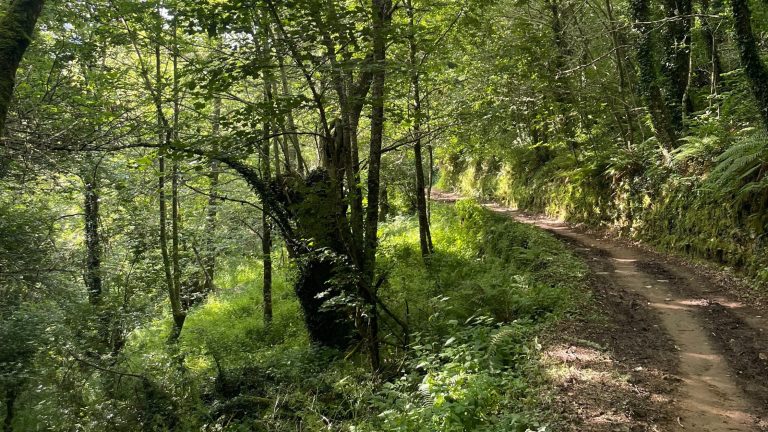
Big Lagoon State Park in Florida offers an exquisite blend of natural beauty and outdoor adventure, inviting visitors to explore its pristine landscapes. This coastal gem spans over 1,500 acres, showcasing a stunning array of ecosystems, from salt marshes to lush pine forests. The park’s namesake lagoon serves as a serene backdrop, perfect for kayaking, fishing, or simply soaking in the tranquil scenery.
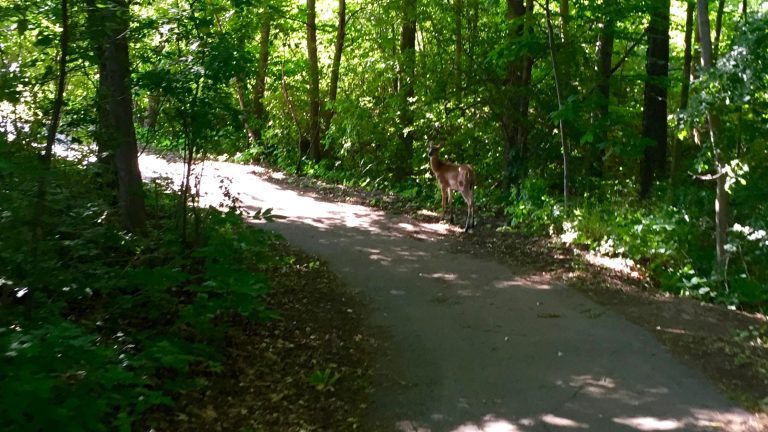
As you traverse the park’s winding trails, the vibrant wildlife captivates the senses. Birdwatchers will delight in spotting osprey and herons, while nature enthusiasts can enjoy the rich tapestry of flora that flourishes in this unique environment. The park also features well-maintained picnic areas, allowing for leisurely afternoons surrounded by nature’s splendor.
For those seeking a more immersive experience, Big Lagoon State Park offers camping facilities that provide a perfect escape from the hustle and bustle of daily life. As evening falls, the sky transforms into a canvas of stars, creating an enchanting atmosphere that lingers in memory long after the visit.
Seasons
Spring’s mild temperatures and vibrant bird migrations make it the perfect season to explore the park’s salt marshes, pine flatwoods, and pristine beaches.
Summer’s warm embrace transforms this coastal haven into a playground for kayaking, fishing, and hiking, with June, July, and August offering the perfect conditions for outdoor adventures.
In fall, the park’s diverse habitats become a haven for migratory birds, offering unparalleled birding opportunities, while cooler temperatures and reduced crowds enhance hiking and camping experiences.
Experience the serene beauty of Florida’s Gulf Coast in winter, where mild temperatures and abundant birdlife make December through February ideal for hiking, kayaking, and fishing adventures.
Top 3 Facts about Big Lagoon State Park
During certain migration seasons, visitors may witness the rare sight of the endangered piping plover and the elusive black skimmer nesting along the shores, while unique species like the salt marsh snake thrive in the diverse ecosystems, showcasing the area’s rich wildlife and biodiversity.
In Florida’s unique ecosystems, temperature variations can create microclimates where certain areas experience distinct weather patterns, leading to phenomena such as sudden rain showers or unexpected temperature drops, contributing to the rich biodiversity and intricate interactions between species in these localized environments.
Known for its unique trails like “The Lost Trail” and unusual rules banning certain watercraft, this destination also boasts records in outdoor sports, including the first kayak marathon held in the area, attracting adventure seekers eager to explore its diverse landscapes.
Travel Tips
Plan Ahead
Planning ahead is essential for a seamless visit to this stunning coastal destination. Check the weather and tide schedules, as they can greatly affect your activities, from kayaking to hiking. Arrive early to secure parking and enjoy the tranquility before crowds arrive. Don’t forget to pack plenty of water and snacks to keep your energy up while exploring the breathtaking scenery.
Pack Appropriately
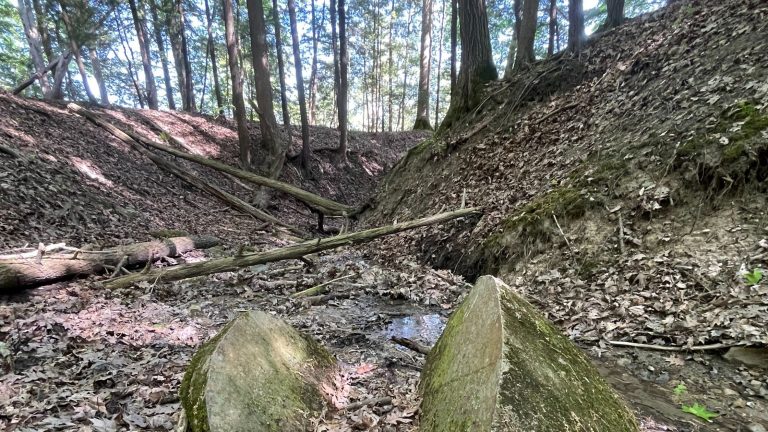
When preparing for your trip, pack a lightweight, waterproof bag for your essentials, as sudden rain showers can sweep through the area. Additionally, consider bringing a pair of water shoes for exploring the lagoon’s rocky edges and submerged trails, enhancing both comfort and safety while you immerse yourself in the stunning coastal scenery.
Respect Wildlife
Respect the diverse wildlife by observing from a distance and avoiding feeding animals. Keep noise to a minimum to prevent disturbing nesting birds and other creatures. Stay on designated trails to protect habitats and ensure a safe experience for both you and the local fauna. Your mindful presence helps preserve this beautiful ecosystem for future visitors.
Stay Informed
Before your visit, stay informed by checking the weather, temperatures, and any fire bans or notices. Know the emergency contact information and inform someone of your destination and expected return time to ensure your safety while exploring.
Accessibility & permits
Emergency

Planning a trip?
Tell us about your upcoming trip and how we can help!
Frequently Asked Questions
Ready to dive into what Big Lagoon State Park has to offer? Let’s tackle some of the burning questions you might have as you plan your visit!
-
Big Lagoon State Park offers a variety of activities including hiking on scenic trails, birdwatching, fishing, kayaking, and picnicking in designated areas. The park features beautiful views of the lagoon and surrounding ecosystems, making it a great spot for nature enthusiasts and families looking to enjoy the outdoors.
-
Pets are allowed in Big Lagoon State Park but must be kept on a leash at all times. Additionally, pet owners are responsible for cleaning up after their pets to maintain the park’s natural beauty. Certain areas may have restrictions, so it’s advisable to check the specific rules before your visit.
-
To reserve a campsite at Big Lagoon State Park, you can visit the Florida State Parks website or call the park directly. Reservations can typically be made up to 11 months in advance, and it’s recommended to book early, especially during peak seasons, to secure your desired site.
-
Swimming in the lagoon is generally considered safe, but it’s essential to be aware of the local conditions and any posted warnings. The lagoon’s waters are usually calm, making it a popular spot for swimming, but visitors should always exercise caution and check for any advisories regarding water quality.
-
The best time to visit Big Lagoon State Park is during the spring and fall months when temperatures are mild and the weather is pleasant for outdoor activities. This timeframe also offers fewer crowds compared to the summer months, allowing for a more enjoyable experience exploring the park’s natural beauty.