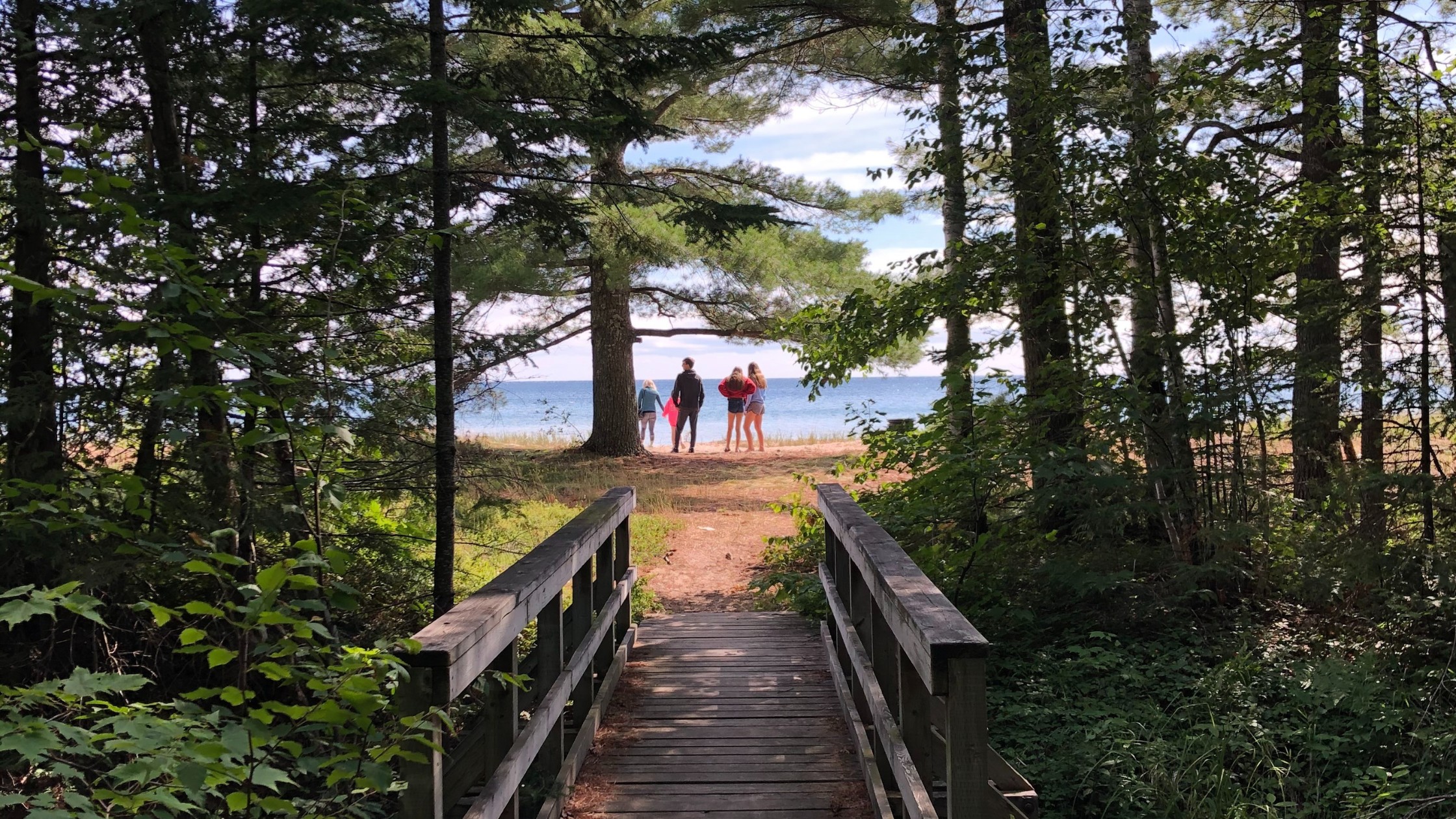
Discover breathtaking landscapes and diverse wildlife in this hidden gem of Florida.
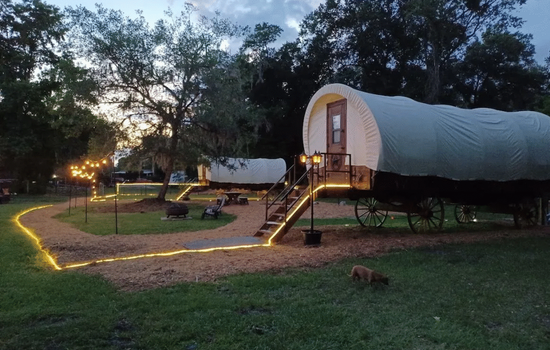

Discover breathtaking landscapes and diverse wildlife in this hidden gem of Florida.
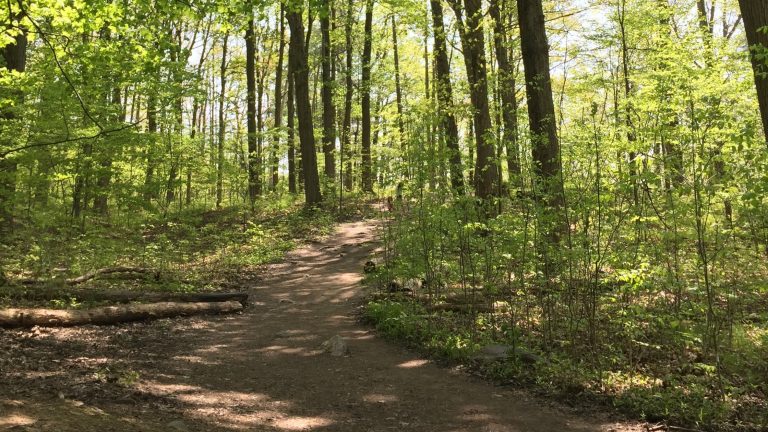
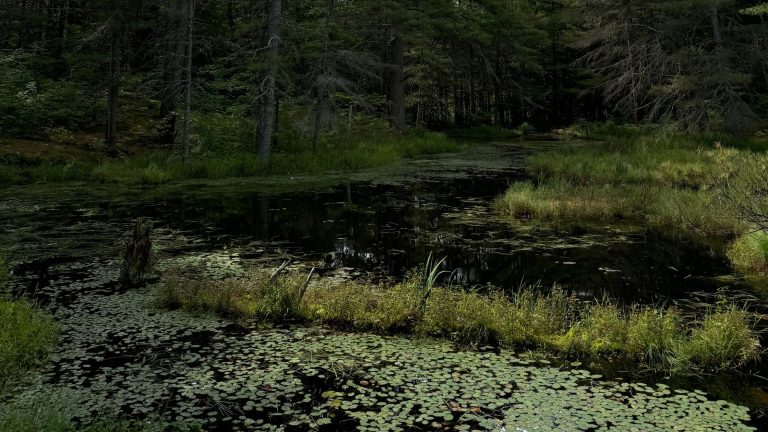
Big Shoals Wildlife Management Area in Florida offers a captivating escape into nature’s embrace. Spanning over 8,000 acres, this hidden gem boasts diverse ecosystems, from lush hardwood swamps to vibrant pine forests. Visitors can explore an extensive network of trails, perfect for hiking, biking, and horseback riding, all while immersing themselves in the serene beauty of the landscape.
The area is a haven for wildlife enthusiasts, with opportunities to observe a variety of species, including deer, wild turkeys, and numerous bird species. Anglers will find a paradise along the banks of the Suwannee River, where fishing for bass and catfish becomes an exhilarating experience. The gentle flow of the river provides a picturesque backdrop, making it an ideal spot for a peaceful picnic or a leisurely kayak trip.
As the sun sets, the park transforms into a tranquil retreat, with the sounds of nature creating a soothing symphony. Big Shoals Wildlife Management Area invites travelers to disconnect and reconnect with the natural world, offering a unique blend of adventure and tranquility.
Seasons
Spring’s mild temperatures and blooming wildflowers make it the perfect season to explore the park’s 28 miles of trails, offering breathtaking views of the Suwannee River’s limestone bluffs.
Summer’s warm temperatures and extended daylight hours make June, July, and August ideal for exploring the park’s extensive trails, fishing in the Suwannee River, and observing diverse wildlife.
In fall, the park’s 28 miles of trails offer hikers, bikers, and horseback riders a chance to explore diverse landscapes, while birdwatchers can observe species like herons, egrets, and wild turkeys.
Winter’s mild temperatures and reduced humidity make December through February ideal for exploring the park’s 28 miles of trails, offering serene hiking, biking, and horseback riding experiences.
Top 3 Facts about Big Shoals Wildlife Management Area
In this unique area, visitors can witness rare animal migrations, including the striking sight of the endangered Florida panther and the elusive black bear, alongside endemic species like the gopher tortoise, showcasing a remarkable blend of biodiversity that captivates wildlife enthusiasts and researchers alike.
In Florida’s unique microclimate, the area experiences sudden temperature drops due to its dense canopy, creating a phenomenon where frost can occur even when surrounding regions remain warm, leading to surprising impacts on local flora and fauna that are not typically associated with the subtropical climate.
Known for its diverse wildlife, this area features the unique “Big Shoals” trail, renowned for its challenging terrain and record-setting hiking times, while unusual rules prohibit the use of drones and motorized vehicles, ensuring a tranquil experience for outdoor enthusiasts.
Travel Tips
Plan Ahead
When visiting this stunning wildlife management area, planning ahead is essential for an unforgettable experience. Check local regulations, pack essentials like water and snacks, and consider timing your visit for early morning or late afternoon to catch the wildlife at its most active. Bring binoculars for birdwatching and wear sturdy shoes to explore the diverse trails that showcase Florida’s natural beauty.
Pack Appropriately
When visiting this unique Florida landscape, pack a lightweight hammock for a truly immersive experience. The area’s abundant trees provide perfect spots to relax and enjoy the sounds of nature, while also offering shade during the heat of the day. Don’t forget insect repellent to fend off the local mosquitoes, especially in the early morning and late afternoon.
Respect Wildlife
Respect the diverse wildlife by observing animals from a distance and avoiding feeding them, as human food can disrupt their natural behaviors. Stay on designated trails to protect habitats and ensure a safe experience for both visitors and wildlife. Bring binoculars for a closer look at birds and other creatures, enhancing your appreciation while minimizing your impact on their environment.
Stay Informed
Before visiting, check the weather forecast, temperatures, and any fire bans or notices to ensure a safe trip. Inform someone of your destination and expected return time, and keep emergency contact information handy. Staying informed helps you enjoy your experience while prioritizing safety.
Accessibility & permits
Emergency

Planning a trip?
Tell us about your upcoming trip and how we can help!


Frequently Asked Questions
Ready to dive into what Big Shoals Wildlife Management Area has to offer? Let’s tackle some of the burning questions you might have as you plan your visit!
-
Big Shoals Wildlife Management Area offers a variety of outdoor activities, including hiking, fishing, wildlife observation, and camping. Visitors can explore the scenic landscapes and diverse ecosystems through well-maintained trails.
-
Yes, there are hiking trails in Big Shoals Wildlife Management Area. The trails vary in difficulty and length, providing options for both casual walkers and more experienced hikers. Notable trails include the Big Shoals Trail, which offers stunning views of the Suwannee River and the surrounding natural beauty.
-
Fishing is permitted in Big Shoals Wildlife Management Area. Anglers can enjoy fishing in the Suwannee River and its tributaries, with opportunities to catch species such as bass, catfish, and panfish. A valid Florida fishing license is required.
-
Big Shoals Wildlife Management Area is home to a rich variety of wildlife. Visitors may see deer, wild turkeys, and a range of bird species, including herons and owls. The area also features unique habitats that support diverse flora and fauna, making it a great spot for wildlife enthusiasts.
-
Yes, there are camping facilities in Big Shoals Wildlife Management Area. The area provides primitive camping options, allowing visitors to immerse themselves in nature. Campsites are typically first-come, first-served, and amenities may be limited, so it’s advisable to come prepared.