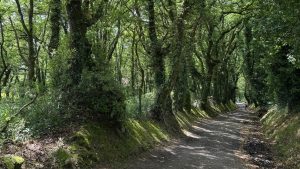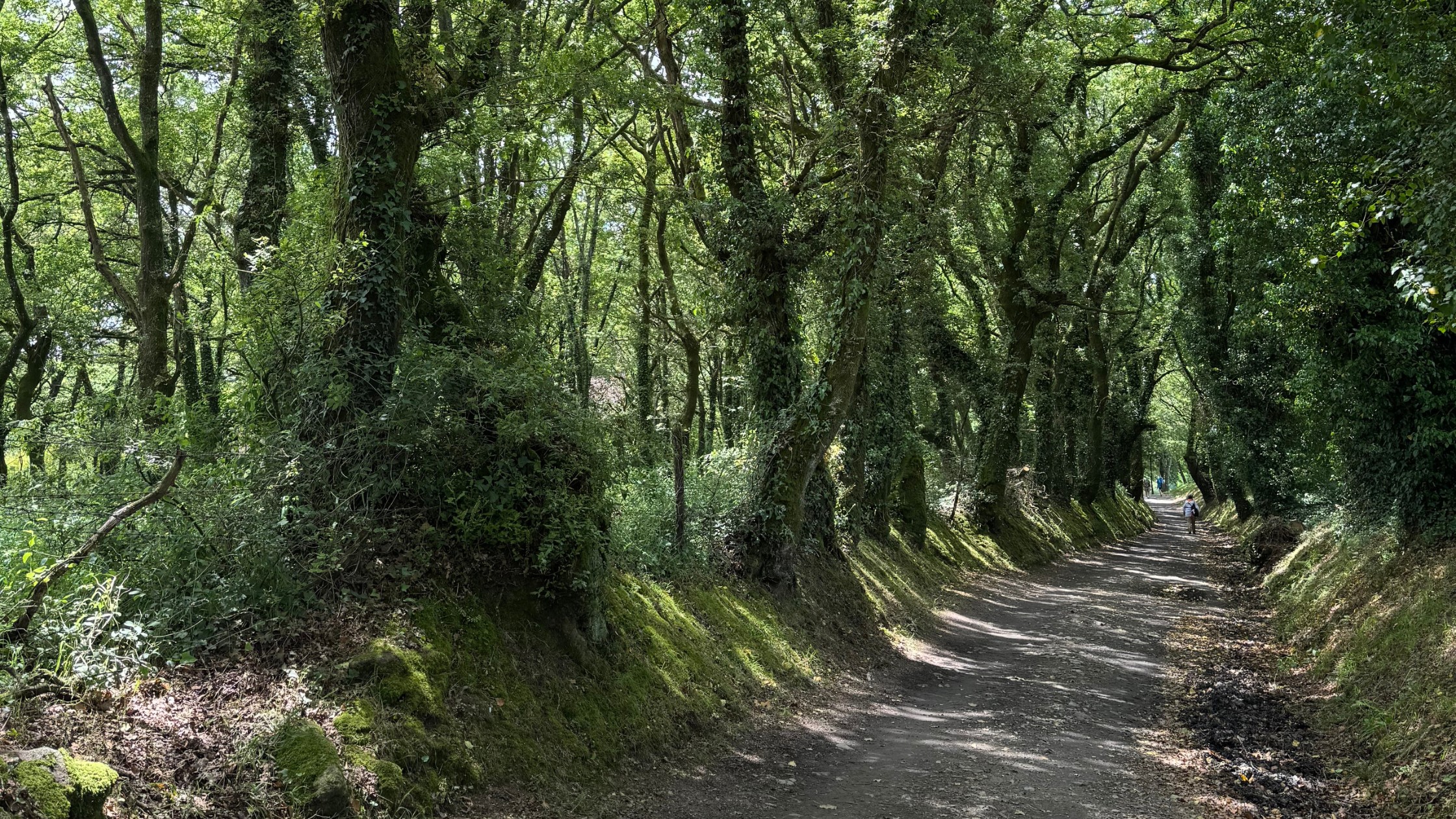
Discover a hidden gem of stunning rock formations and breathtaking landscapes in Wisconsin.

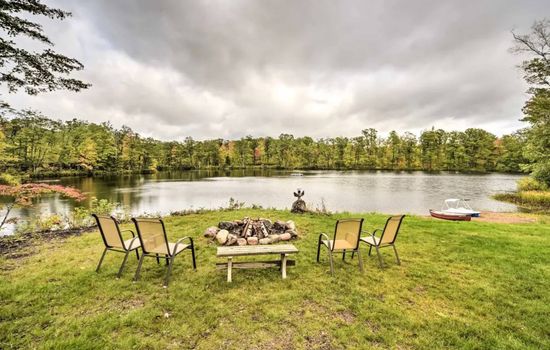
Discover a hidden gem of stunning rock formations and breathtaking landscapes in Wisconsin.
Discover the enchanting Blue Hills Felsenmeer State Natural Area in Wisconsin, a hidden gem that captivates nature lovers and adventure seekers alike. This stunning landscape showcases a unique geological formation, where ancient boulders blanket the forest floor, creating a breathtaking tapestry of textures and colors. As you wander through this serene environment, the crisp air and rustling leaves enhance the experience, inviting reflection and exploration.
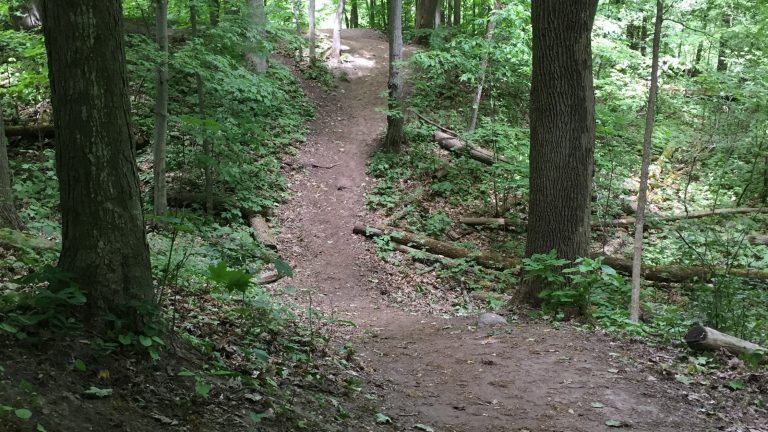
The park offers an array of hiking trails that meander through lush woods and open glades, each path leading to new vistas and opportunities for wildlife spotting. Keep an eye out for the diverse bird species that call this area home, as well as the vibrant flora that flourishes in the rich soil. The tranquility of Blue Hills Felsenmeer provides the perfect backdrop for outdoor photography, making it a favorite among both amateur and professional photographers.
For those seeking a true escape, the park’s remote setting encourages visitors to disconnect from the hustle of daily life. Whether you’re embarking on a solo adventure or enjoying a family outing, Blue Hills Felsenmeer State Natural Area promises an unforgettable experience, where nature’s beauty reigns supreme.
Seasons
In spring, the Blue Hills’ trails come alive with vibrant wildflowers, offering hikers a rejuvenating escape into nature’s colorful tapestry.
Summer’s warm temperatures and extended daylight hours make June, July, and August ideal for exploring the Blue Hills’ diverse trails, abundant wildlife, and unique geological features.
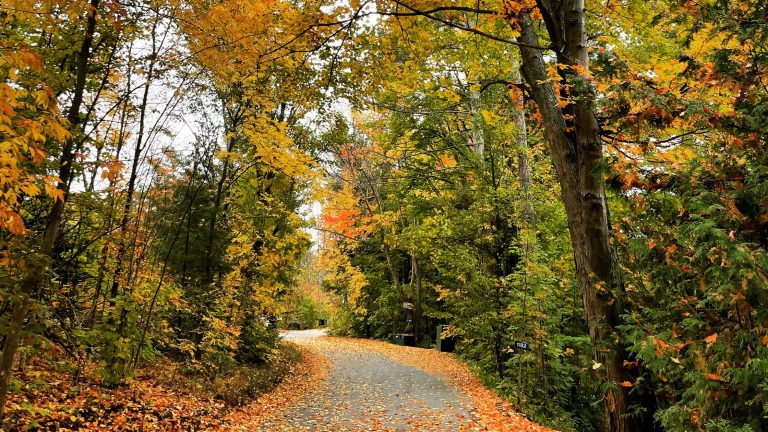
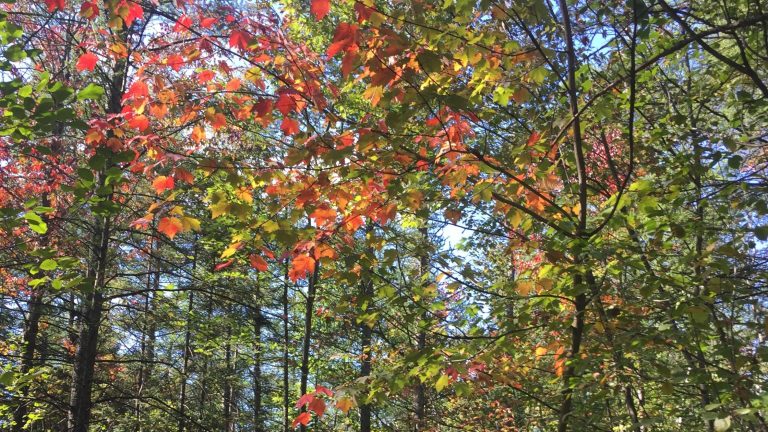
In fall, the park’s vibrant foliage and crisp air create an ideal setting for hiking and exploring its unique rock formations, offering a serene escape from the everyday.
Embrace the winter magic of the Blue Hills, where December through February offer pristine cross-country skiing, snowshoeing, and snowmobiling amidst serene, snow-covered landscapes.
Top 3 Facts about Blue Hills Felsenmeer State Natural Area
This region is home to unique animal migration events, where rare species such as the endangered Eastern Massasauga rattlesnake can be spotted, alongside unusual sightings of migratory birds that traverse vast distances, showcasing the area’s rich biodiversity and ecological significance.
An intriguing phenomenon occurs in some regions where unique microclimates create diverse ecosystems, allowing for unusual plant and animal species to thrive; for instance, extreme temperature variations can lead to frost pockets, where temperatures can drop significantly in a small area, impacting local biodiversity.
Known for its unique boulder fields, this area features the bizarrely named “Screaming Rock Trail” and unusual rules prohibiting motorized vehicles, while also boasting records in outdoor sports like the fastest ascent of the challenging boulder scramble, attracting adventurers seeking both thrills and quirky experiences.
Travel Tips
Plan Ahead
To fully enjoy your visit to this stunning natural area, plan ahead by checking trail conditions and weather forecasts. Arrive early to secure parking and explore the unique rock formations before the crowds. Don’t forget to pack essentials like water, snacks, and a map, as cell service can be spotty, ensuring a smooth and memorable outdoor adventure.
Pack Appropriately
When visiting this stunning geological wonder, pack a sturdy pair of hiking shoes to navigate the uneven terrain of ancient boulders. Don’t forget a lightweight backpack to carry extra water and snacks, as well as a camera to capture the breathtaking vistas and unique rock formations that tell the story of Wisconsin’s glacial past.
Respect Wildlife
When exploring this stunning natural area, always maintain a respectful distance from wildlife. Observe animals quietly and avoid feeding them, as human food can disrupt their natural behaviors and diets. Carry binoculars for a closer look without intruding on their habitat, and remember to stay on marked trails to protect delicate ecosystems.
Stay Informed
Before your visit, check the weather forecast, temperatures, and any fire bans or notices. Make sure to inform someone about your destination and your expected return time, and keep emergency contact information handy. Staying informed ensures a safe and enjoyable experience in the great outdoors.
Accessibility & permits
Emergency

Planning a trip?
Tell us about your upcoming trip and how we can help!
Frequently Asked Questions
Ready to dive into what Blue Hills Felsenmeer State Natural Area has to offer? Let’s tackle some of the burning questions you might have as you plan your visit!
-
What is Blue Hills Felsenmeer State Natural Area? Blue Hills Felsenmeer State Natural Area is a unique geological site located in Wisconsin, known for its stunning rock formations and diverse ecosystems. The area features a boulder field created by glacial activity, making it a popular spot for nature enthusiasts and geologists alike. Visitors can explore the rugged terrain, which is home to various plant and animal species, providing an excellent opportunity for wildlife observation and photography.
-
How to get to Blue Hills Felsenmeer State Natural Area? To reach Blue Hills Felsenmeer State Natural Area, take Highway 70 east from the town of Exeland, then turn north onto County Road D. Follow the signs directing you to the natural area, which is about 5 miles from the highway. The area is accessible by car, and parking is available near the entrance.
-
What to do at Blue Hills Felsenmeer State Natural Area? Visitors to Blue Hills Felsenmeer State Natural Area can enjoy hiking along the marked trails that wind through the boulder fields and wooded areas. Birdwatching is also popular, as the area attracts various bird species. Photography enthusiasts will find ample opportunities to capture the stunning landscapes and unique rock formations. Additionally, the natural area is suitable for picnicking, with scenic spots to relax and enjoy nature.
-
When is the best time to visit Blue Hills Felsenmeer State Natural Area? The best time to visit Blue Hills Felsenmeer State Natural Area is during the spring and fall months. Spring offers vibrant wildflowers and lush greenery, while fall showcases stunning foliage colors. Summer can be warm, but it’s also a great time for outdoor activities. Winter attracts visitors interested in snowshoeing and winter photography, but trails may be less accessible.
-
Are there facilities at Blue Hills Felsenmeer State Natural Area? Blue Hills Felsenmeer State Natural Area has limited facilities. There are no restrooms or visitor centers on-site, so visitors should plan accordingly. Parking is available, and it’s advisable to bring water, snacks, and any necessary supplies for a day of exploration.