Step back in time to explore California's best-preserved ghost town and its fascinating history.
Step back in time to explore California's best-preserved ghost town and its fascinating history.
Bodie State Historic Park stands as a testament to California’s Gold Rush era, inviting travelers to step back in time. This once-thriving mining town, now a ghostly remnant, offers a captivating glimpse into life during the late 1800s. Visitors wander through the well-preserved structures, each telling a story of ambition, prosperity, and eventual decline. The park’s authenticity is striking; it feels as though the townsfolk might return at any moment, their laughter echoing through the dusty streets.
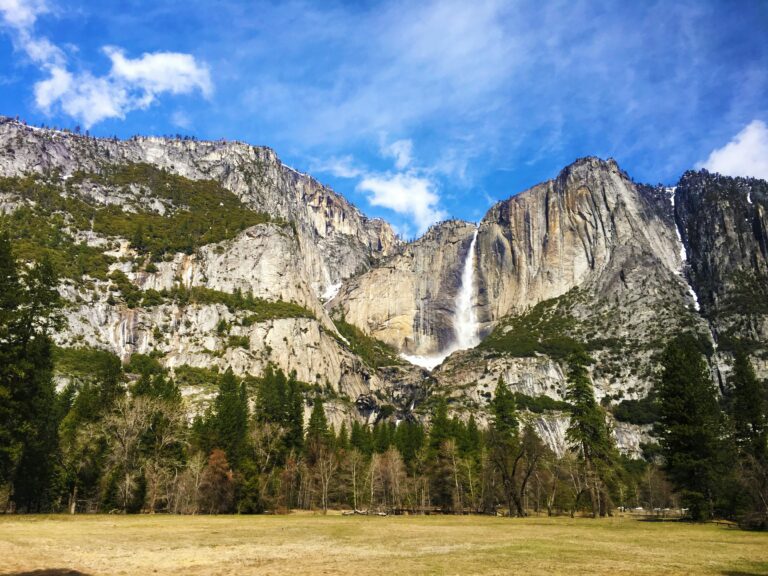
Amidst the rugged Sierra Nevada mountains, Bodie’s haunting beauty captivates photographers and history enthusiasts alike. The expansive landscape, dotted with remnants of old machinery and crumbling facades, provides an unparalleled backdrop for exploration. Each corner of the park reveals artifacts of a bygone era, from the saloons to the schoolhouse, inviting reflection on the dreams and hardships of those who once called Bodie home.
As daylight fades, the park transforms, casting long shadows that dance across the ground. The serenity of the surrounding wilderness enhances the experience, making Bodie State Historic Park not just a destination, but a profound journey into the past.
Seasons
Spring’s mild temperatures and blooming wildflowers breathe new life into this preserved ghost town, offering a vivid glimpse into California’s rich mining history.
Summer’s warm temperatures and extended daylight hours make June, July, and August ideal for exploring the park’s well-preserved historic structures and rich mining history.
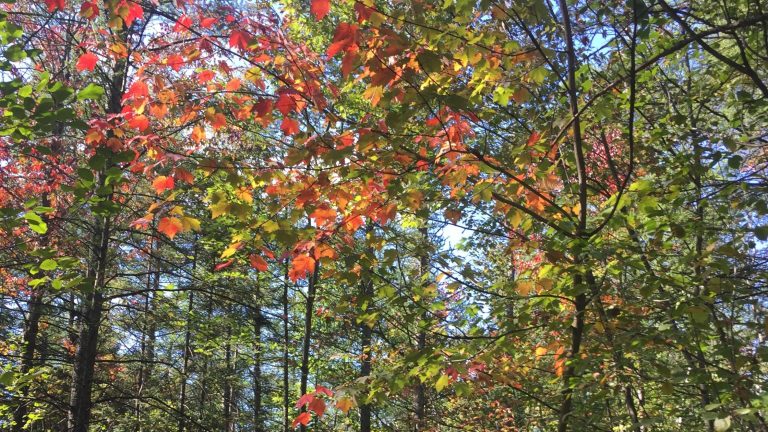
Exploring the well-preserved ghost town in autumn offers crisp air, vibrant fall colors, and fewer crowds, making September through November ideal for immersing in its rich history.
Visiting Bodie State Historic Park in winter offers a unique glimpse into California’s gold rush era, with December, January, and February providing serene solitude and a pristine snowy landscape.
Top 3 Facts about Bodie State Historic Park
One fascinating aspect of wildlife and biodiversity in this region is the rare sighting of the elusive Sierra Nevada bighorn sheep, which migrates through rugged terrain, showcasing its unique adaptations, while the park also serves as a critical habitat for various endemic species found nowhere else.
In this historic site, extreme temperature fluctuations can occur, with summer highs reaching over 100°F and winter lows plummeting below -10°F, creating a unique microclimate that supports rare plant species and attracts storm-related phenomena like sudden snow squalls and dramatic lightning displays.
Known for its ghost town allure, this historic site features the bizarrely named “Dead Man’s Trail” and prohibits activities like metal detecting and camping, preserving its eerie charm while attracting outdoor enthusiasts seeking unique experiences in a landscape steeped in California’s mining history.
Travel Tips
Plan Ahead
When visiting this historic ghost town, planning ahead is essential for an enjoyable experience. Arrive early to explore the well-preserved buildings and scenic landscapes before the crowds. Bring plenty of water, wear comfortable shoes, and check the weather forecast, as conditions can change rapidly. Don’t forget your camera to capture the unique charm of this fascinating destination.
Pack Appropriately
When visiting this ghost town nestled in the Sierra Nevada, pack layers to adapt to the region’s unpredictable weather. Mornings can be crisp and afternoons surprisingly warm; a light jacket and sun protection are essential. Don’t forget sturdy shoes for exploring the uneven terrain, and bring a camera to capture the haunting beauty of the well-preserved structures and stunning mountain backdrop.
Respect Wildlife
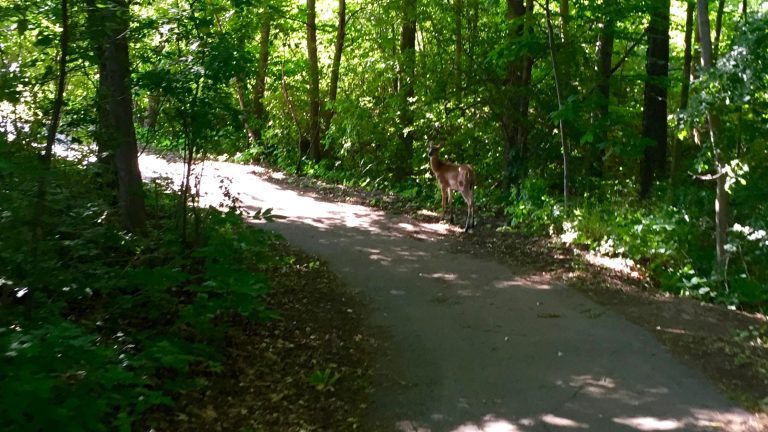
When exploring this historic site, prioritize wildlife safety by observing animals from a distance and refraining from feeding them. Keep to marked trails to protect their habitats and avoid disturbing nesting areas, especially during the spring. Respecting these creatures ensures a harmonious experience for both visitors and wildlife, allowing everyone to enjoy the natural beauty of the region.
Stay Informed
Before your visit, check the weather forecast, current temperatures, and any fire bans or notices. Familiarize yourself with emergency contact information, and always inform someone of your destination and expected return time to ensure a safe and enjoyable experience.
Accessibility & permits
Emergency

Planning a trip?
Tell us about your upcoming trip and how we can help!
Frequently Asked Questions
Ready to dive into what Bodie State Historic Park has to offer? Let’s tackle some of the burning questions you might have as you plan your visit!
-
Bodie State Historic Park’s operating hours are typically from 9 AM to 6 PM daily, but hours may vary by season, so it’s best to check ahead before your visit.
-
The entrance fee for Bodie State Historic Park is $8 per adult, while children under 16 can enter for free. This fee helps preserve the historic site.
-
Camping is not allowed within Bodie State Historic Park, as it is a historic site. However, nearby campgrounds are available for visitors who wish to camp.
-
Dogs are not permitted in Bodie State Historic Park to protect the historical integrity and natural environment of the site. Service animals are allowed.
-
Facilities at Bodie State Historic Park include a visitor center with exhibits, restrooms, and a small gift shop. There are no food services available, so visitors should bring their own supplies.