Discover breathtaking landscapes and adventure in Wisconsin's hidden gem of natural beauty.
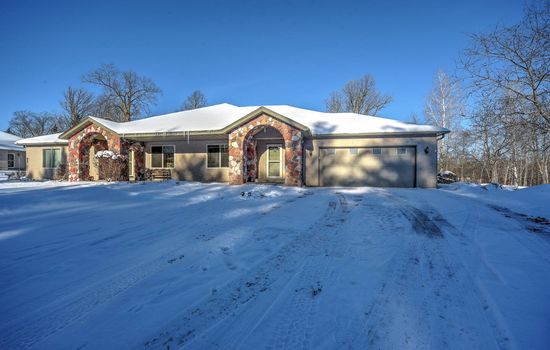
Discover breathtaking landscapes and adventure in Wisconsin's hidden gem of natural beauty.
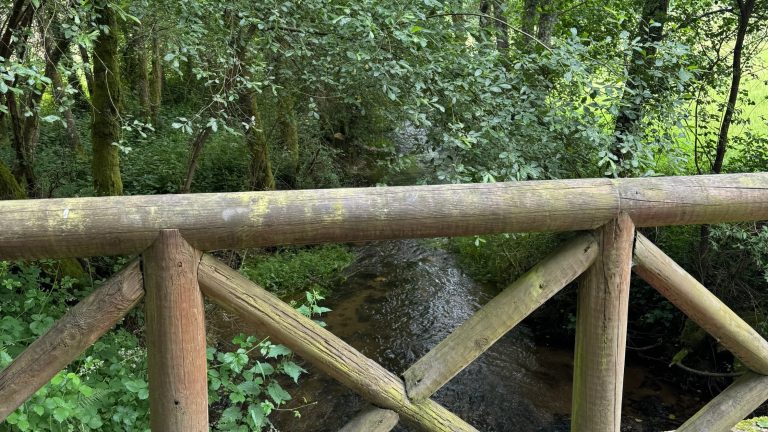
Brule River State Forest in Wisconsin stands as a testament to nature’s unspoiled beauty, offering a serene escape for discerning travelers. Spanning over 4,000 acres, this forest is a sanctuary for outdoor enthusiasts and nature lovers alike. The Brule River, with its crystal-clear waters, meanders through lush landscapes, providing ample opportunities for kayaking and fishing. The gentle sounds of flowing water create a calming backdrop, inviting visitors to immerse themselves in the tranquility of the surroundings.
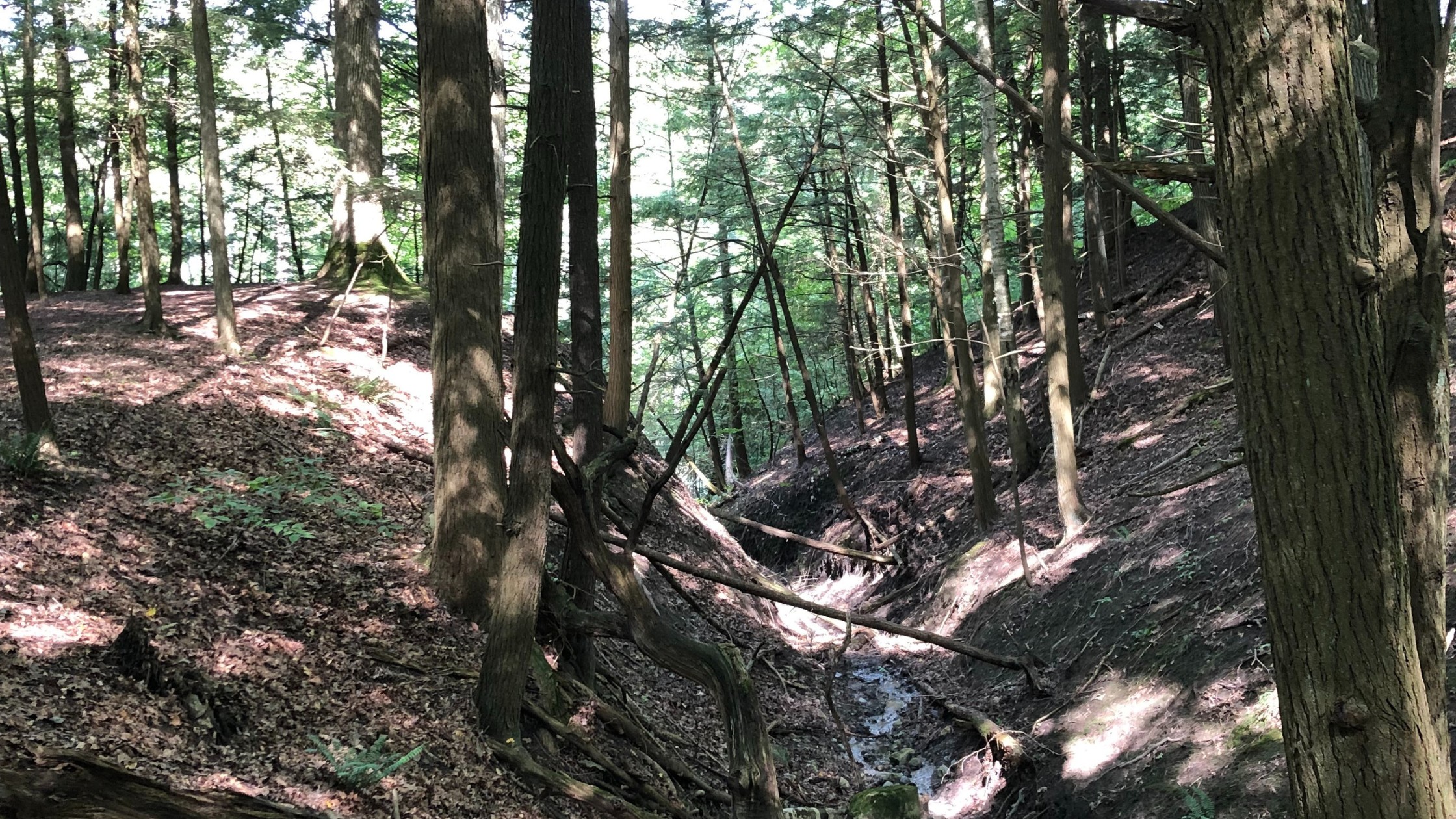
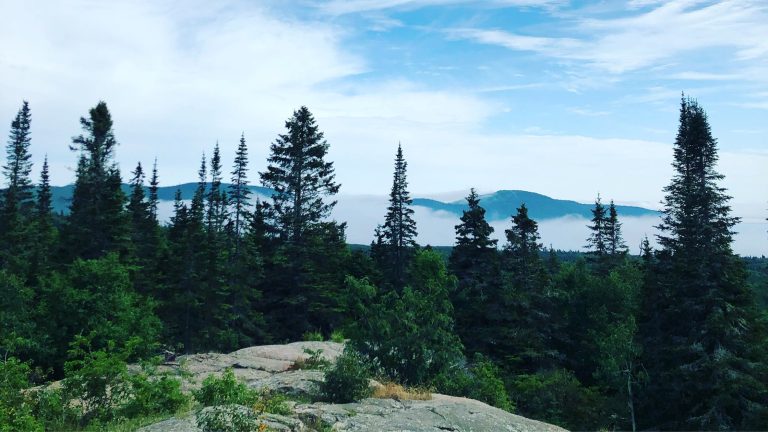
Hiking trails wind through towering pines and vibrant hardwoods, revealing breathtaking vistas at every turn. Each path leads to hidden gems, including pristine lakes and panoramic overlooks that showcase the forest’s diverse flora and fauna. Wildlife sightings are common, making this a paradise for photographers and nature enthusiasts.
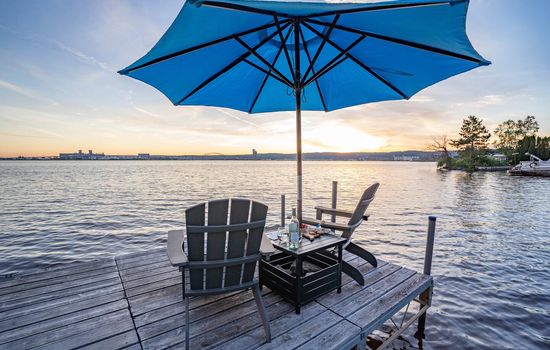
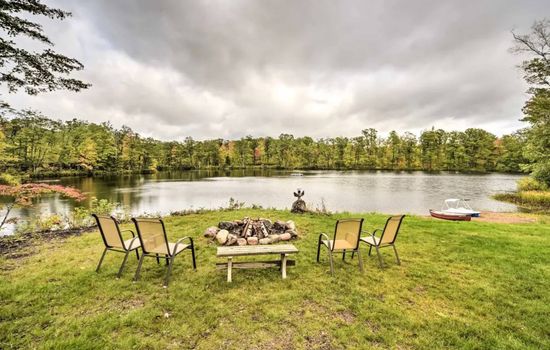
For those seeking a more leisurely experience, the forest offers picnic areas and campsites that encourage relaxation and reflection. As the sun sets, the sky transforms into a canvas of colors, providing the perfect end to a day spent exploring the natural wonders of Brule River State Forest.
Seasons
In spring, the forest’s vibrant flora and fauna come alive, offering unparalleled opportunities for trout fishing, canoeing, and hiking along the scenic riverbanks.
In summer, the forest’s lush landscapes and mild temperatures invite visitors to paddle the Bois Brule River’s rapids, hike scenic trails, and camp under starlit skies.
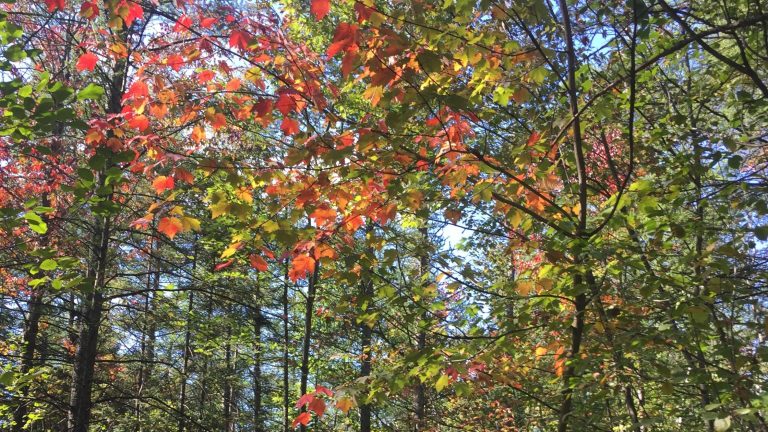
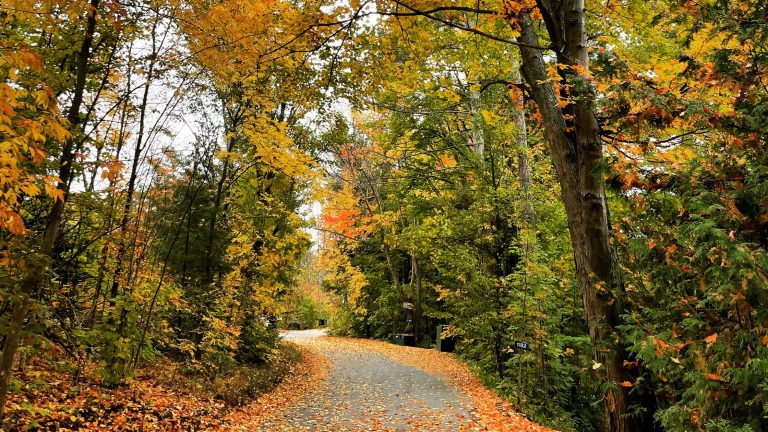
In autumn, the forest’s trails offer breathtaking views of vibrant foliage, while the river’s calm waters provide a serene backdrop for canoeing and kayaking adventures.
Embrace the winter charm of this Wisconsin gem where December through February offer pristine cross-country skiing, snowshoeing, and snowmobiling amidst serene snowy landscapes.
Top 3 Facts about Brule River State Forest
In this unique ecosystem, rare species like the Eastern Massasauga rattlesnake and the elusive Kirtland’s warbler can be spotted, while extraordinary animal migration events occur, showcasing the incredible adaptability of wildlife as they navigate changing landscapes and seasonal shifts in search of food and breeding grounds.
The region experiences unique microclimates due to its diverse topography, leading to variations in temperature and precipitation; for instance, certain areas can be significantly cooler than surrounding regions, creating distinct ecosystems that support unique flora and fauna, particularly during storm events.
Known for its unique trail names like “The Devil’s Slide” and records in canoeing, this forest also enforces unusual rules such as banning motorized vehicles on many paths, ensuring a serene experience for hikers and nature enthusiasts alike.
Travel Tips
Plan Ahead
To make the most of your visit, plan ahead by checking weather conditions and trail maps before you go. Arrive early to secure parking and enjoy a peaceful hike along the scenic waterways, and don’t forget to pack essentials like water, snacks, and a camera to capture the stunning landscapes and wildlife that await you.
Pack Appropriately
When packing for a visit to this stunning forest, consider including a lightweight hammock. The area’s abundant trees provide perfect spots to relax and enjoy the serene sounds of nature. Additionally, bring layers; temperatures can fluctuate significantly between day and night, especially near the river. Staying comfortable ensures you can fully immerse yourself in the breathtaking landscapes and wildlife.
Respect Wildlife
Respect wildlife by observing animals from a distance and refraining from feeding them. Keep noise to a minimum to avoid startling creatures and stick to designated trails to protect their habitats. Carry out any trash to preserve the natural beauty and ensure a safe environment for both visitors and wildlife.
Stay Informed
Stay informed before your visit by checking the weather forecast, current temperatures, and any fire bans or notices. Know emergency contact information and ensure someone knows your plans, including your destination and expected return time, to enhance your safety and enjoyment.
Accessibility & permits
Emergency

Planning a trip?
Tell us about your upcoming trip and how we can help!
Frequently Asked Questions
Ready to dive into what Brule River State Forest has to offer? Let’s tackle some of the burning questions you might have as you plan your visit!
-
Brule River State Forest offers a variety of activities including fishing, canoeing, kayaking, and wildlife viewing. Visitors can also enjoy picnicking and horseback riding along designated trails. The forest is known for its scenic beauty and abundant wildlife, making it a great spot for nature enthusiasts.
-
To obtain a fishing license for Brule River, you can purchase one online through the Wisconsin Department of Natural Resources website, at local bait shops, or at designated licensing agents in the area. Make sure to check the specific regulations for the Brule River before you go fishing.
-
Yes, Brule River State Forest has camping facilities, including both rustic campsites and group camping options. The campsites are equipped with fire rings and picnic tables, and some offer access to restrooms and drinking water. Reservations can be made in advance, especially during peak season.
-
Brule River State Forest features several hiking trails, including the Brule River Trail and the North Country National Scenic Trail. These trails vary in difficulty and length, offering options for both casual walkers and experienced hikers. The trails provide stunning views of the river and surrounding forest, making them ideal for all outdoor enthusiasts.
-
The best time to visit Brule River State Forest is during the late spring and early fall. Spring offers blooming wildflowers and active wildlife, while fall showcases vibrant foliage. Summer is also popular for water activities, but can be crowded. Winter attracts snowshoeing and cross-country skiing enthusiasts.