Discover stunning landscapes and thrilling water activities in New Mexico's hidden gem.
Discover stunning landscapes and thrilling water activities in New Mexico's hidden gem.
Caballo Lake State Park in New Mexico emerges as a hidden gem for discerning travelers seeking tranquility and natural beauty. With its shimmering waters framed by dramatic cliffs and expansive desert landscapes, the park invites visitors to explore its diverse recreational offerings. Boating, fishing, and hiking are just a few of the activities that allow guests to immerse themselves in this stunning environment.
The park’s namesake lake is a focal point, providing a serene setting for picnics and leisurely strolls along the shore. Anglers can cast their lines for catfish and bass, while families can enjoy a day of fun on the water. The surrounding trails offer breathtaking views, perfect for both casual walkers and avid hikers looking to challenge themselves.
As the sun sets, the park transforms into a canvas of vibrant colors, making it an ideal spot for photography enthusiasts. Caballo Lake State Park is not just a destination; it’s an experience that captures the essence of New Mexico’s rugged beauty and outdoor adventure.
Seasons
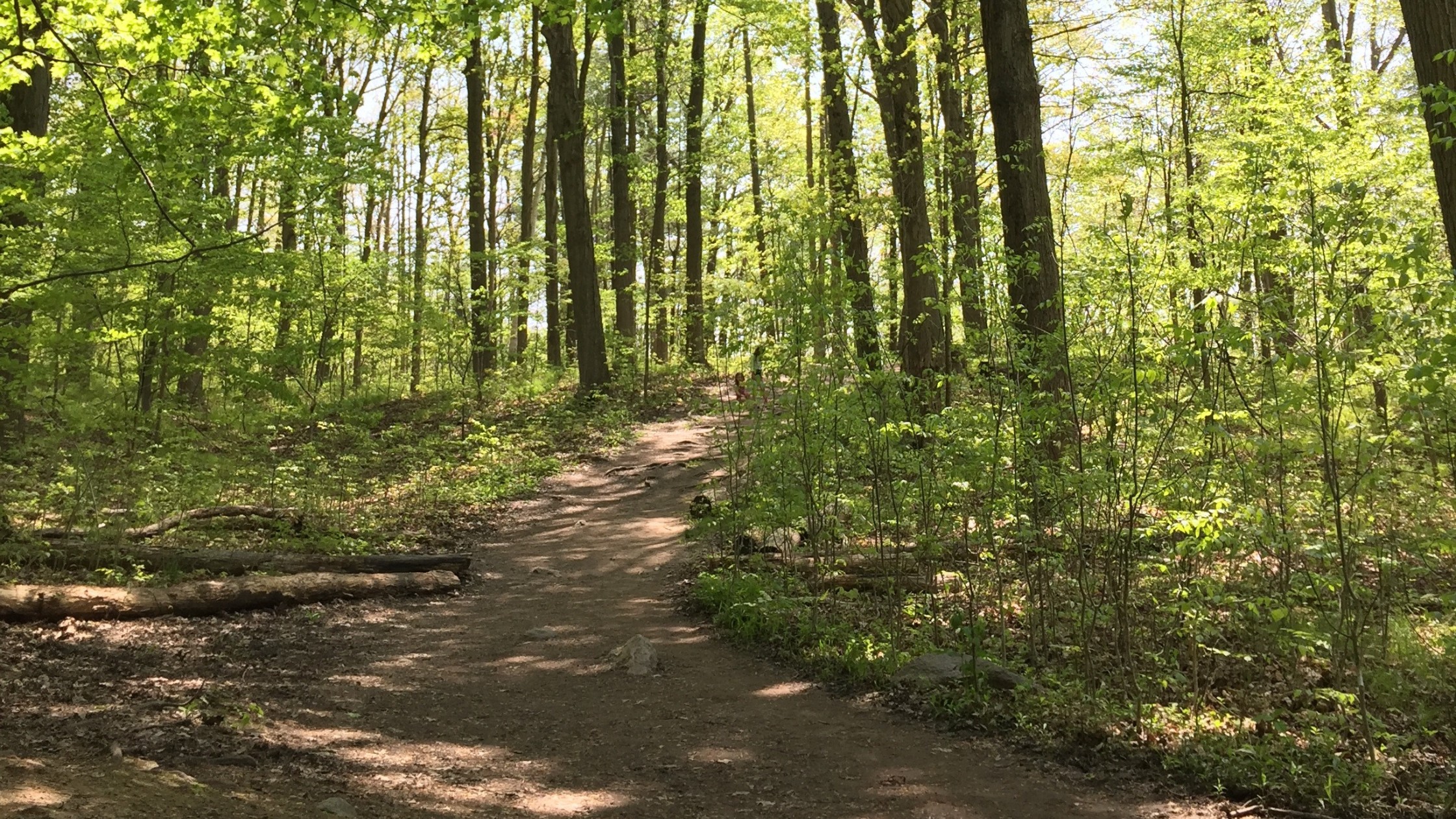
In spring, the park’s trails bloom with wildflowers, offering hikers a vibrant landscape to explore, while anglers find the waters teeming with bass and catfish.
Summer’s warm days and clear skies invite visitors to enjoy boating, fishing, and hiking, with June, July, and August offering the most favorable conditions for these activities.
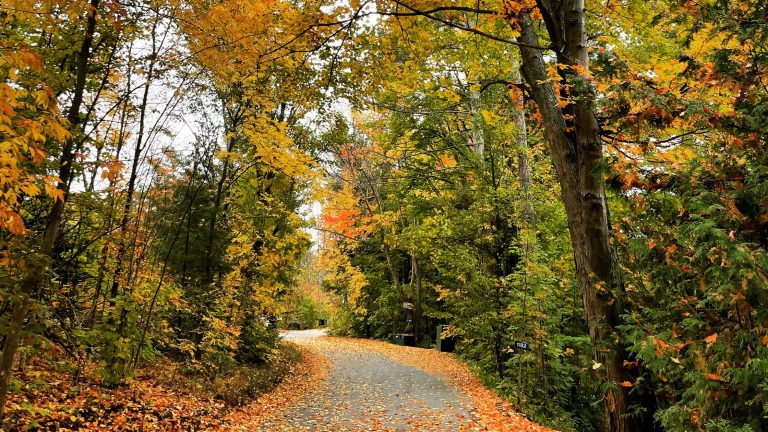
In fall, the park’s serene waters and mild temperatures invite boating, fishing, and hiking, while vibrant foliage and migratory birds enhance the natural beauty, making September through November ideal for outdoor enthusiasts.
Winter’s crisp air and clear skies transform this desert oasis into a haven for birdwatchers, anglers, and hikers seeking solitude amid stunning mountain vistas.
Top 3 Facts about Caballo Lake State Park
During migration seasons, rare sightings of the endangered American avocet and the strikingly colorful painted bunting can be observed, while the park is also home to unique endemic species like the New Mexico meadow jumping mouse, showcasing the region’s rich biodiversity and ecological significance.
Caballo Lake State Park experiences unique microclimates due to its elevation and surrounding geography, leading to sudden temperature shifts; for instance, temperatures can swing dramatically within a single day, creating conditions that support diverse ecosystems and unusual weather phenomena like localized thunderstorms.
Known for its expansive waters, this park features the unique “Sandy Beach Trail” and has banned the use of motorized vehicles on certain paths, promoting a tranquil environment for kayaking and fishing, while also hosting record-setting bass fishing tournaments that attract enthusiasts from all over.
Travel Tips
Plan Ahead
To make the most of your visit, plan ahead by checking weather conditions and park hours. Arrive early to secure a prime spot for fishing or hiking, and don’t forget to pack essentials like sunscreen, water, and snacks. Consider exploring less-traveled trails for a peaceful experience and bring a camera to capture the stunning landscapes.
Pack Appropriately
When preparing for your trip, pack layers to adapt to the region’s temperature swings, especially between day and night. Don’t forget to include a wide-brimmed hat and sunscreen; the high desert sun can be intense even in cooler months. A reusable water bottle is essential to stay hydrated while exploring the stunning landscapes.
Respect Wildlife
When exploring this stunning destination, always respect the wildlife by keeping a safe distance from animals and refraining from feeding them. Observe birds and other creatures quietly to avoid disturbing their natural behaviors, and stick to designated paths to protect their habitats. This mindful approach ensures a harmonious experience for both visitors and the diverse species that call the area home.
Stay Informed
Before your visit, stay informed by checking the weather, temperatures, and any fire bans or notices. Ensure you know emergency contact information and tell someone your plans, including when you expect to return. Being prepared enhances your experience and keeps you safe while enjoying the natural beauty.
Accessibility & permits
Emergency

Planning a trip?
Tell us about your upcoming trip and how we can help!
Frequently Asked Questions
Ready to dive into what Caballo Lake State Park has to offer? Let’s tackle some of the burning questions you might have as you plan your visit!
-
Caballo Lake State Park offers a variety of activities including boating, fishing, hiking, and picnicking. The park features a large lake ideal for water sports, with boat ramps and rental options available. Visitors can enjoy scenic trails for hiking and wildlife observation, as well as designated picnic areas for family gatherings.
-
Yes, Caballo Lake State Park has camping facilities that include both developed campgrounds and primitive camping options. The campgrounds provide amenities such as restrooms, showers, and picnic tables, making it a convenient choice for visitors looking to experience the outdoors.
-
The best time to visit Caballo Lake State Park is during the spring and fall months when temperatures are mild and the scenery is particularly beautiful. Spring offers blooming wildflowers, while fall provides stunning foliage. Summer can be hot, but early mornings and late evenings are cooler and ideal for outdoor activities.
-
Yes, there are excellent fishing opportunities at Caballo Lake State Park. The lake is home to various fish species including bass, catfish, and crappie. Anglers can fish from the shore or from boats, with several fishing tournaments held throughout the year.
-
Wildlife enthusiasts can see a diverse range of animals at Caballo Lake State Park, including deer, coyotes, and various bird species such as eagles and herons. The park’s varied habitats make it a great spot for birdwatching and observing local wildlife in their natural environment.