


The Cabot Trail, Skyline Moose, and Cliffs Where Mountains Meet the Sea
The Cabot Trail, Skyline Moose, and Cliffs Where Mountains Meet the Sea
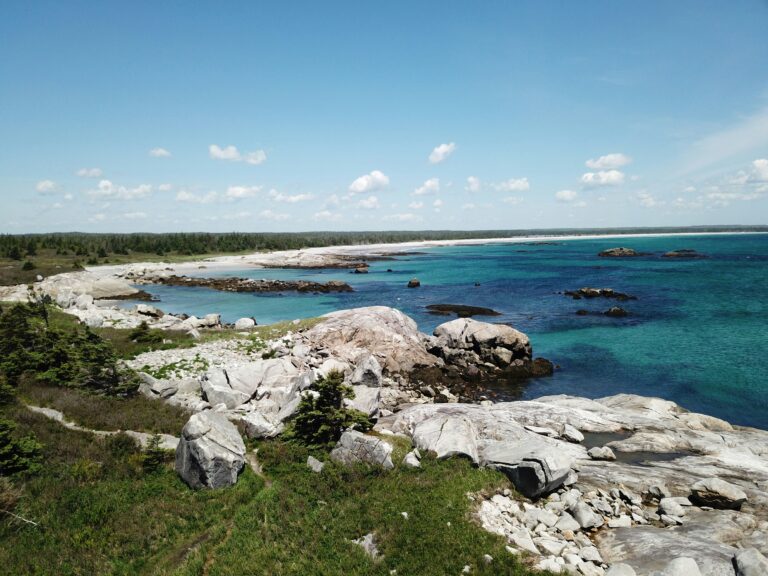
On the northern tip of Nova Scotia’s Cape Breton Island, where the ancient Appalachian mountains descend in sheer green cliffs directly into the Atlantic Ocean and the Gulf of St. Lawrence, Cape Breton Highlands National Park holds a landscape so singular that the Cabot Trail has been ranked among the world’s great scenic drives for nearly a century. Established in 1936 as the first national park in Atlantic Canada, the park covers 948 square kilometres of highland plateau, river canyon, boreal and Acadian forest, and rocky coastline, supporting approximately 300,000 visitors a year who arrive seeking exactly what the park delivers: an unhurried combination of dramatic scenery, excellent hiking, remarkable wildlife, and an Acadian and Cape Breton cultural tradition unlike any other in Canada.
The Cabot Trail loops around three sides of the park, with roughly 106 kilometres of that legendary drive passing through the park boundaries and offering continuous ocean and highland views. Every curve in the road above Chéticamp on the Gulf side or along the Atlantic coast at Ingonish reveals a new configuration of cliff, sea, and forest. The Skyline Trail, the park’s most celebrated hike, traverses a headland above the Gulf of St. Lawrence, where moose are so frequently sighted that the boardwalk approaching the lookout has become one of the best wildlife viewing corridors in Canada. Note for 2026 visitors: paid parking reservations are required for the Skyline Trail from June 26 to October 25. Dogs are not permitted on the Skyline Trail or the supervised section of North Bay Beach. Beyond the Skyline, 25 additional marked trails range from easy boardwalk loops to multi-day wilderness routes. Ingonish Beach offers supervised salt water swimming in summer and freshwater swimming at adjacent Freshwater Lake. Fishing for brook trout and Atlantic salmon is permitted in designated park waters with a national park fishing permit.
The wildlife of Cape Breton Highlands is genuinely exceptional. Moose are present throughout the highland forest and are regularly visible from the road and trails. Minke, humpback, and pilot whales, along with harbour and grey seals, are reliably seen offshore. Over 230 bird species have been recorded, with bald eagles and ospreys common. The park’s resident population of moose, isolated from mainland populations since the 1940s, forms one of the most genetically distinct moose populations in North America.
Multi-generational groups traveling the Cabot Trail find Cape Breton Highlands ideal, with the scenic drive delivering extraordinary views that require no hiking effort at all, while serious trails are available for those who want them. Families appreciate the park’s Parks Canada Xplorers program for children, the beaches at Ingonish, and the accessible Bog Trail boardwalk. Pet-first travelers are welcome on most park trails with dogs on leash, though the Skyline Trail and certain supervised beach sections are exceptions.
The communities of Chéticamp, Ingonish, and Baddeck offer cozy vacation rentals ranging from waterfront lakehouses on the Bras d’Or Lakes to beautiful multi-bedroom cabins with BBQ grills and stunning views over Cape Breton’s fjord-like inlets. Properties along the Cabot Trail corridor sleep groups comfortably and place guests minutes from park entrances. Book your accommodations near Cape Breton Highlands National Park through Lake.com.
Seasons
Crisp and blooming, with wildflowers and fewer crowds. Trails reopen and wildlife becomes active.
Warm, sunny, and great for beach visits, kayaking, hiking, and sightseeing. Peak tourist season.
Fall colors peak in late September–early October. Ideal for hiking and photography.
Snow-covered scenery ideal for snowshoeing and solitude. Cold but scenic and peaceful.
Top 3 Facts about Cape Breton Highlands National Park
Cape Breton Highlands National Park covers 948 square kilometres of the northern tip of Cape Breton Island, Nova Scotia, spanning from the Gulf of St. Lawrence on the west to the Atlantic Ocean on the east. Established on June 23, 1936, it was the first national park established in Atlantic Canada. The park includes the highest point in Nova Scotia, White Hill at 533.5 metres, and contains 26 marked hiking trails. Approximately 106 kilometres of the 298-kilometre Cabot Trail scenic highway pass through the park.
The Skyline Trail is the park’s most celebrated hiking route, traversing a coastal headland above the Gulf of St. Lawrence with panoramic ocean views. Moose are frequently sighted along the boardwalk section of the trail. For 2026, paid parking reservations are required for the Skyline Trail from June 26 to October 25. Dogs are not permitted on the Skyline Trail or in the supervised area of North Bay Beach. Whales including minke, humpback, fin, and pilot whales are regularly observed in offshore waters, along with harbour and grey seals.
Cape Breton Highlands supports approximately 40 mammal species including moose, black bears, lynx, bobcat, and coyotes. The park’s moose population is genetically distinct, descended from 18 western moose introduced from Alberta between 1947 and 1948, and is entirely isolated from mainland Nova Scotia populations. Over 230 bird species have been recorded in the park. Recreational fishing for brook trout and Atlantic salmon on a catch-and-release basis is permitted from April 15 to September 30 with a national park fishing permit.
Travel Tips
Plan Ahead
A valid Parks Canada entry pass is required for all visitors and can be purchased at the Chéticamp or Ingonish entrance kiosks or visitor centres. In 2026, paid parking reservations are required for the Skyline Trail from June 26 to October 25; book through Parks Canada reservation system. Campground reservations are recommended for summer visits and can be made through reservation.pc.gc.ca. The park is open year-round with visitor services available from mid-May to late October. Dogs are not permitted on the Skyline Trail or at the supervised section of North Bay Beach. Check parks.canada.ca/cbreton for current trail conditions and any seasonal advisories.
Pack Appropriately
Cape Breton weather is famously variable; bring waterproof, windproof outerwear and layers regardless of the forecast. The highland plateau can be significantly colder and windier than the coastal villages. Insect repellent is important for wooded trails from May through July. Wear sturdy waterproof footwear for most hiking trails. The Cabot Trail is a winding mountain road; allow significantly more driving time than mapping apps suggest, particularly behind RVs or in fog. Salt water temperatures at ocean beaches are cold year-round; bring a wetsuit for extended swimming.
Respect Wildlife
Moose are large and unpredictable; never approach, block, or follow a moose on trails or roads. Black bears and coyotes are present throughout the park; follow Parks Canada guidelines for wildlife encounters and store food securely. Give all wildlife a safe viewing distance. In 2009 a hiker was fatally attacked by coyotes in the park; always be aware of your surroundings on trails and follow current safety advisories. Keep leashed dogs under control and away from all wildlife. Whales observed offshore should be given significant distance if viewing from watercraft.
Stay Informed
Check parks.canada.ca/cbreton for current trail conditions, parking reservation requirements, and any wildlife advisories before every visit. The Cabot Trail can be hazardous in fog, ice, and heavy rain; check weather forecasts for the highland section before driving. Rip currents are possible at ocean beaches; observe posted signs and heed lifeguard instructions. For park emergencies, call 9-1-1. For non-emergency park information, contact Cape Breton Highlands at the Chéticamp Visitor Centre (902) 224-2306.
- Area (km²)
- 589.02
- Annual visitors
- 300 000
- Established year
- 1936
Accessibility & permits
Emergency

Planning a trip?
Tell us about your upcoming trip and how we can help!
Frequently Asked Questions
Ready to dive into what Cape Breton Highlands National Park has to offer? Let’s tackle some of the burning questions you might have as you plan your visit!
-
The drive from Halifax to Cape Breton Highlands National Park is approximately 5 hours, covering a distance of about 413 kilometers. This drive can take you through scenic routes and various towns before reaching the park at the northeastern part of Cape Breton Island.
-
The Skyline Trail is a good option for kids, as it is rated easy and is 6.5 km long with a return trip, offering panoramic views and a boardwalk with steps at the headland. It is suitable for most skill levels and features a dramatic headland cliff and ocean views. However, be cautious with children around the cliffs and keep them on the boardwalk to protect the fragile headland plants.
-
You can take your dog on most trails, but not on the Skyline Trail, as it is restricted to protect wildlife like moose and bears. Your dog must be on a leash and you need to clean up after them. Some beach areas are also off-limits to dogs.
-
Parking is not included with admission; it is part of the services for which you need a park pass. You still need to pay the daily admission fee even if you are using the campgrounds or other facilities.
-
Explore 26 hiking trails ranging from easy walks to challenging climbs with panoramic views of canyons and highlands. Enjoy camping at one of the 8 campgrounds, including oTENTiks in Chéticamp, Ingonish Beach, and Broad Cove. Other activities include swimming, cycling, golfing, fishing, and participating in interpretive programs to learn about the natural and cultural heritage of the area.