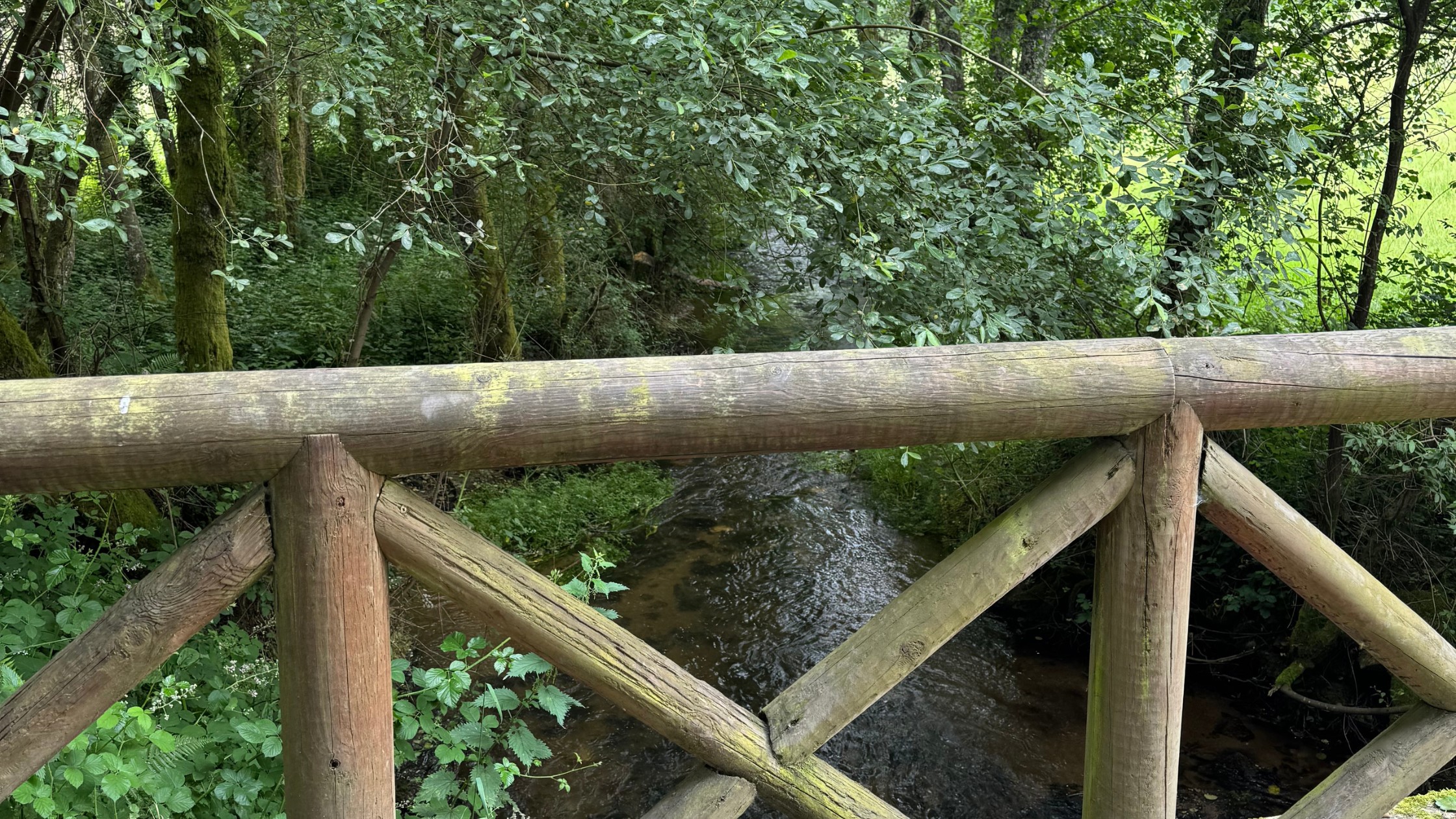
Discover breathtaking landscapes and outdoor adventures in New York's hidden gem.
Discover breathtaking landscapes and outdoor adventures in New York's hidden gem.
Catskill Park, a shimmering gem in New York’s natural crown, invites travelers to explore its breathtaking landscapes and rich biodiversity. Spanning over 700,000 acres, this majestic park offers a seamless blend of adventure and tranquility, making it a perfect escape for discerning travelers seeking both relaxation and exhilaration. From the towering peaks of the Catskill Mountains to the serene waters of its countless lakes and rivers, every corner reveals a new wonder.
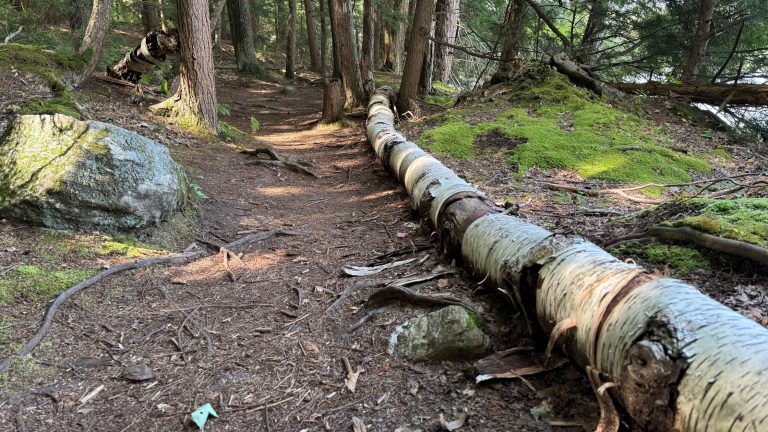
Hikers can traverse a network of trails that range from leisurely strolls to challenging ascents, with the iconic Slide Mountain offering panoramic views that reward the effort. For those who prefer a more leisurely pace, the park’s charming villages, such as Woodstock and Phoenicia, brim with artisanal shops, gourmet eateries, and vibrant art scenes that celebrate local culture.
Wildlife enthusiasts will find a haven here, with opportunities to spot everything from majestic black bears to elusive bobcats. As the sun sets, the park transforms into a stargazer’s paradise, free from the distractions of city lights. Catskill Park is not just a destination; it’s an experience that lingers in the memory long after the journey ends.
Seasons
Spring’s arrival transforms the Catskills into a vibrant tapestry of blooming wildflowers and cascading waterfalls, inviting hikers to explore its 350 miles of trails and artists to capture its breathtaking vistas.
Summer in the Catskills offers vibrant festivals, lush hiking trails, and lively music events, making June, July, and August the perfect months to immerse in its natural beauty and cultural richness.
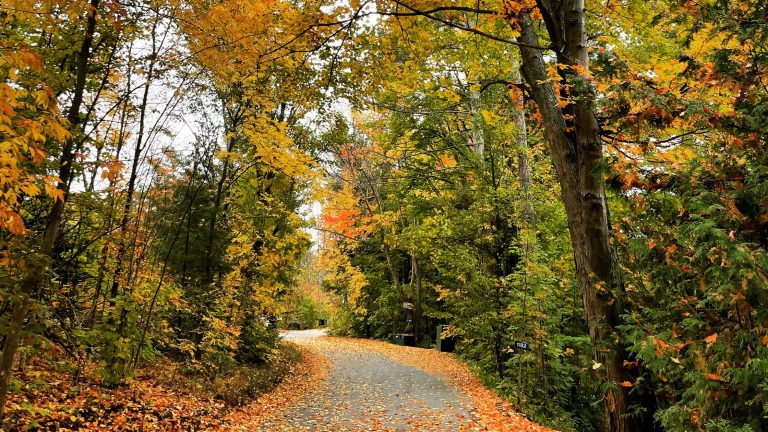
In September, October, and November, the Catskills’ vibrant fall foliage, crisp air, and festive events create an idyllic backdrop for hiking, scenic drives, and apple picking.
Embrace winter’s embrace with exhilarating snowshoeing trails, thrilling downhill skiing, and cozy lodge retreats, making December through February the perfect time to experience the Catskills’ snowy splendor.
Top 3 Facts about Catskill Park
One fascinating aspect of wildlife in this region is the migration of the rare Eastern Red Bat, which can be spotted roosting in trees during the day, and the unusual sighting of the elusive bobcat, a species that has made a surprising comeback in recent years.
In this region, extreme temperature variations can occur, with summer highs reaching over 100°F and winter lows plummeting to -20°F, while unique microclimates foster diverse ecosystems, allowing for unusual storm-related phenomena like sudden snow squalls that can blanket the area in minutes.
Known for its challenging terrain, the area boasts the first-ever recorded ascent of Slide Mountain in 1836, features bizarre trail names like “The Devil’s Path,” and enforces unusual rules such as banning the use of drones and prohibiting overnight camping in certain regions.
Travel Tips
Plan Ahead
When venturing into this stunning wilderness, planning ahead is essential for a seamless experience. Research trail conditions, pack appropriate gear, and consider the weather forecast to ensure safety and enjoyment. Arriving early not only helps you beat the crowds but also allows you to soak in the serene beauty at sunrise, making your adventure truly unforgettable.
Pack Appropriately
When preparing for your trip, pack a lightweight, waterproof jacket to protect against the region’s unpredictable weather. The Catskills’ elevation can lead to sudden rain showers, even in summer, so being prepared will keep you comfortable while you explore the stunning trails and scenic vistas.
Respect Wildlife
When exploring the stunning landscapes, keep a respectful distance from wildlife. Observe animals like deer and black bears from afar, and never feed them, as human food can harm their health and alter their natural behaviors. Carry out any trash to protect their habitats and ensure future visitors can enjoy the beauty of these majestic creatures.
Stay Informed
Before your visit, stay informed by checking the weather forecast, current temperatures, and any fire bans or notices. Make sure to know emergency contact information and inform someone about your destination and expected return time to ensure a safe and enjoyable experience.
Accessibility & permits
Emergency

Planning a trip?
Tell us about your upcoming trip and how we can help!
Frequently Asked Questions
Ready to dive into what Catskill Park has to offer? Let’s tackle some of the burning questions you might have as you plan your visit!
-
What are the best hiking trails in Catskill Park? The best hiking trails in Catskill Park include the Escarpment Trail, which offers stunning views of the Hudson Valley; the Kaaterskill Falls Trail, known for its picturesque waterfalls; and the Slide Mountain Trail, leading to the highest peak in the Catskills. Each trail varies in difficulty and length, catering to both novice and experienced hikers.
-
Where can I camp in Catskill Park? Camping in Catskill Park is available at several locations, including North-South Lake Campground, the largest campground in the park with access to hiking trails and swimming; Woodland Valley Campground, offering a more secluded experience; and various backcountry sites for those seeking solitude. Reservations are recommended during peak season.
-
How do I get to Catskill Park without a car? To reach Catskill Park without a car, consider taking a bus from New York City to nearby towns like Tannersville or Hunter. The Trailways bus service operates routes to these areas. Once there, local shuttle services and taxis can help you access trailheads and campgrounds.
-
What wildlife can I see in Catskill Park? Catskill Park is home to diverse wildlife, including black bears, white-tailed deer, red foxes, and various bird species such as the peregrine falcon and the barred owl. The park’s varied ecosystems provide habitats for both large mammals and smaller creatures, making it an excellent spot for wildlife observation.
-
Are there any fees to enter Catskill Park? There are no entrance fees to access Catskill Park; however, some campgrounds and facilities may require fees for camping or parking. It’s advisable to check specific campground regulations and fees before your visit.