
Discover the rich history and stunning natural beauty of this coastal gem.

Discover the rich history and stunning natural beauty of this coastal gem.
Cedar Key Museum State Park offers an enchanting escape into Florida’s rich history and natural beauty. Situated on the picturesque Cedar Key, this hidden gem invites travelers to explore its captivating exhibits and serene landscapes. Visitors are greeted by the charm of a historic lighthouse, which stands as a sentinel over the shimmering waters, providing a perfect backdrop for leisurely strolls.
The museum itself showcases the area’s fascinating past, featuring artifacts that tell the story of the indigenous peoples and early settlers. Each exhibit immerses guests in the vibrant culture of Cedar Key, revealing the unique maritime heritage that shaped this coastal community. As you wander through the park, the lush surroundings and gentle sea breezes create an atmosphere of tranquility, encouraging reflection and appreciation for nature.
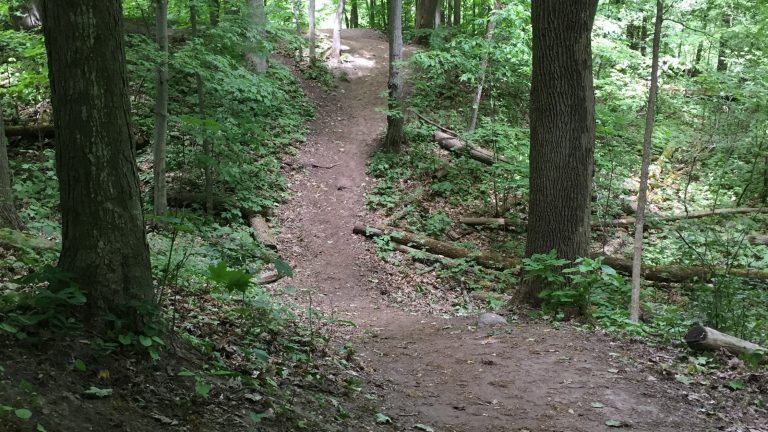
Outdoor enthusiasts will find plenty to love here. Scenic trails wind through the park, offering glimpses of native wildlife and the stunning coastal ecosystem. Whether you’re enjoying a picnic by the water or simply soaking in the breathtaking views, Cedar Key Museum State Park promises a luxurious blend of history and nature that captivates the soul.
Seasons
Spring’s mild temperatures and blooming flora make it an ideal season to explore the rich history and natural beauty of this coastal gem.
Summer’s sultry days invite exploration of the museum’s rich exhibits and the tranquil nature trail, offering a serene retreat from the bustling tourist season.
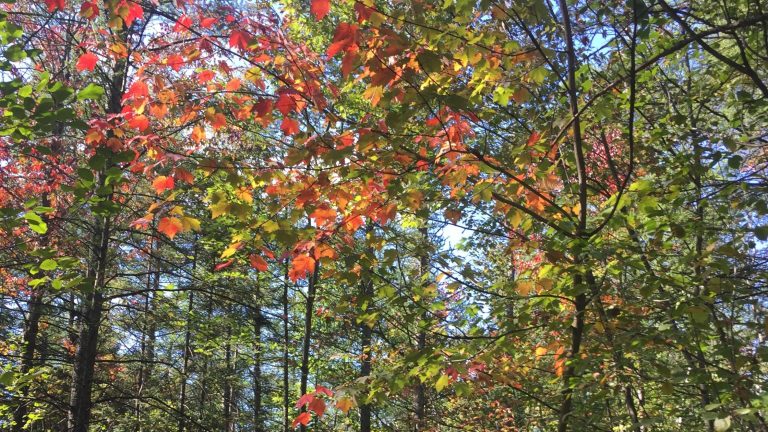
In fall, the park’s nature trail offers exceptional birding opportunities as migratory species arrive, and the restored Whitman House provides a glimpse into 1920s life.
Winter’s mild temperatures and abundant birdlife make December through February ideal for exploring the park’s rich history and natural beauty.
Top 3 Facts about Cedar Key Museum State Park
Cedar Key is home to unique wildlife, including rare species like the Florida Manatee and unusual sightings of migratory birds such as the Roseate Spoonbill, which gather in large flocks during seasonal migrations, creating a stunning spectacle that highlights the region’s rich biodiversity.
In this region, unique microclimates develop due to its coastal geography, leading to sudden temperature shifts and unusual weather patterns, such as localized thunderstorms that can occur while nearby areas remain clear, showcasing the fascinating interplay between land and sea in shaping local climate phenomena.
Known for its unique outdoor sports records, the area boasts the longest paddleboarding route in Florida, features bizarre trail names like “Gopher Tortoise Trail,” and prohibits activities such as metal detecting and drone flying, ensuring a serene environment for visitors to enjoy nature.
Travel Tips
Plan Ahead
To make the most of your visit, plan ahead by checking the museum’s schedule for guided tours and special events. Arrive early to explore the scenic trails and enjoy the stunning coastal views, ensuring you have ample time to soak in the rich local history and natural beauty that this unique destination offers.
Pack Appropriately
When packing for your visit, consider bringing lightweight, breathable clothing to combat the Florida humidity, and don’t forget a good pair of walking shoes for exploring the scenic trails. A reusable water bottle is essential to stay hydrated, and binoculars will enhance your wildlife watching experience, especially for spotting the diverse bird species that thrive in the coastal wetlands.
Respect Wildlife
When exploring this coastal gem, keep a respectful distance from wildlife. Observe birds and other animals without disturbing their natural behavior, especially during nesting seasons. Use binoculars for a closer look and avoid feeding wildlife, as human food can harm their health and disrupt their natural foraging habits. Embrace the beauty of nature while ensuring its preservation for future generations.
Stay Informed
Before your visit, stay informed by checking the weather, temperatures, and any fire bans or notices. Always share your plans with someone, including your destination and expected return time, and ensure you have emergency contact information handy. Being prepared enhances your experience and keeps you safe.
Accessibility & permits
Emergency

Planning a trip?
Tell us about your upcoming trip and how we can help!


Frequently Asked Questions
Ready to dive into what Cedar Key Museum State Park has to offer? Let’s tackle some of the burning questions you might have as you plan your visit!
-
Cedar Key Museum State Park’s operating hours are typically open daily from 9:00 AM to 5:00 PM, but it’s best to check for seasonal variations or holidays.
-
Yes, there is an entrance fee for Cedar Key Museum State Park, which is usually around $2 per person, with children under 6 free, making it an affordable option for families.
-
Activities available at Cedar Key Museum State Park include exploring the museum exhibits, hiking the nature trails, bird watching, and enjoying picnics in designated areas.
-
Pets are allowed at Cedar Key Museum State Park but must be kept on a leash and cleaned up after, ensuring a pleasant experience for all visitors.
-
To get to Cedar Key Museum State Park, take US Highway 19 to Cedar Key, then follow the signs to the park entrance located on State Road 24.