


California's Galapagos: Island Wildlife, Sea Caves, and Kelp Forest Diving








California's Galapagos: Island Wildlife, Sea Caves, and Kelp Forest Diving
Just 14 miles off the Southern California coastline, where the Santa Barbara Channel separates the mainland from a chain of islands that appear on clear days as a tantalizing silhouette above the Pacific, five islands constitute one of the most biologically remarkable national parks in the United States. Channel Islands National Park encompasses 249,354 acres of island and ocean, half of which lies underwater in one of the most productive kelp forest ecosystems on the West Coast. The park has been called the Galapagos of North America: 145 plant and animal species found nowhere else on Earth evolved in the islands’ long isolation, and the surrounding waters support over 30 species of marine mammals, giant kelp forests, and underwater sea caves of extraordinary scale. Channel Islands was designated a U.S. National Monument in 1938, established as a national park in 1980, and designated a UNESCO Biosphere Reserve in 1976.
Getting to Channel Islands requires planning and intention. There are no roads to any island; the only access is by boat or charter aircraft. Island Packers, the park’s official boat concessionaire, operates from Ventura Harbor and offers daily crossings to Santa Cruz, the closest and most visited island at approximately one hour, with longer crossings to the more remote islands taking up to four hours. The Robert J. Lagomarsino Visitor Center in Ventura Harbor is the practical starting point for all mainland visitors and provides orientation, a 25-minute park film, aquarium exhibits, and ranger programs at no charge. About 262,581 visitors came to the park in 2024, with the majority visiting the mainland visitor center rather than making the island crossing.
Santa Cruz Island is the flagship island experience. The east end, administered by the NPS, offers Scorpion Anchorage and Scorpion Ranch as landing and visitor areas with ranger-guided hikes, sea kayaking in the spectacular sea caves along the island’s north shore, snorkeling in kelp forest, and camping on a ridge above the anchorage with sunset views across the channel. Anacapa Island, smaller and closer, features the striking Anacapa Lighthouse and steep cliffs where brown pelicans and Brandt’s cormorants nest in large colonies. San Miguel Island, the most remote and challenging, rewards the voyage with a 30,000-strong seal and sea lion colony at Point Bennett during certain seasons.
From whale watching to sea kayaking to snorkeling the kelp forests, the ocean-based activities at Channel Islands rival any marine environment accessible to casual visitors in the United States. Tide pools at Landing Cove on Santa Cruz Island are among the most biodiverse in California. Bald eagles, reintroduced to the islands in 2002, now nest on multiple islands after a 50-year absence.
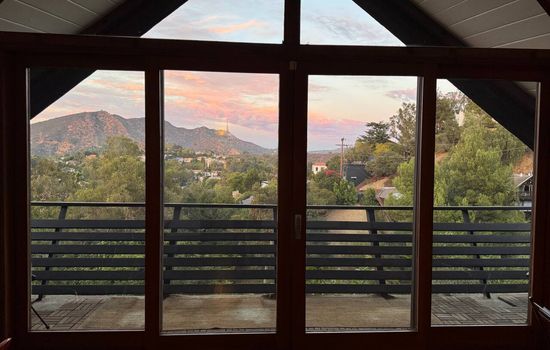
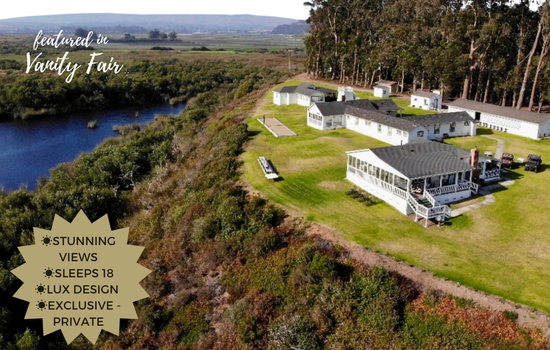
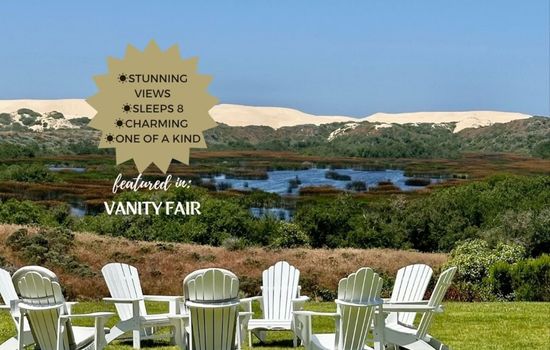
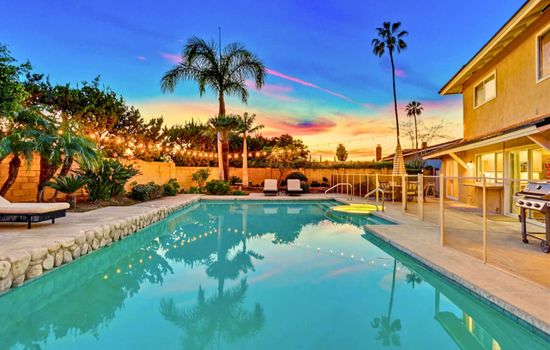
Families who plan carefully find Channel Islands highly rewarding; the Scorpion Anchorage area of Santa Cruz is well-organized for day visitors, and the island experience is genuinely different from anything available on the mainland. Groups wanting more relaxed basecamp comfort will prefer staying in Ventura or Santa Barbara, both of which offer vacation rentals from cozy multi-bedroom homes near the harbor to luxury coastal properties with beautiful Pacific views. Properties with full kitchens and outdoor spaces near Ventura Harbor give guests a comfortable base for early-morning boat departures. Book your accommodations near Channel Islands National Park through Lake.com.
Seasons
Spring brings vibrant wildflowers, especially the Giant Coreopsis, which blooms from March to early April. Enjoy mild temperatures (mid 50s to low 60s°F) despite strong winds and occasional dense fog. Witness gray whales migrating north from February to May, and Pacific harbor seal pupping on San Miguel Island. A time for adventurers, but be prepared for weather cancellations.
Summer brings warm temperatures (60s-70s°F) and clear waters, ideal for kayaking through the Painted Cave or snorkeling in kelp forests. Witness the annual seabird nesting colony on Anacapa Island, a unique summer spectacle. Mild weather makes it a perfect time to hike and camp, though it can be busy.
Experience autumn’s mild 50-60°F temperatures and sunny days. Witness seabirds and elephant seals settling into nests, and enjoy prime diving conditions with clear waters. Gray whale migration begins in mid-December, but visit in September and October for optimal weather and marine life sightings.
Winter, from December to March, brings cooler temperatures (low 60s to high 30s) and stormier weather, but also vibrant wildflowers and the annual gray whale migration, making it a unique and invigorating time to visit.
Top 3 Facts about Channel Islands National Park
Channel Islands National Park protects five islands (Anacapa, Santa Cruz, Santa Rosa, San Miguel, and Santa Barbara) and their surrounding one nautical mile of ocean, totaling 249,354 acres of which approximately half is underwater. First designated a National Monument in 1938, it became a national park on March 5, 1980. The park is recognized as a UNESCO Biosphere Reserve and is often called the Galapagos of North America: 145 plant and animal species are endemic to the islands, found nowhere else on Earth, the result of thousands of years of evolutionary isolation.
The park’s surrounding waters are among the most productive on the West Coast, supporting giant kelp forests, over 30 marine mammal species, and some of the best diving and snorkeling in California. Painted Cave on Santa Cruz Island is 1,227 feet long and among the largest sea caves in the world. Bald eagles, extirpated from the islands in the 1960s due to DDT contamination, were successfully reintroduced in 2002 and now nest on multiple islands. Point Bennett on San Miguel Island hosts up to 30,000 seals and sea lions of multiple species during certain seasons.
Access to Channel Islands is exclusively by boat or charter aircraft, with no road connections to any island. Island Packers, the park’s official boat concessionaire based in Ventura Harbor, offers crossings to all five islands ranging from approximately one hour to Santa Cruz to four hours to San Miguel. The mainland visitor center, the Robert J. Lagomarsino Visitor Center in Ventura Harbor, receives about 300,000 visitors annually but only about 30,000 visitors actually cross to the islands each year. The park received 262,581 total visitors in 2024. Sea conditions are a factor in all crossings; boats can be cancelled or rescheduled based on weather.
Family programs
- Junior Ranger
- Ranger-led Tours
- Scavenger Hunts
- Family Camping & Overnight
- Water-based Adventures
Travel Tips
Plan Ahead
Reserve Island Packers boat trips well in advance for spring and summer, especially for Santa Cruz Island on weekends. Reservations are made through islandpackers.com. Crossing times range from approximately 1 hour to Santa Cruz to 4 hours to San Miguel, and all crossings are subject to ocean conditions. Island camping requires advance reservation through recreation.gov and fills quickly for spring and summer. The mainland Ventura Harbor visitor center is open daily and free; plan a visit there before or instead of an island crossing if conditions are uncertain. Check nps.gov/chis for current island access, trail conditions, and any seasonal closures.
Pack Appropriately
Bring motion-sickness medication if susceptible to seasickness; the Santa Barbara Channel can be rough, particularly in winter and spring. Wear layered clothing for island conditions, which are typically 10 to 15 degrees cooler than the mainland. Wear sturdy closed-toe shoes for island trails, which are rocky and uneven. Bring ample water; no potable water is available on some islands, including Anacapa. Sun protection, sunglasses, and a hat are essential on exposed island terrain. Snorkelers should bring or rent wetsuits; channel water temperatures are cool year-round.
Respect Wildlife
Channel Islands protects some of the rarest and most sensitive wildlife in California. Give bald eagle nests and nesting seabird colonies a wide berth; maintain distance from any active nest. On San Miguel Island, all visits beyond the landing area require a ranger escort to protect the seal and sea lion colonies. Do not approach, feed, or disturb any marine mammals on beaches. Stay on designated trails to protect endemic island plants; footstep damage to rare vegetation is irreversible. Leashed pets are permitted on park boats and in certain mainland areas but are not allowed on the islands.
Stay Informed
Check nps.gov/chis and islandpackers.com for current island access, boat schedules, and any weather-related cancellations before your visit. Ocean swell conditions can cancel boat trips without much advance notice; have a flexible itinerary that accommodates delays. Cave kayaking is weather and swell-dependent; check conditions with local operators before booking. For park emergencies on the islands, contact park staff or the boat crew. For non-emergency park information, contact Channel Islands at (805) 658-5730.
- Area (mi²)
- 390
- Annual visitors
- 262 581
- Established year
- 1980
Accessibility & permits
Emergency

Planning a trip?
Tell us about your upcoming trip and how we can help!
Frequently Asked Questions
Ready to dive into what Channel Islands National Park has to offer? Let’s tackle some of the burning questions you might have as you plan your visit!
-
The closest city is Ventura, California, which is 70 miles north of Los Angeles and 30 miles south of Santa Barbara. Ventura Harbor is the location of the main visitor center and the departure point for most island trips.
-
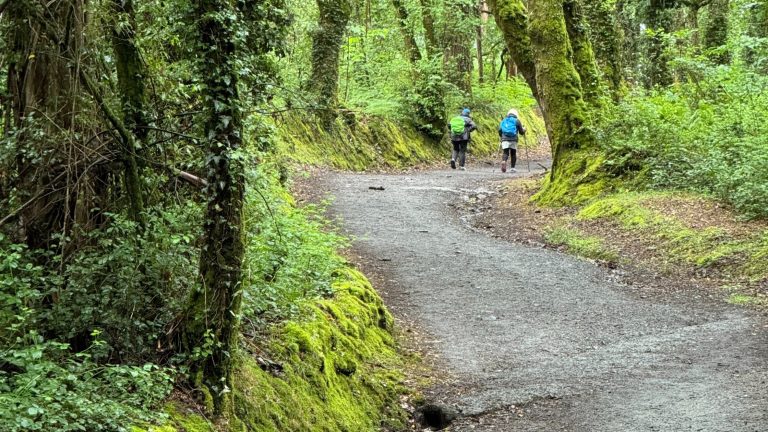
The Scorpion Canyon Loop Trail on Santa Cruz Island is a good option for kids, as it is a 4.5-mile loop trail that is fairly easy with some steep climbs. The Cavern’s Loop Point Trail, a 2-mile hike, is also suitable for all skill levels and offers scenic views. Both trails are kid-friendly and can be adapted to your family’s hiking time.
-
No, you cannot bring your dog to the park. Pets are not allowed to protect the island wildlife from diseases and parasites that dogs might carry. Only service animals are permitted.
-
Yes, parking is free at the Ventura Harbor and Harbor Cove Beach on Spinnaker Drive near the visitor center.
-
To make the most of your 24 hours, start with a boat ride from Ventura Harbor to Santa Cruz Island, where you can see dolphins, sea lions, and possibly whales. Once on the island, hike to Potato Harbor, a 2-hour easy hike with a great lookout spot, or Smugglers Cove, a slightly longer hike that takes about 4 hours round trip. You can also hike Scorpion Canyon for different landscapes and views, which takes around 2 hours. Additionally, consider snorkeling or sea kayaking for more island exploration.