Discover breathtaking vistas and serene trails in Virginia's hidden gem of natural beauty.


Discover breathtaking vistas and serene trails in Virginia's hidden gem of natural beauty.
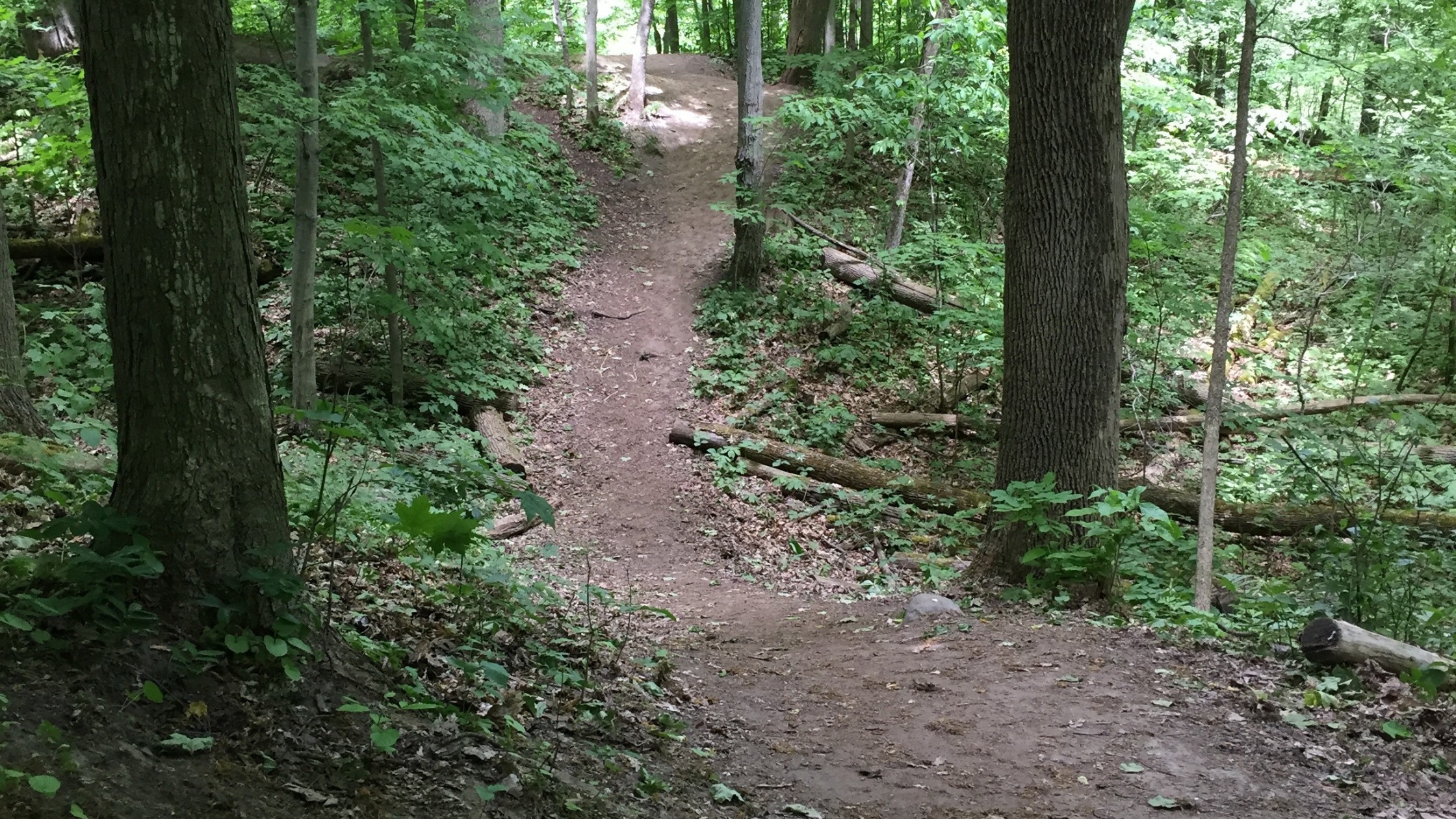
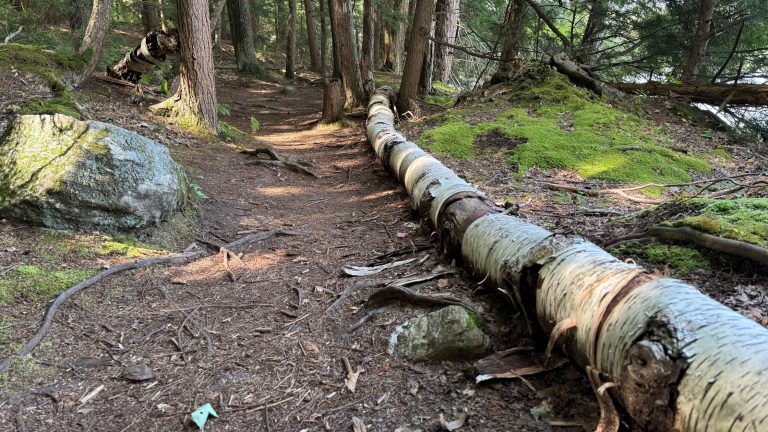
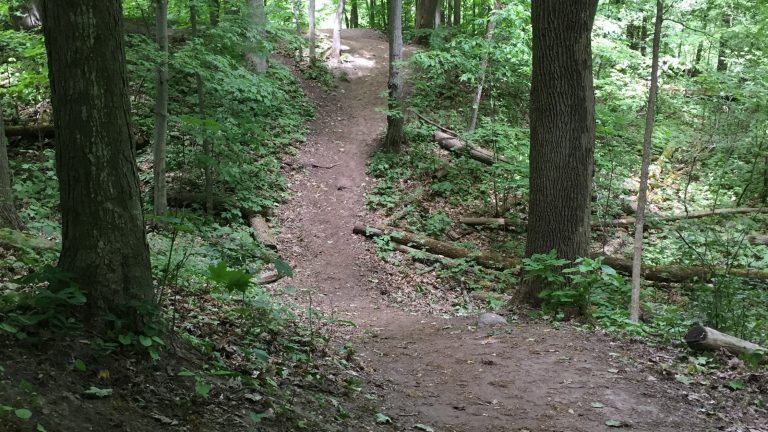
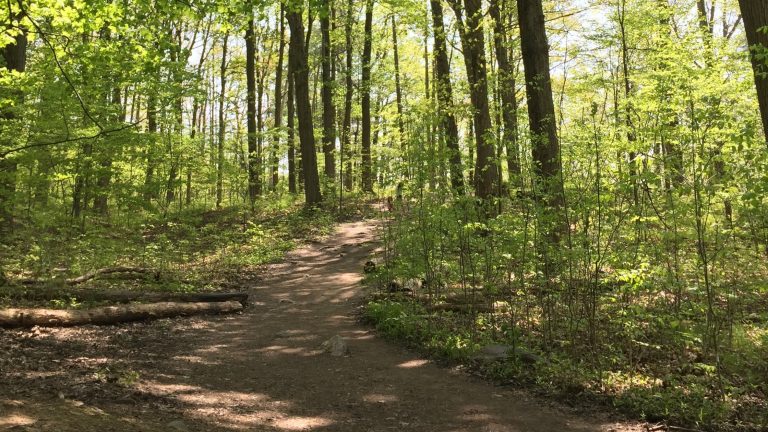
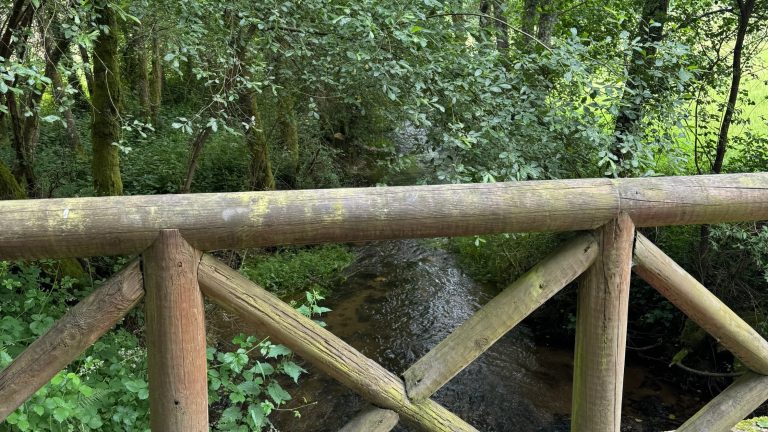
Chestnut Ridge State Natural Area Preserve in Virginia invites travelers to discover a hidden gem where nature’s beauty flourishes. This expansive preserve features rolling hills, vibrant forests, and serene streams, providing an idyllic backdrop for outdoor enthusiasts and those seeking tranquility alike. As you explore the winding trails, the rich biodiversity of the area comes to life, showcasing a variety of flora and fauna unique to the region.
The preserve is a sanctuary for wildlife, making it a perfect destination for birdwatchers and photographers. With its diverse ecosystems, visitors can spot everything from soaring hawks to delicate wildflowers. Each season transforms the landscape, offering a new palette of colors and experiences, ensuring that every visit feels fresh and invigorating.
For those looking to escape the hustle and bustle of everyday life, Chestnut Ridge State Natural Area Preserve serves as a peaceful retreat. Whether you choose to hike, picnic, or simply immerse yourself in nature, this preserve promises a rejuvenating experience that lingers long after your visit.
Seasons
In spring, the preserve’s 1,596-acre expanse of ancient oaks and diverse flora offers a serene retreat, inviting visitors to immerse themselves in its rich natural beauty.
Summer’s warm temperatures and lush greenery make June, July, and August ideal for exploring the preserve’s old-growth forests, diverse wildlife, and scenic hiking trails.
In fall, the preserve’s old-growth forests and high-elevation balds offer breathtaking views as vibrant foliage peaks from mid-October to early November, providing a serene escape into nature’s splendor.
Embrace the serene beauty of winter’s embrace, where crisp air and snow-dusted trails invite exploration, offering solitude and breathtaking vistas that are best experienced in the quiet months of December, January, and February.
Top 3 Facts about Chestnut Ridge State Natural Area Preserve
This preserve is home to the rare Eastern Box Turtle, which exhibits unique shell patterns and behaviors, and during migration seasons, visitors often spot unusual bird species like the endangered Cerulean Warbler, making it a hotspot for wildlife enthusiasts eager to witness these remarkable events.
This area experiences unique microclimates due to its varied topography, leading to sudden temperature shifts and localized weather patterns, including rare frost events in summer and unexpected thunderstorms, showcasing the complex interplay between elevation and atmospheric conditions that can astonish even seasoned meteorologists.
Known for its unique trail names like “Whispering Pines” and “Frog Hollow,” this preserve also boasts records in outdoor sports, including the longest hike completed in a single day, while enforcing unusual rules such as banning metal detectors and campfires to protect its natural beauty.
Travel Tips
Plan Ahead
Planning ahead is essential for a memorable visit to this stunning natural preserve. Check the weather forecast, pack appropriate gear, and consider arriving early to secure parking and avoid crowds. Don’t forget to bring plenty of water and snacks to keep your energy up while exploring the scenic trails and diverse wildlife. A little preparation goes a long way in enhancing your outdoor adventure.
Pack Appropriately
When packing for your visit, include a reliable pair of trekking poles to navigate the area’s varied terrain, which features steep slopes and rocky paths. These poles not only provide stability but also help conserve energy, allowing you to fully enjoy the stunning vistas and diverse wildlife without fatigue.
Respect Wildlife
Observe animals from a distance and avoid feeding them to maintain their natural behaviors. Stick to marked trails to protect their habitats and minimize disturbances. Early mornings or late afternoons offer the best chances to spot wildlife, so plan your visit accordingly. Remember, preserving the delicate ecosystem ensures that future generations can enjoy the beauty of nature.
Stay Informed
Before heading out, stay informed by checking the weather, temperatures, and any fire bans or notices. Know the emergency contact information and tell someone your destination and expected return time to ensure your safety.
Accessibility & permits
Emergency

Planning a trip?
Tell us about your upcoming trip and how we can help!
Frequently Asked Questions
Ready to dive into what Chestnut Ridge State Natural Area Preserve has to offer? Let’s tackle some of the burning questions you might have as you plan your visit!
-
The trail options at Chestnut Ridge include several well-marked hiking paths that vary in difficulty, catering to both beginner and experienced hikers. Popular trails include the Ridge Trail, which offers scenic views and moderate elevation changes, and the Valley Trail, ideal for a leisurely walk through lush vegetation. Many trails are interconnected, allowing for customizable hiking experiences based on your time and skill level.
-
Yes, camping is available at Chestnut Ridge. The campground features designated sites equipped with picnic tables and fire rings, providing a rustic experience surrounded by nature. Reservations are recommended, especially during peak seasons, to ensure a spot.
-
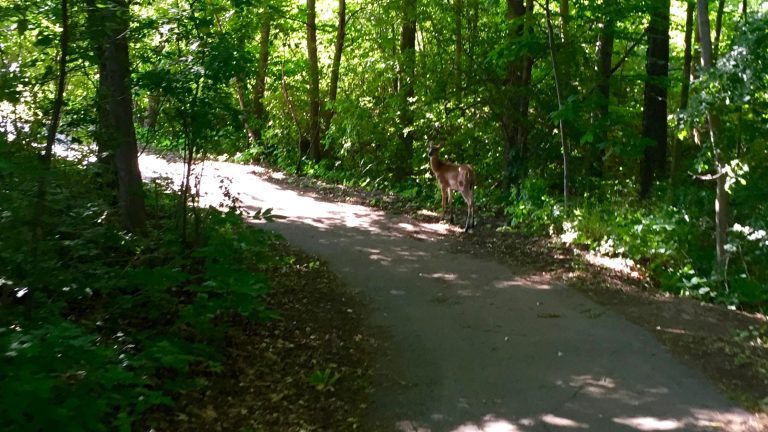
Wildlife enthusiasts will be delighted by the diverse fauna at Chestnut Ridge. Common sightings include deer, wild turkeys, and various bird species, such as songbirds and raptors. The area is also home to smaller mammals and a variety of reptiles and amphibians, making it a great spot for nature observation.
-
Facilities at Chestnut Ridge include restrooms, picnic areas, and information kiosks. There are also designated parking areas for visitors. However, amenities are limited, so it’s advisable to bring your own supplies, especially for longer visits.
-
The best time to visit Chestnut Ridge is during the spring and fall. In spring, the wildflowers bloom, creating a vibrant landscape, while fall offers stunning foliage. Temperate weather during these seasons enhances the hiking experience, making it enjoyable for outdoor activities.