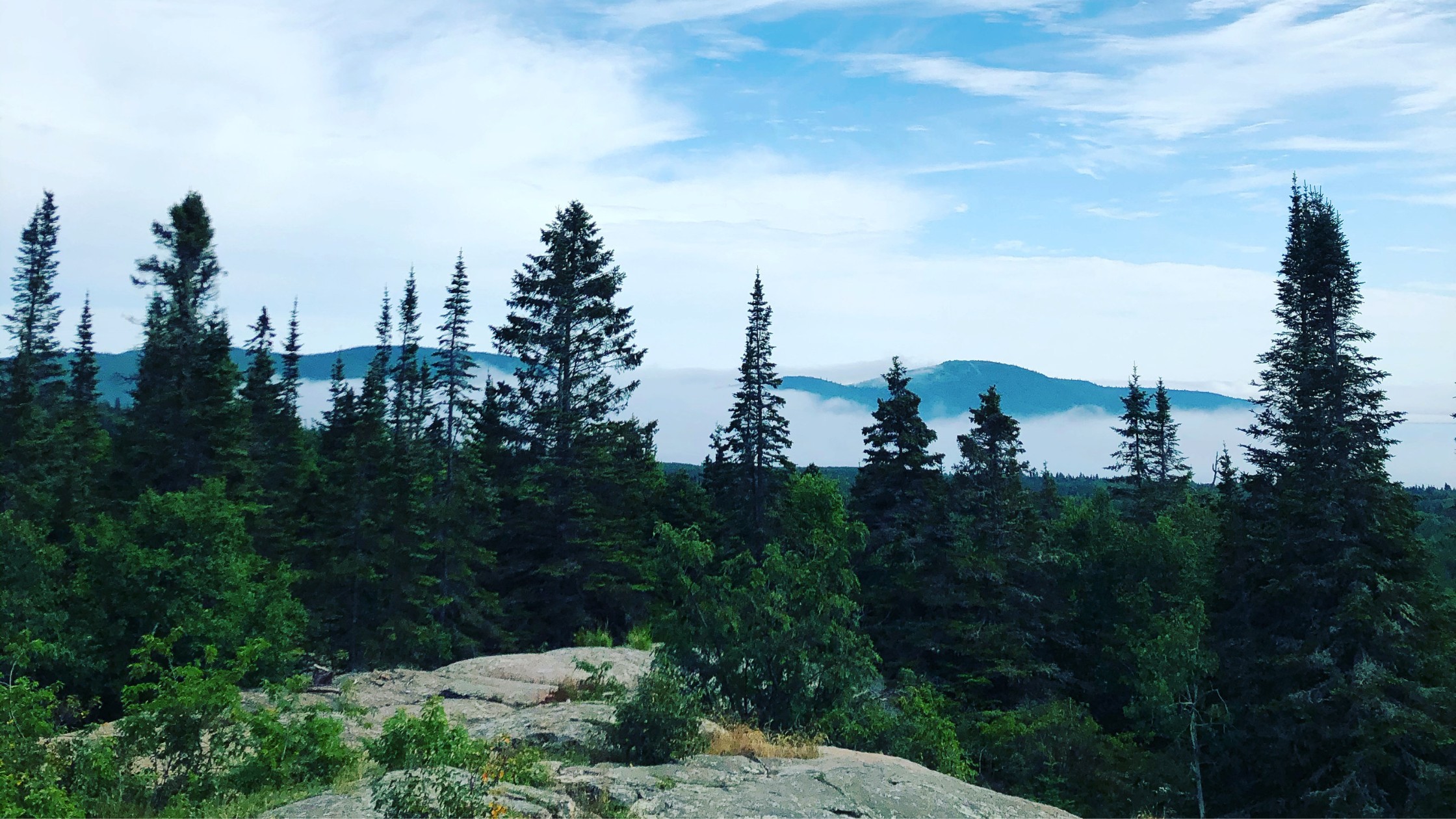
Discover breathtaking coastal views and hidden coves in this stunning California gem.

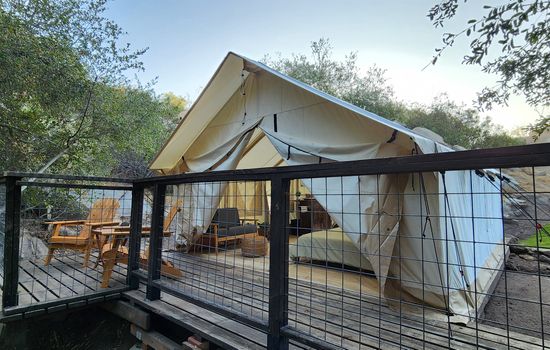


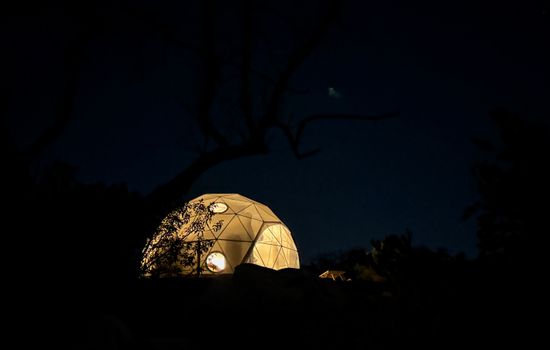






Discover breathtaking coastal views and hidden coves in this stunning California gem.
Crystal Cove State Park, a hidden gem along California’s stunning coastline, invites travelers to immerse themselves in its breathtaking landscapes. With over three miles of pristine beaches and a backdrop of rolling hills, this sanctuary is a paradise for nature enthusiasts and beach lovers alike. The park’s rugged terrain offers a variety of trails, perfect for hiking and exploring the diverse ecosystems that thrive here.
Visitors can wander through the enchanting tide pools, where vibrant marine life reveals the secrets of the Pacific Ocean. For those seeking adventure, the park provides opportunities for kayaking and snorkeling, allowing guests to experience the underwater beauty of the area. As the sun sets, the golden hues cast a magical glow over the shoreline, creating an unforgettable backdrop for evening strolls.
Crystal Cove State Park also features historic beach cottages that transport guests back in time. These charming structures, available for rent, offer a unique lodging experience that combines rustic charm with modern comforts. Whether you seek relaxation or adventure, Crystal Cove promises an extraordinary escape in California’s natural paradise.
Seasons
In spring, the coastal sage scrub bursts into bloom, showcasing wildflowers such as poppies, lupines, and California sunflowers, creating a picturesque backdrop for outdoor enthusiasts.
During the summer months, the park’s pristine beaches and gentle waves create an ideal setting for swimming, surfing, and exploring tide pools, while its extensive network of trails offers hikers and mountain bikers a chance to traverse diverse landscapes, from coastal bluffs to inland canyons.
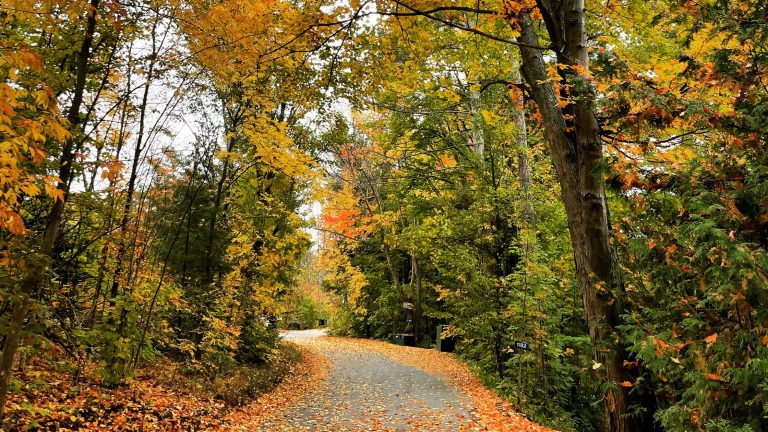
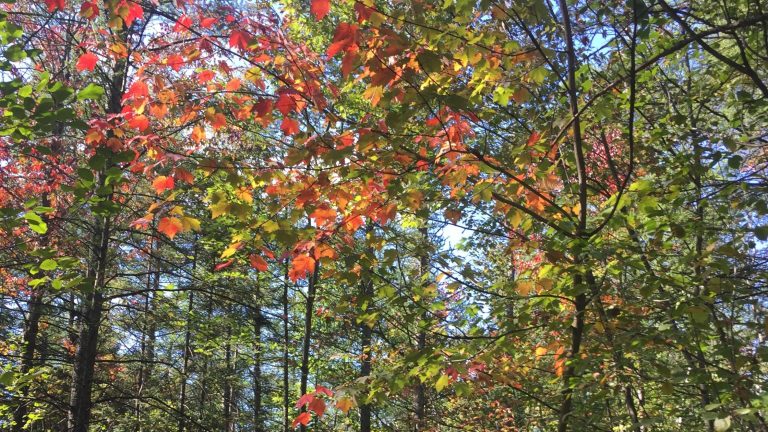
In fall, the park’s trails beckon with warm hues, offering serene hikes and mountain biking amidst cooler temperatures, while the ocean’s calm invites swimmers and surfers to enjoy its gentle waves.
Winter’s mild temperatures and serene landscapes offer a tranquil retreat, with opportunities for birdwatching, guided hikes, and festive beach bonfires, making December through February an ideal time to visit.
Top 3 Facts about Crystal Cove State Park
Among the diverse ecosystems, unusual sightings of the rare California gnatcatcher, a tiny endemic bird, highlight the region’s unique wildlife, while the mesmerizing migration of monarch butterflies showcases the area as a critical stopover for these delicate creatures on their long journey to warmer climates.
This coastal region experiences unique microclimates due to its varied topography, where just a few miles can shift temperatures dramatically, creating conditions for rare fog formations and distinct ecosystems, alongside storm-related phenomena like sudden tidal surges that reshape the shoreline and influence local wildlife.
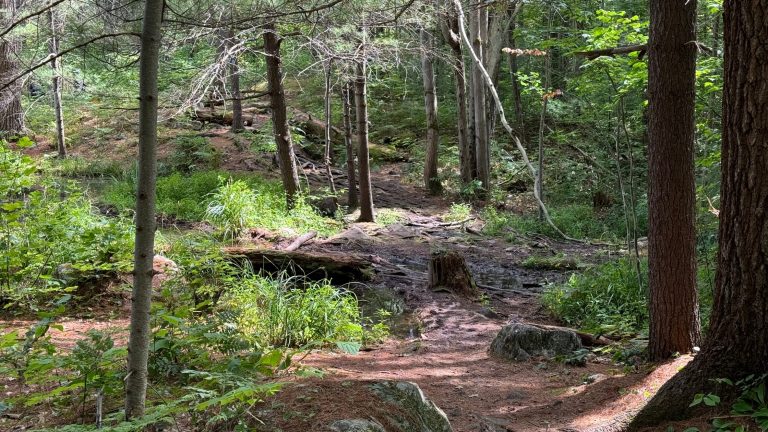
Known for its stunning coastal views, this park features the bizarrely named “Muddy Trail” and enforces unusual rules like banning alcohol and fires, while also being a popular spot for first-time surfers tackling the Pacific waves, making it a unique destination for outdoor enthusiasts.
Travel Tips
Plan Ahead
To make the most of your visit, plan ahead by checking tide schedules and weather forecasts. Arrive early to secure parking and enjoy the serene beaches before the crowds arrive. Bring plenty of water, snacks, and sunscreen, and consider exploring the scenic trails for stunning ocean views. Don’t forget your camera to capture the breathtaking sunsets!
Pack Appropriately
When packing for your coastal adventure, include layers to adapt to the park’s microclimates, as temperatures can shift dramatically from the beach to the inland trails. Don’t forget a reusable water bottle; staying hydrated is crucial while exploring the diverse terrain, and you can refill at various points along the way to minimize waste.
Respect Wildlife
When exploring the coastal trails and sandy shores, keep a respectful distance from wildlife. Observe animals like sea otters and tide pool creatures without disturbing their natural habitats. Avoid feeding them, as human food can harm their health and disrupt their behaviors. By practicing responsible wildlife viewing, you help preserve the delicate ecosystem for future generations to enjoy.
Stay Informed
Before your visit, check the weather forecast, temperatures, and any fire bans or notices. Always inform someone about your destination and expected return time, and keep emergency contact information handy. Staying informed will ensure a safe and enjoyable experience in the great outdoors.
Accessibility & permits
Emergency

Planning a trip?
Tell us about your upcoming trip and how we can help!
Frequently Asked Questions
Ready to dive into what Crystal Cove State Park has to offer? Let’s tackle some of the burning questions you might have as you plan your visit!
-
The best hiking trails in Crystal Cove State Park include the Moro Canyon Trail, which offers stunning coastal views and a moderate challenge, and the El Moro Trail, known for its diverse terrain and scenic vistas. The Laguna Ridge Trail provides a more strenuous hike with panoramic views of the ocean and surrounding hills.
-
To access tide pools at Crystal Cove, head to the beach at low tide, particularly near the northern end of the park. Look for signs indicating tide pool access points, and be sure to check tide schedules to ensure the best viewing experience.
-
Dogs are allowed in certain areas of Crystal Cove State Park, but they must be leashed at all times. Canines are not permitted on the beach or in the backcountry trails, so it’s essential to stick to designated dog-friendly areas.
-
Parking at Crystal Cove State Park is available at the Los Trancos parking lot and the Pacific Coast Highway entrance. A parking fee is required, so be sure to have cash or a credit card handy. Arrive early, especially on weekends, as spots fill up quickly.
-
The weather forecast for Crystal Cove State Park typically features mild temperatures year-round, with summer highs averaging around 75°F and winter lows averaging around 50°F. Coastal fog may occur in the mornings, especially during summer months, so layering is recommended.