Discover breathtaking vistas and serene trails in this hidden gem of nature.
Discover breathtaking vistas and serene trails in this hidden gem of nature.
Daroga State Park in Washington offers an exquisite escape for travelers seeking both tranquility and adventure. Situated along the banks of the Columbia River, this hidden gem showcases the region’s stunning natural beauty, with expansive views of rolling hills and lush landscapes. The park’s diverse terrain invites outdoor enthusiasts to explore its well-maintained trails, perfect for hiking, biking, and horseback riding.
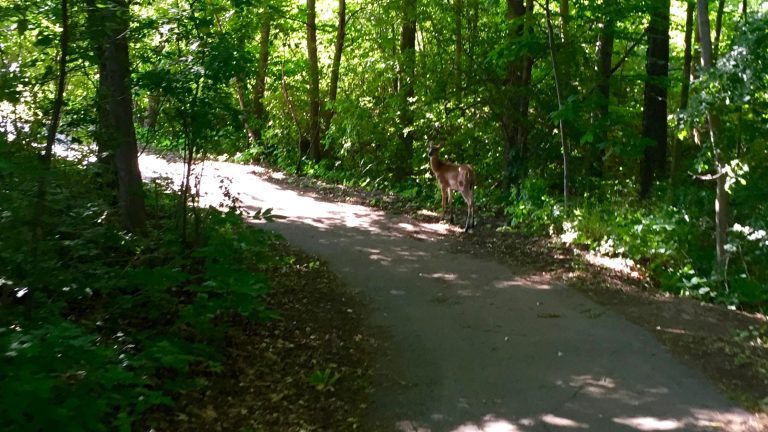
Visitors can indulge in a variety of recreational activities, from fishing and swimming in the river to picnicking in scenic spots. The park’s spacious campsites provide a perfect setting for stargazing, allowing guests to immerse themselves in the serene night sky. With its rich wildlife, including deer and numerous bird species, Daroga State Park is a haven for nature lovers.
For those seeking a luxurious touch, nearby wineries and charming towns offer delightful culinary experiences, making it easy to blend relaxation with exploration. Whether you are unwinding by the water or embarking on a hiking adventure, Daroga State Park promises an unforgettable getaway.
Seasons
In spring, this verdant oasis along the Columbia River offers blooming wildflowers, tranquil lagoons perfect for paddling, and scenic trails that beckon hikers and nature enthusiasts alike.
Summer at this Central Washington oasis offers warm temperatures, abundant sunshine, and a variety of outdoor activities, making June, July, and August ideal for camping, boating, and hiking.
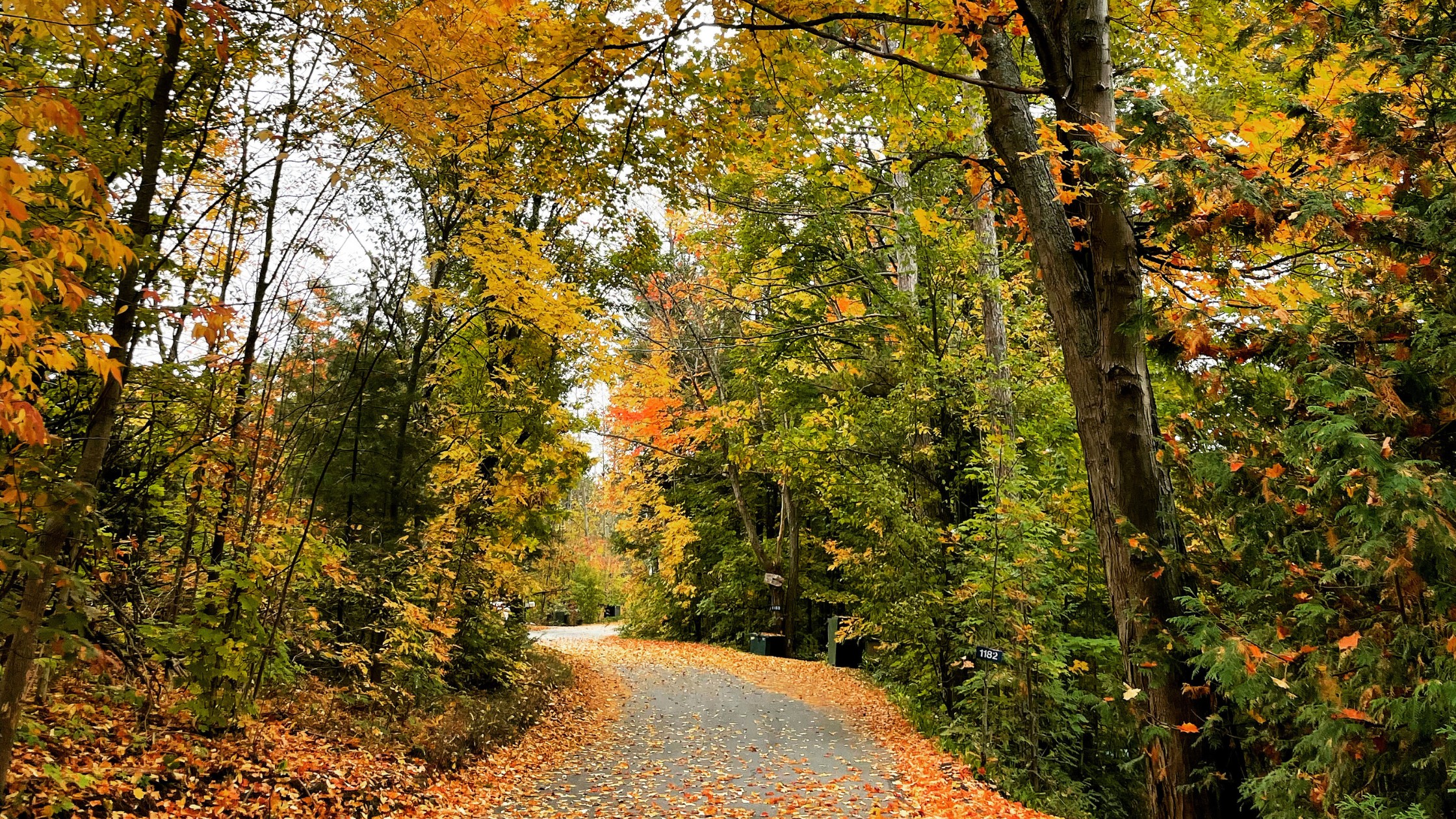
In September, October, and November, the park’s serene lagoon and scenic trails offer a tranquil retreat amid the vibrant hues of autumn, ideal for boating, fishing, and leisurely walks.
Experience the serene beauty of the Columbia River’s shoreline, where winter’s quiet embrace offers unparalleled birdwatching and peaceful solitude, making December through February the perfect time to visit.
Top 3 Facts about Daroga State Park
This region is known for unusual animal sightings, including the rare western gray squirrel, and hosts significant migration events where thousands of waterfowl gather, creating a stunning spectacle as they travel in intricate formations, showcasing the area’s unique biodiversity and ecological importance.
In a unique microclimate, this region experiences extreme temperature variations, with summer highs soaring above 100°F and winter lows plummeting below 0°F, creating a habitat for unusual flora and fauna, while storm-related phenomena often lead to sudden, localized downpours, enhancing the area’s ecological diversity.
Known for its unique trail named “The Dragon’s Backbone,” this park also prohibits the use of drones and has a record for hosting the first annual kayak race on the Columbia River, attracting outdoor enthusiasts and adventure seekers alike.
Travel Tips
Plan Ahead
Planning ahead is essential for a seamless visit to this stunning natural gem. Check trail conditions, pack plenty of water and snacks, and arrive early to secure parking. Consider the season, as wildlife sightings and scenery vary dramatically throughout the year. With proper preparation, you can fully immerse yourself in the breathtaking landscapes and outdoor activities that await.
Pack Appropriately
When packing for your trip, include a pair of water shoes for exploring the Columbia River’s rocky shores and hidden coves. The diverse terrain can surprise you, so a lightweight backpack for your essentials, along with layers to adapt to the shifting weather, will ensure a comfortable and enjoyable adventure in this stunning region.
Respect Wildlife
Respect wildlife by observing animals from a distance and avoiding feeding them. Keep trails clear and stay on designated paths to protect their habitats, ensuring a safe environment for both visitors and creatures alike. Remember, your actions can impact the delicate balance of this ecosystem, so prioritize responsible behavior during your outdoor adventures.
Stay Informed
Stay informed before your visit by checking the weather, temperatures, and any fire bans or notices. Familiarize yourself with emergency contact information, and always inform someone of your destination and expected return time to ensure safety during your outdoor adventure.
Accessibility & permits
Emergency

Planning a trip?
Tell us about your upcoming trip and how we can help!
Frequently Asked Questions
Ready to dive into what Daroga State Park has to offer? Let’s tackle some of the burning questions you might have as you plan your visit!
-
Daroga State Park offers a variety of activities including hiking, picnicking, fishing, and swimming in the Columbia River. Visitors can enjoy scenic views while exploring the park’s trails and engaging in outdoor recreational activities.
-
Yes, camping is permitted at Daroga State Park. The park features designated camping areas with amenities such as restrooms and picnic tables, making it a great spot for both tent and RV camping.
-
Pets are allowed in Daroga State Park, but they must be kept on a leash and cleaned up after. It’s important to ensure that pets do not disturb wildlife or other visitors.
-
The best time to visit Daroga State Park is during the spring and fall months when temperatures are mild, and the park is less crowded. Summer is also popular for water activities, but it can get busy.
-
To get to Daroga State Park, take Interstate 90 and exit at US Highway 97 North. Follow the signs towards the park, which is located along the Columbia River, approximately 15 miles north of the city of Wenatchee.