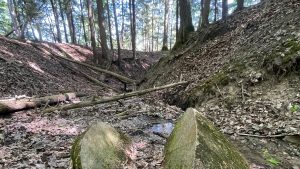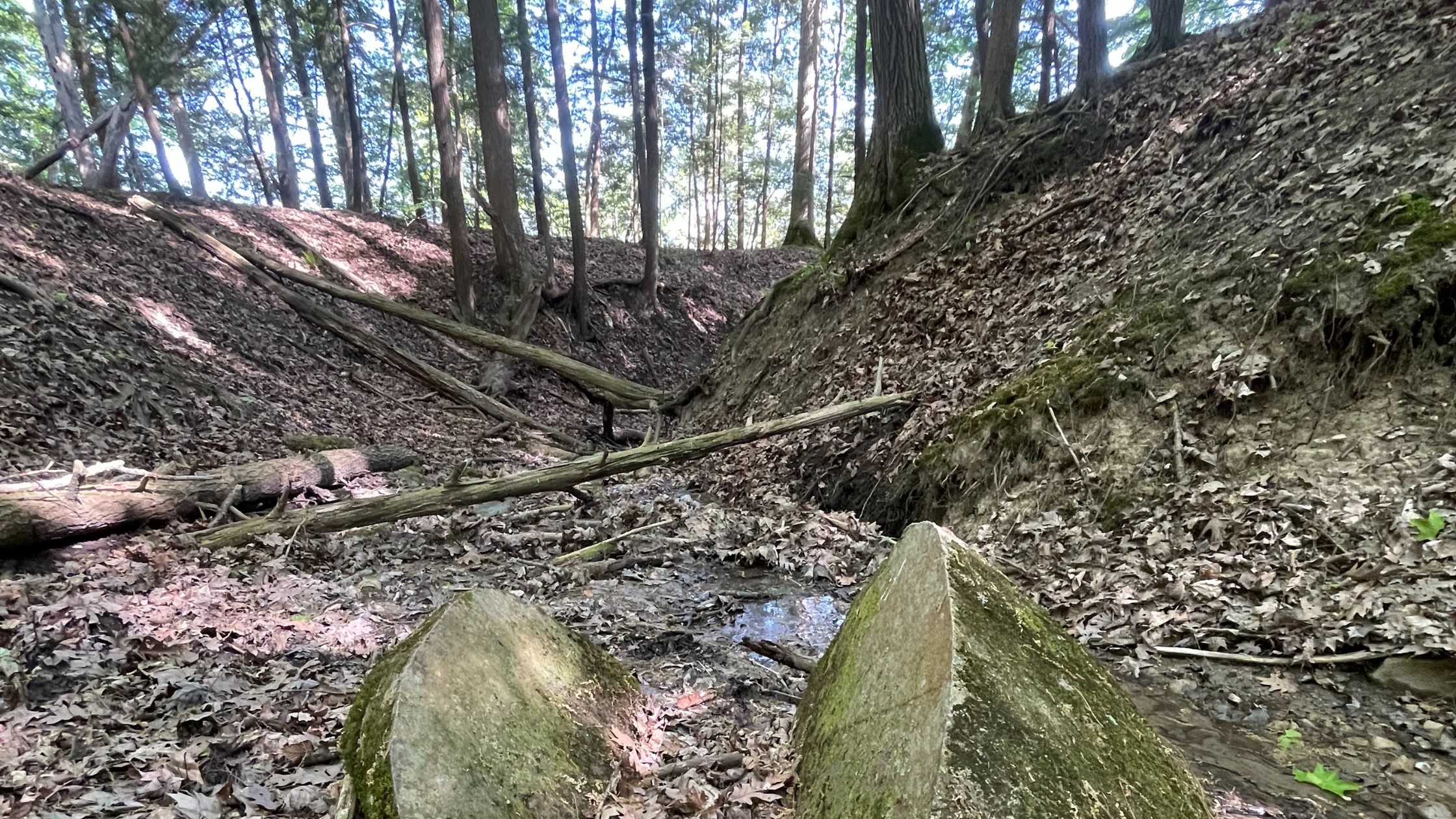
Discover the natural beauty and rich history of Tennessee's outdoor gem.
Discover the natural beauty and rich history of Tennessee's outdoor gem.
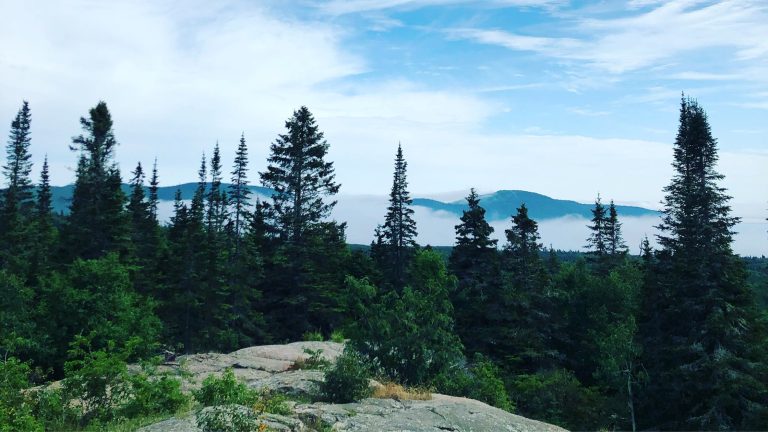
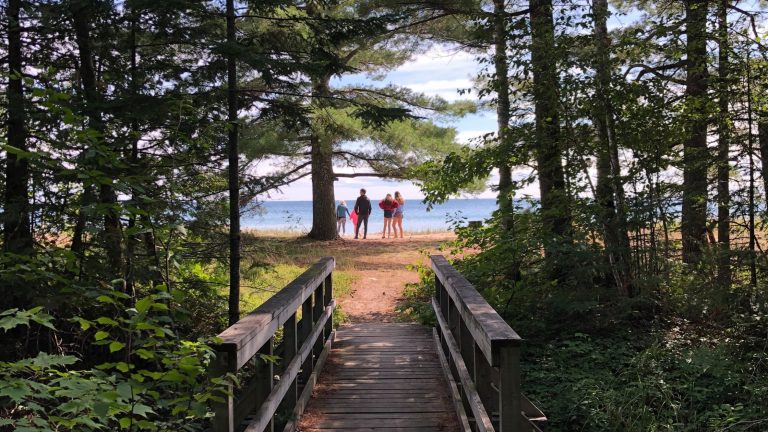
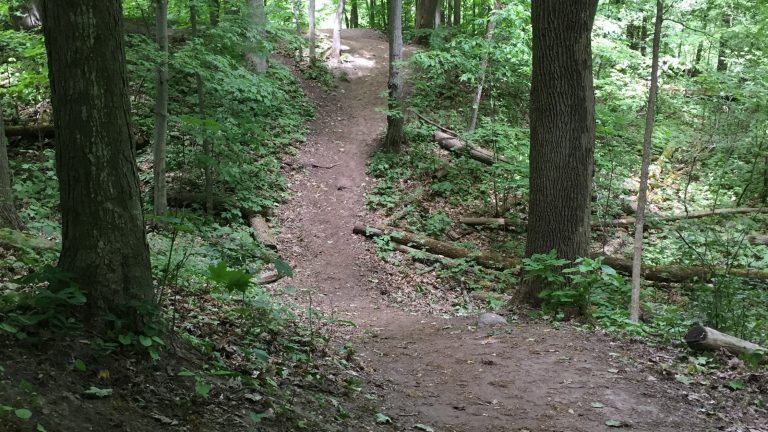
David Crockett State Park in Tennessee invites travelers to immerse themselves in the splendor of nature while enjoying a rich historical tapestry. Named after the legendary frontiersman and folk hero, the park sprawls across 1,300 acres of lush woodlands and serene waterways, offering a perfect escape for those seeking both adventure and tranquility. Its scenic hiking trails wind through diverse ecosystems, leading to breathtaking views that captivate the senses.
Visitors can explore the park’s tranquil lakes, ideal for fishing and kayaking, or engage in a leisurely picnic amidst the towering trees. The park’s visitor center showcases artifacts and exhibits that pay homage to David Crockett’s legacy, providing a fascinating glimpse into the life of this iconic figure.
For those looking to extend their stay, the park offers charming cabins and campsites, allowing guests to fully embrace the natural surroundings. Whether you seek an active getaway or a peaceful retreat, David Crockett State Park promises a memorable experience steeped in beauty and history.
Seasons
Spring’s gentle warmth and blooming landscapes invite visitors to explore the park’s scenic trails, enjoy fishing on the tranquil lake, and immerse themselves in the rich history of the area.
Summer at this Tennessee park offers swimming in an Olympic-sized pool, boating on a 40-acre lake, and hiking trails with scenic vistas, making June through August ideal for outdoor enthusiasts.
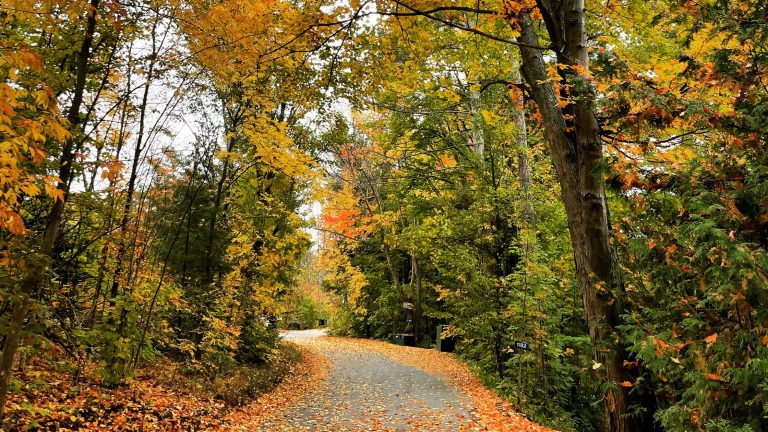
In fall, the park’s trails wind through vibrant foliage, offering serene hikes and picturesque views, while cooler temperatures and festive events in September, October, and November enhance the experience.
Winter’s embrace transforms this Tennessee haven into a serene retreat, offering cozy cabin stays, tranquil hikes, and festive events that capture the season’s charm.
Top 3 Facts about David Crockett State Park
An unusual sighting at this park includes the rare red-cockaded woodpecker, a species that relies on mature pine forests for nesting, while the annual migration of thousands of monarch butterflies showcases the region’s significance as a crucial stopover for these iconic pollinators.
One fascinating phenomenon is the occurrence of microclimates, where small areas experience significantly different weather conditions due to variations in topography, vegetation, and water bodies, leading to unique ecosystems and surprising temperature differences even within short distances.
Home to the first recorded canoe race on the Duck River, this park features the bizarrely named “Coon Creek Trail” and unusual rules prohibiting the use of metal detectors and the collection of natural resources, ensuring preservation while promoting unique outdoor experiences.
Travel Tips
Plan Ahead
To fully enjoy your visit, plan ahead by checking trail conditions and weather forecasts. Arrive early to secure a good parking spot, especially on weekends, and consider packing a picnic to savor amidst the stunning scenery. Don’t forget to bring plenty of water and wear sturdy shoes for exploring the diverse landscapes and wildlife.
Pack Appropriately
When packing for your visit, include a sturdy pair of water shoes for exploring the creek beds and riverbanks, as the area features beautiful but slippery stones. Also, don’t forget to bring a lightweight rain jacket; sudden showers are common in the region, especially during the spring and fall, ensuring you stay comfortable while enjoying the lush surroundings.
Respect Wildlife
Respect the diverse wildlife by observing animals from a distance and refraining from feeding them. Keep to marked trails to protect habitats and ensure a safe experience for both visitors and creatures. Remember, the best memories come from quiet moments spent watching nature thrive in its own environment.
Stay Informed
Before your visit, stay informed by checking the weather, temperatures, and any fire bans or notices. Make sure to know emergency contact information, and always tell someone your destination and expected return time to ensure your safety while exploring.
Accessibility & permits
Emergency

Planning a trip?
Tell us about your upcoming trip and how we can help!
Frequently Asked Questions
Ready to dive into what David Crockett State Park has to offer? Let’s tackle some of the burning questions you might have as you plan your visit!
-
What are the main attractions at David Crockett State Park?
-
David Crockett State Park features a variety of attractions including hiking trails, fishing opportunities, a picturesque lake, and historical sites dedicated to the life of Davy Crockett. The park offers over 10 miles of hiking trails that wind through beautiful landscapes, making it ideal for both casual walkers and serious hikers. Visitors can also enjoy picnicking areas, a swimming pool, and a visitor center that provides information on the park’s history and ecology.
-
What activities can I do at David Crockett State Park?
-
Visitors can engage in numerous activities such as hiking, fishing, swimming, and camping. The park’s lake is perfect for canoeing and kayaking, while the well-maintained trails offer opportunities for birdwatching and wildlife observation. Seasonal events and educational programs are also available, enhancing the visitor experience.
-
Are there camping facilities at David Crockett State Park?
-
Yes, David Crockett State Park has a well-equipped campground with both tent and RV sites. Amenities include restrooms, showers, and picnic tables. Reservations are recommended during peak seasons to secure a spot. The campground is conveniently located near the park’s main attractions, providing easy access to outdoor activities.
-
What is the best time to visit David Crockett State Park?
-
The best times to visit are during the spring and fall when temperatures are mild, and the foliage is vibrant. Spring offers blooming wildflowers, while fall showcases stunning autumn colors. Summer can be hot, but it’s also the peak season for swimming and fishing. Winter visits are quieter, ideal for those seeking solitude.
-
How do I get to David Crockett State Park?
-
David Crockett State Park is located off Highway 41 in Lawrenceburg, Tennessee. It is easily accessible by car, with ample parking available at the park entrance. The nearest major city is Nashville, approximately 90 miles to the north, making it a convenient getaway for both locals and tourists.