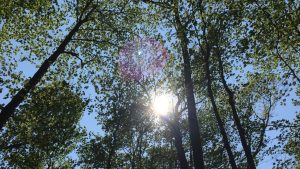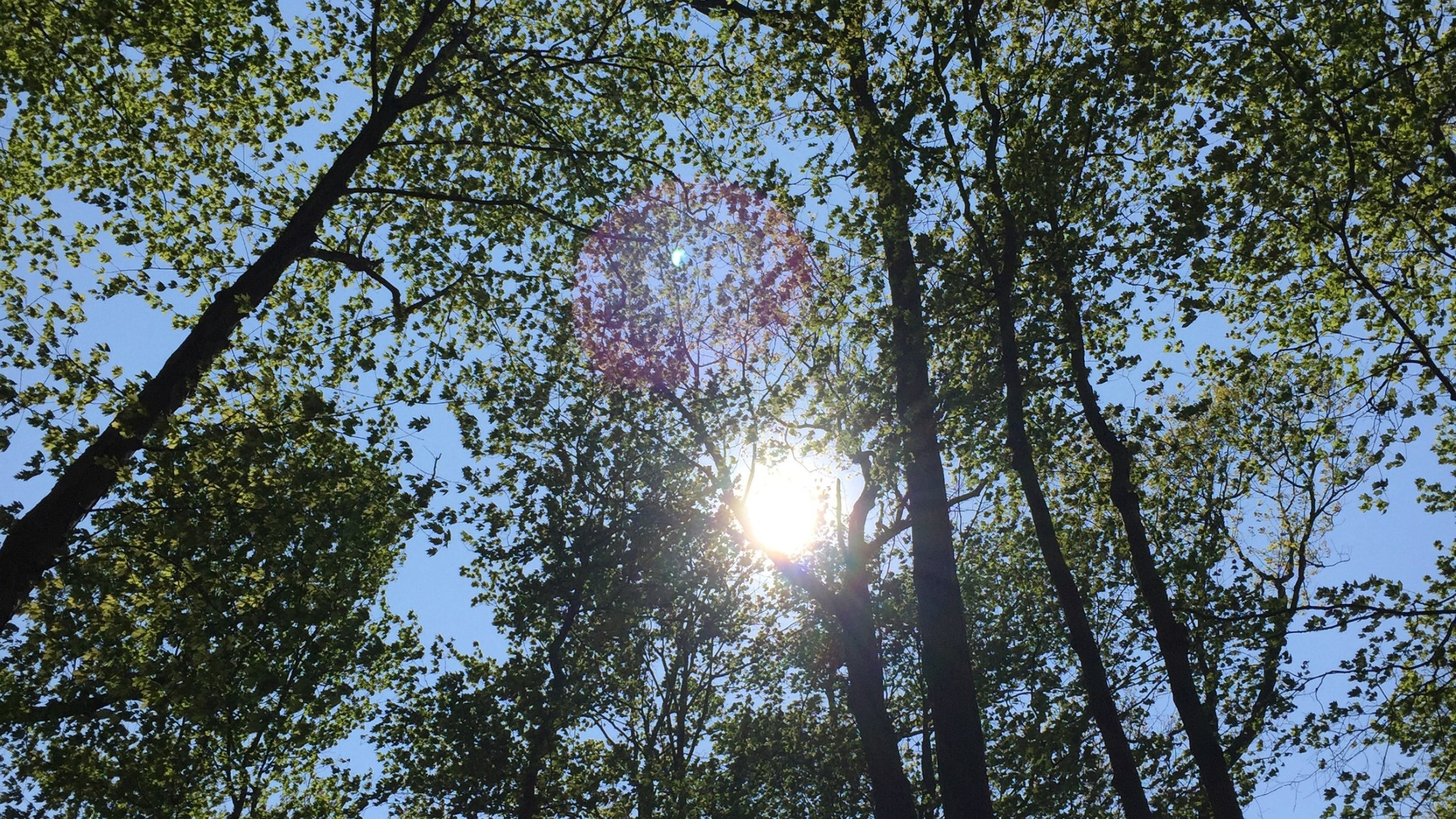
Discover serene beauty and endless adventure in this hidden gem of nature.
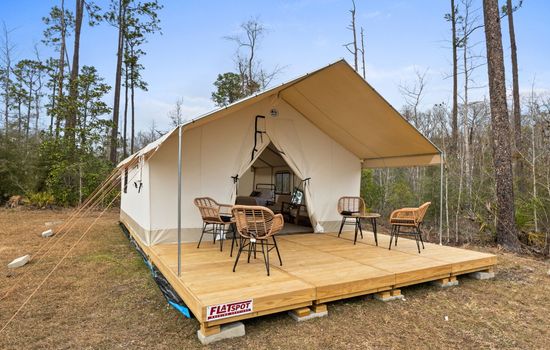
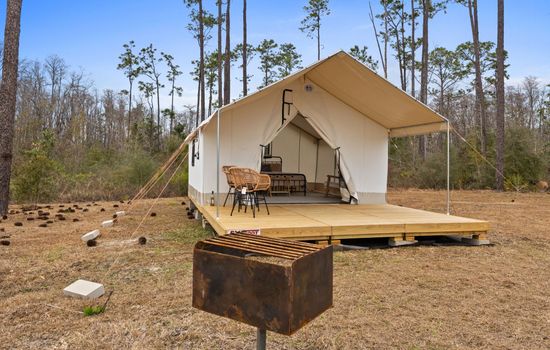












Discover serene beauty and endless adventure in this hidden gem of nature.
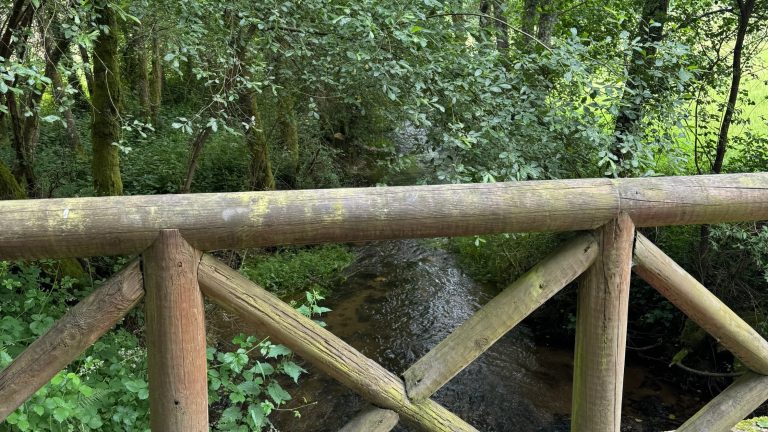
Dead Lakes Park in Florida offers an enchanting escape into nature’s embrace, where the serene beauty of the waterways captivates every visitor. This hidden gem features a labyrinth of cypress swamps and lush wetlands, making it a perfect destination for those seeking tranquility and adventure. Kayaking through the park’s winding channels reveals a vibrant ecosystem teeming with wildlife, from graceful herons to playful otters.
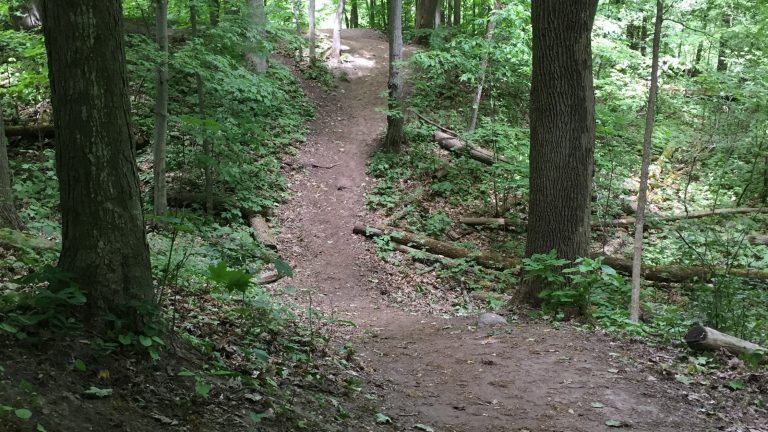
The park’s extensive trails invite hikers and cyclists to explore its diverse landscapes, with each turn revealing stunning vistas and the soothing sounds of nature. Birdwatchers will find paradise here, as the area is home to a remarkable variety of avian species. The changing seasons bring unique experiences, with vibrant blooms in spring and the rich colors of autumn foliage painting the scenery.
For those looking to unwind, Dead Lakes Park provides ample picnic spots where visitors can savor a meal amidst the natural beauty. Whether you’re an outdoor enthusiast or simply seeking a peaceful retreat, this exquisite park promises an unforgettable experience.
Seasons
In spring, the 6,700-acre Dead Lakes in Wewahitchka, Florida, offer serene kayaking through cypress swamps, abundant wildlife sightings, and the chance to witness the blooming of white tupelo trees, renowned for producing the region’s famous tupelo honey.
Summer’s warm temperatures and abundant sunshine make June, July, and August ideal for exploring the 6,700-acre Dead Lakes, offering exceptional fishing, kayaking, and hiking opportunities.
In fall, the park’s cooler temperatures and reduced humidity create ideal conditions for paddling through its mysterious 6,700-acre swamp forest, offering a serene escape from the summer heat.
Experience the serene beauty of Florida’s Gulf Coast in winter, where mild temperatures and abundant wildlife create an ideal setting for outdoor adventures and peaceful retreats.
Top 3 Facts about Dead Lakes Park
One intriguing fact is that the area hosts rare species like the Florida panther and unusual animal sightings, including the elusive Eastern indigo snake, while also serving as a crucial stopover for migratory birds, showcasing the rich biodiversity and unique wildlife interactions in this ecosystem.
In certain regions, microclimates can create dramatic temperature differences over short distances, where one area may experience a sunny day while just a few miles away, another area is under heavy rainfall, showcasing nature’s ability to create localized weather phenomena influenced by topography and vegetation.
Nestled in a serene landscape, this park boasts the remarkable record of hosting the first annual mud run in the region, while its bizarrely named “Screaming Eagle Trail” intrigues hikers, and unusual rules prohibit the use of motorized vehicles, ensuring a tranquil outdoor experience.
Travel Tips
Plan Ahead
To make the most of your visit, plan your trip during the cooler months for comfortable outdoor exploration. Arrive early to secure a prime parking spot and enjoy the tranquility before the crowds arrive. Bring plenty of water, sunscreen, and insect repellent, as the lush surroundings can attract bugs. Lastly, consider packing a picnic to savor amidst the scenic views.
Pack Appropriately
When packing for your trip, consider including a pair of waterproof shoes. The park’s unique ecosystem features wetland areas that can be unexpectedly muddy, especially after rain. A lightweight poncho is also a smart addition, as sudden showers can sweep through, allowing you to enjoy the lush scenery without getting soaked.
Respect Wildlife
When exploring this beautiful natural area, prioritize respecting local wildlife by observing animals from a distance and refraining from feeding them. Keep to designated trails to protect their habitats and avoid disturbing nesting sites, ensuring that future visitors can enjoy the diverse ecosystems and abundant species that call this region home.
Stay Informed
Before your visit, check the weather, temperatures, and any fire bans or notices to ensure a safe experience. Inform someone of your plans, including your destination and expected return time, and make sure to have emergency contact information on hand. Staying informed helps keep you and others safe while enjoying the great outdoors.
Accessibility & permits
Emergency

Planning a trip?
Tell us about your upcoming trip and how we can help!
Frequently Asked Questions
Ready to dive into what Dead Lakes Park has to offer? Let’s tackle some of the burning questions you might have as you plan your visit!
-
Dead Lakes Park offers a variety of activities including hiking, bird watching, kayaking, and canoeing, making it perfect for outdoor enthusiasts. The park features several trails and scenic views of the lakes, ideal for photography and nature walks.
-
Yes, Dead Lakes Park has camping facilities available, with designated sites for tents and RVs. Amenities include picnic tables, fire rings, and restrooms, providing a comfortable experience for campers. Reservations may be required during peak seasons.
-
Visitors to Dead Lakes Park can expect to see diverse wildlife such as alligators, various bird species including herons and egrets, and a range of fish in the waters. The park’s natural habitat supports a rich ecosystem, making it a great spot for wildlife observation.
-
To navigate the waterways at Dead Lakes Park, visitors can rent kayaks or canoes from local outfitters. The waterways are interlinked, allowing for exploration of the lakes and channels. It’s advisable to bring a map or use a GPS device to enhance navigation.
-
Yes, fishing is permitted at Dead Lakes Park. Anglers can fish from the shore or from kayaks and boats. The lakes are home to species such as bass, catfish, and panfish, making it a popular spot for both novice and experienced fishermen.