Discover a hidden paradise teeming with wildlife and breathtaking natural beauty.

Discover a hidden paradise teeming with wildlife and breathtaking natural beauty.
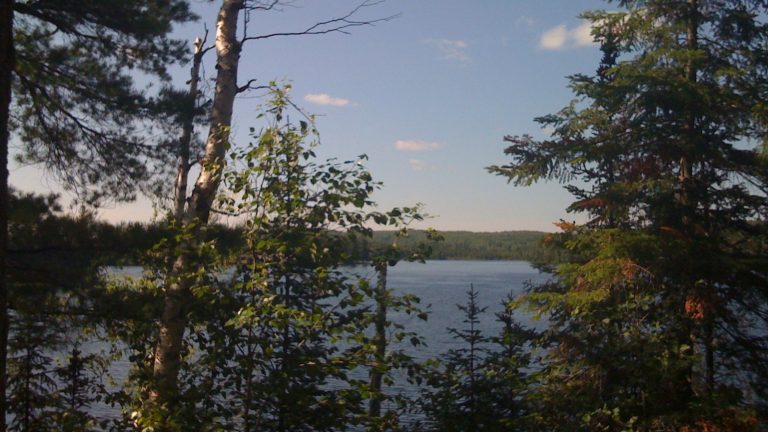
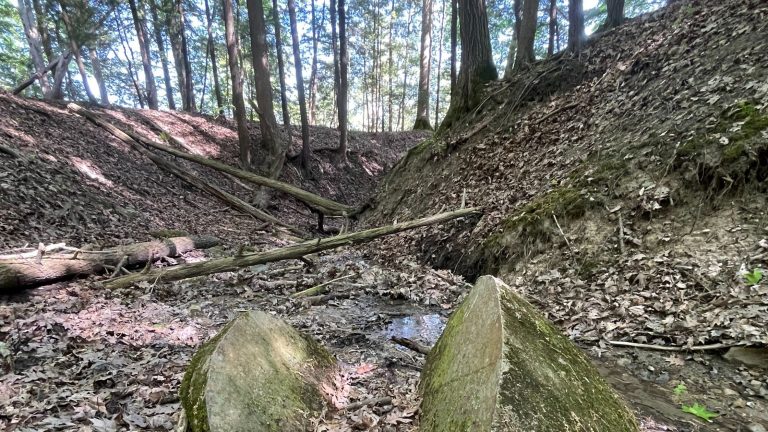
Devil’s Hammock Wildlife Management Area in Florida offers a captivating escape into the heart of nature, where the tranquility of the wilderness invites exploration. This expansive area, rich in biodiversity, serves as a sanctuary for wildlife enthusiasts and outdoor adventurers alike. From the moment you step onto its trails, the symphony of chirping birds and rustling leaves envelops you, creating an immersive experience that feels worlds away from urban life.
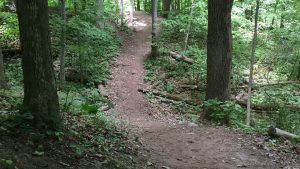
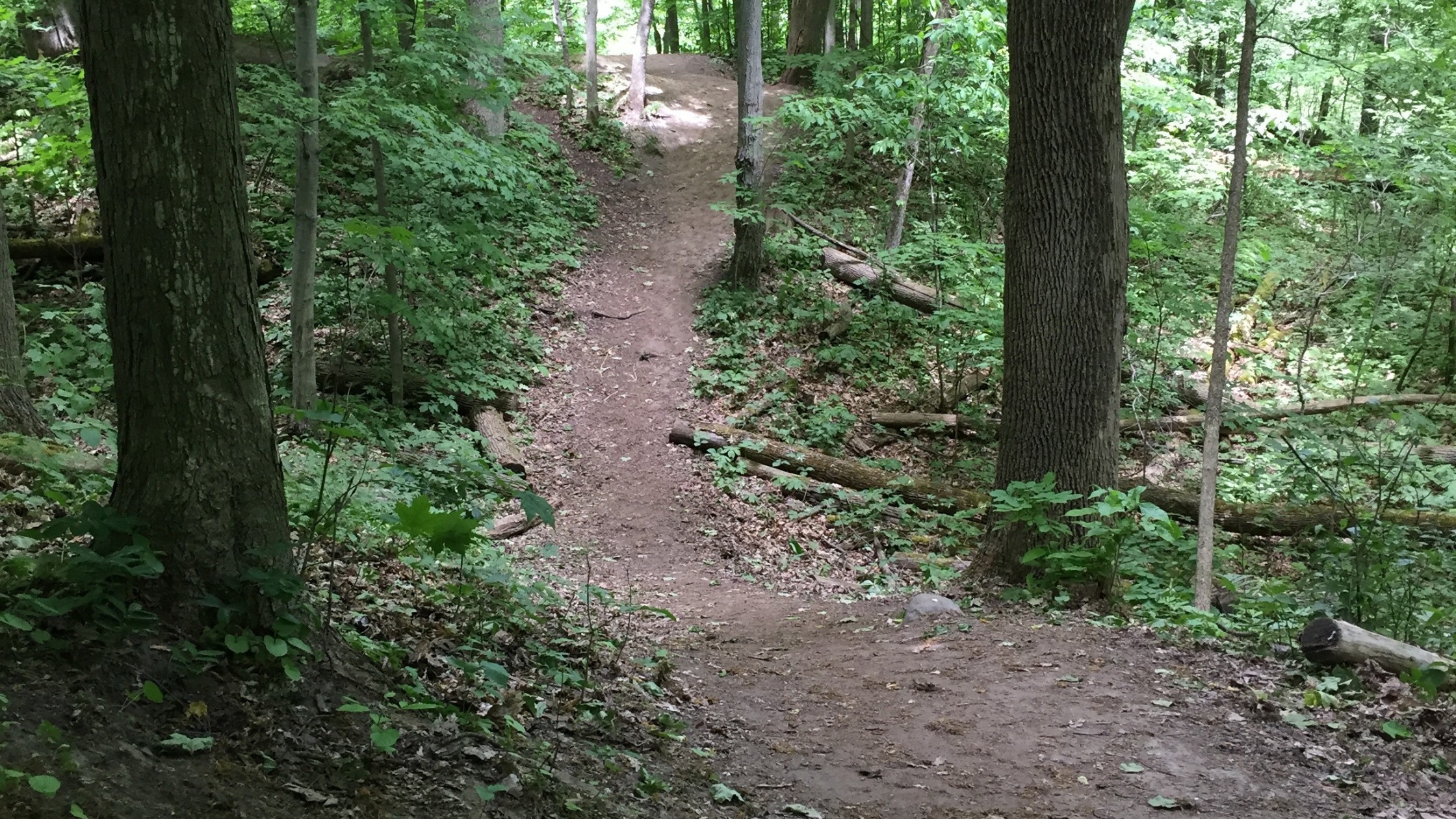
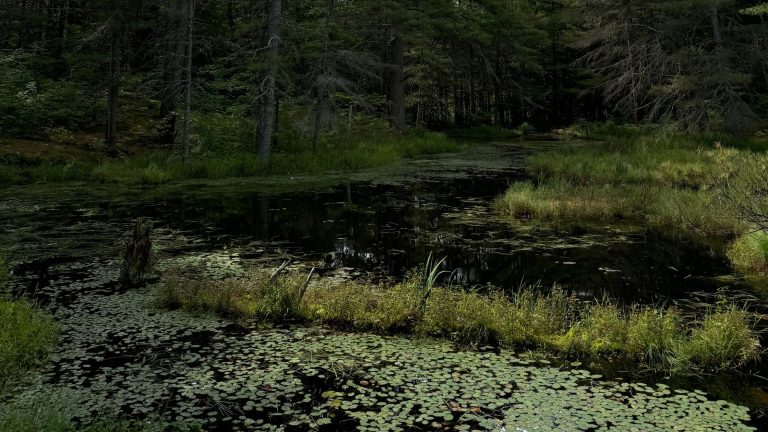
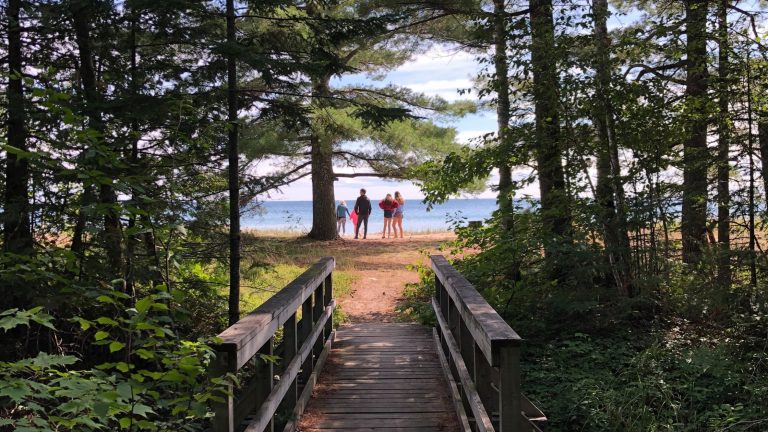
The park features a network of trails that wind through lush forests and open wetlands, providing ample opportunities for hiking, birdwatching, and photography. Visitors might catch a glimpse of the majestic bald eagle or the elusive bobcat, both of which call this area home. The serene waterways, dotted with vibrant flora, beckon canoeists and kayakers to glide through tranquil waters, offering a unique perspective of the park’s natural beauty.
As the sun sets, the landscape transforms into a canvas of colors, making it the perfect backdrop for a peaceful evening. Devil’s Hammock Wildlife Management Area is not just a destination; it’s a celebration of Florida’s untamed beauty, inviting you to reconnect with nature and create unforgettable memories.
Seasons
Spring’s mild temperatures and vibrant flora make it an ideal season to explore this 7,000-acre haven along the Waccasassa River and Otter Creek, offering abundant wildlife viewing, fishing, and hiking opportunities.
Summer’s sultry embrace transforms this 7,000-acre haven into a sanctuary for anglers, hikers, and wildlife enthusiasts, offering unparalleled access to diverse habitats and abundant species.
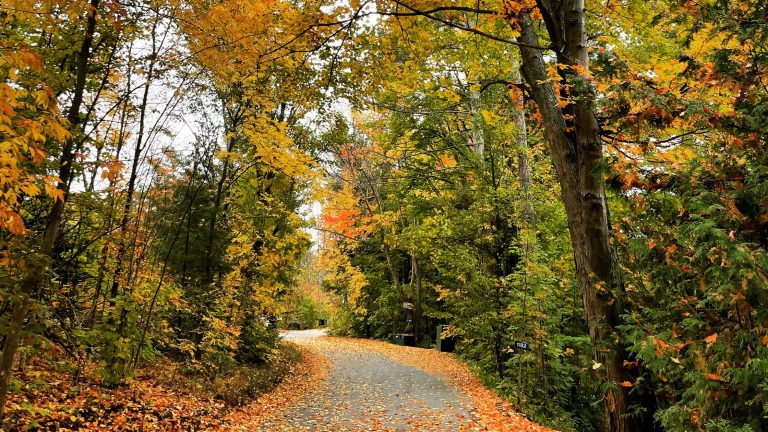
In the fall, the area offers a symphony of colors and cooler temperatures, making September, October, and November ideal for hiking, fishing, and wildlife viewing.
Experience the serene beauty of Florida’s wilderness during the winter months, when cooler temperatures and active wildlife make December through February ideal for hiking, fishing, and wildlife viewing.
Top 3 Facts about Devil's Hammock Wildlife Management Area
This area is home to the rare Florida scrub jay, a bird species that relies on fire-adapted ecosystems for survival, and during migration seasons, unusual sightings of transient species like the painted bunting can occur, showcasing the area’s rich biodiversity and unique ecological interactions.
In this unique region, extreme temperature variations can occur due to its diverse microclimates, where localized weather phenomena create pockets of distinct conditions, allowing for unusual storm-related events, such as sudden downpours or localized flooding, that can dramatically alter the landscape within a short period.
Known for its unusual trail names like “Gopher Tortoise Trail,” the area prohibits activities such as camping and open fires, ensuring wildlife preservation while attracting outdoor enthusiasts eager to break records in birdwatching and hiking within its diverse ecosystems.
Travel Tips
Plan Ahead
To fully enjoy your visit, plan ahead by checking weather conditions and trail maps, as well as potential wildlife sightings. Arriving early not only helps avoid crowds but also allows for the best chances to experience the area’s natural beauty and diverse ecosystems. Don’t forget to pack essentials like water, snacks, and insect repellent for a comfortable adventure.
Pack Appropriately
When packing for your visit, include a lightweight pair of rubber boots to navigate the wet, marshy terrain comfortably. The area’s diverse ecosystems thrive in moisture, so be prepared for sudden rain showers and muddy trails; staying dry will enhance your experience while exploring the unique flora and fauna.
Respect Wildlife
When exploring this stunning natural area, prioritize wildlife respect by observing animals from a distance. Avoid feeding them, as it disrupts their natural behavior and diet. Stick to designated trails to protect habitats and ensure a safe experience for both you and the diverse species that call this region home.
Stay Informed
Before your visit, stay informed by checking the weather forecast, current temperatures, and any fire bans or notices. Know the emergency contact information, and always inform someone of your destination and expected return time to ensure safety during your outdoor adventure.
Accessibility & permits
Emergency

Planning a trip?
Tell us about your upcoming trip and how we can help!
Frequently Asked Questions
Ready to dive into what Devil's Hammock Wildlife Management Area has to offer? Let’s tackle some of the burning questions you might have as you plan your visit!
-
Devil’s Hammock Wildlife Management Area offers a variety of outdoor activities, including hiking, birdwatching, wildlife observation, and photography. The area features trails that allow visitors to explore the diverse ecosystems and enjoy the natural beauty of Florida’s flora and fauna. Additionally, there are opportunities for canoeing and kayaking in the nearby waters.
-
Yes, there are camping facilities at Devil’s Hammock WMA. The area provides primitive camping options, allowing visitors to immerse themselves in nature. Campsites are typically available on a first-come, first-served basis, and amenities may be limited, so it’s recommended to prepare accordingly.
-
Devil’s Hammock WMA is home to a wide range of wildlife species, including deer, wild turkey, and various bird species such as herons and egrets. Visitors may also spot alligators and numerous reptiles. The diverse habitats support a rich biodiversity, making it a great spot for wildlife enthusiasts.
-
Fishing is permitted in designated areas of Devil’s Hammock Wildlife Management Area. Anglers can enjoy freshwater fishing in the area’s lakes and streams, but it’s essential to follow state fishing regulations, including licensing requirements and size limits.
-
Hunting regulations for Devil’s Hammock WMA vary by season and species. The area is open for hunting of species such as deer and wild turkey during designated seasons. Hunters must possess the appropriate licenses and adhere to all state regulations, including bag limits and hunting hours.