
Discover breathtaking natural beauty and rich history in this hidden gem of Tennessee.


















Discover breathtaking natural beauty and rich history in this hidden gem of Tennessee.
Dunbar Cave State Park in Tennessee offers an enchanting escape into nature’s embrace, where adventure meets tranquility. This hidden gem invites visitors to explore its rich history and stunning landscapes. The park is renowned for its limestone cave, which has been a site of human habitation for thousands of years, showcasing ancient Native American art and artifacts. Guided tours reveal the cave’s fascinating geology and the secrets it holds within its cool, dark chambers.
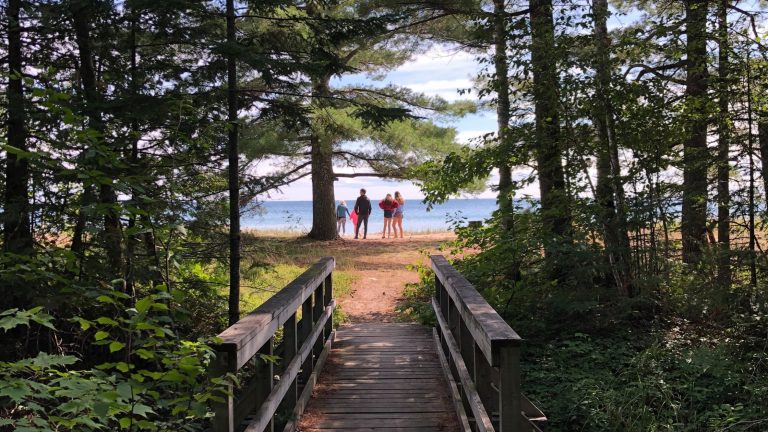
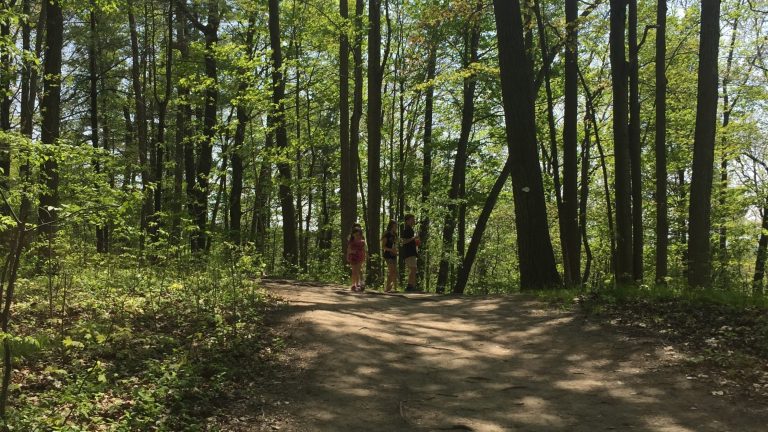
Beyond the cave, Dunbar Cave State Park features a network of scenic trails that wind through lush woodlands and vibrant wildflower meadows. Hikers and nature enthusiasts can immerse themselves in the diverse flora and fauna that thrive in this serene environment. The park’s tranquil lakes provide opportunities for fishing and picnicking, making it a perfect spot for families and couples seeking a peaceful retreat.
As the sun sets, the park transforms into a magical landscape, with the sounds of nature creating a symphony of serenity. Whether you’re exploring the depths of the cave or basking in the beauty of the outdoors, Dunbar Cave State Park promises an unforgettable experience that lingers long after your visit.
Seasons
In spring, the park’s trails burst into color with wildflowers, offering hikers a picturesque journey through blooming landscapes and vibrant greenery.
Summer’s warm days and cool cave tours offer a refreshing escape, while vibrant events and lush trails make June through August the perfect time to explore.
In autumn, the park’s trails wind through vibrant foliage, offering serene hikes and wildlife sightings, while the crisp air and colorful reflections on Swan Lake enhance the experience.
Winter’s crisp air and serene landscapes invite exploration of the park’s trails, where frosty mornings reveal wildlife sightings and peaceful solitude, making December through February ideal for outdoor enthusiasts seeking a tranquil retreat.
Top 3 Facts about Dunbar Cave State Park
During the spring migration, thousands of bats emerge from a cave, creating a spectacular sight as they spiral into the twilight sky, while the surrounding area hosts unique endemic species like the rare Tennessee cave salamander, highlighting the region’s rich biodiversity and ecological significance.
In a unique phenomenon, the cave’s microclimate can maintain a steady temperature year-round, creating a habitat for diverse species, while outside, extreme temperature fluctuations can occur, showcasing the stark contrast between the cave’s stable environment and the unpredictable weather conditions above ground.
Known for its unique cave formations and rich history, the park features the bizarrely named “Cave of the Lost Souls” trail, while unusual rules prohibit loud music and camping near the cave entrance, ensuring a serene environment for wildlife and visitors alike.
Travel Tips
Plan Ahead
To make the most of your visit, plan ahead by checking trail conditions and weather forecasts. Arrive early to secure parking and enjoy the tranquility before crowds arrive. Don’t forget to pack plenty of water, snacks, and a camera to capture the stunning landscapes and wildlife. Familiarize yourself with the park’s map to explore its hidden gems efficiently.
Pack Appropriately
When preparing for your adventure, consider packing a lightweight rain jacket and sturdy shoes, as the area’s limestone formations can create sudden microclimates and slippery trails. Don’t forget a reusable water bottle to stay hydrated while exploring the lush surroundings, and bring a headlamp or flashlight to fully appreciate the cave’s fascinating features.
Respect Wildlife
Respect the diverse wildlife by observing from a distance and avoiding feeding animals. Stay on designated trails to protect natural habitats and minimize disturbances. Early mornings or late afternoons offer the best chances to spot deer, birds, and other creatures in their natural behavior. Carry binoculars for a closer look without intruding on their space.
Stay Informed
Before your visit, stay informed by checking the weather, temperatures, and any fire bans or notices in the area. Always share your plans with someone, including your destination and expected return time, and ensure you have emergency contact information readily available. Being prepared enhances your experience and keeps you safe.
Accessibility & permits
Emergency

Planning a trip?
Tell us about your upcoming trip and how we can help!

Frequently Asked Questions
Ready to dive into what Dunbar Cave State Park has to offer? Let’s tackle some of the burning questions you might have as you plan your visit!
-
Dunbar Cave State Park’s operating hours are typically from 8 AM to 4:30 PM daily, with extended hours during the summer months.
-
To reserve a cave tour, visit the official Tennessee State Parks website or call the park office directly to check availability and make a reservation. Tours often require advance booking, especially during peak seasons.
-
Pets are allowed in Dunbar Cave State Park but must be kept on a leash at all times. However, pets are not permitted inside the cave itself.
-
The park features several hiking trails, including the 1.5-mile loop trail around the lake and trails leading to scenic overlooks. These trails vary in difficulty, making them suitable for different skill levels.
-
Fishing is permitted at Swan Lake within the park, and anglers must have a valid Tennessee fishing license. The lake is stocked with various fish species, providing a great opportunity for fishing enthusiasts.