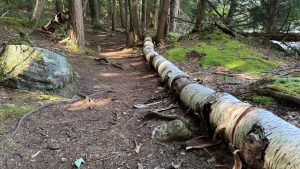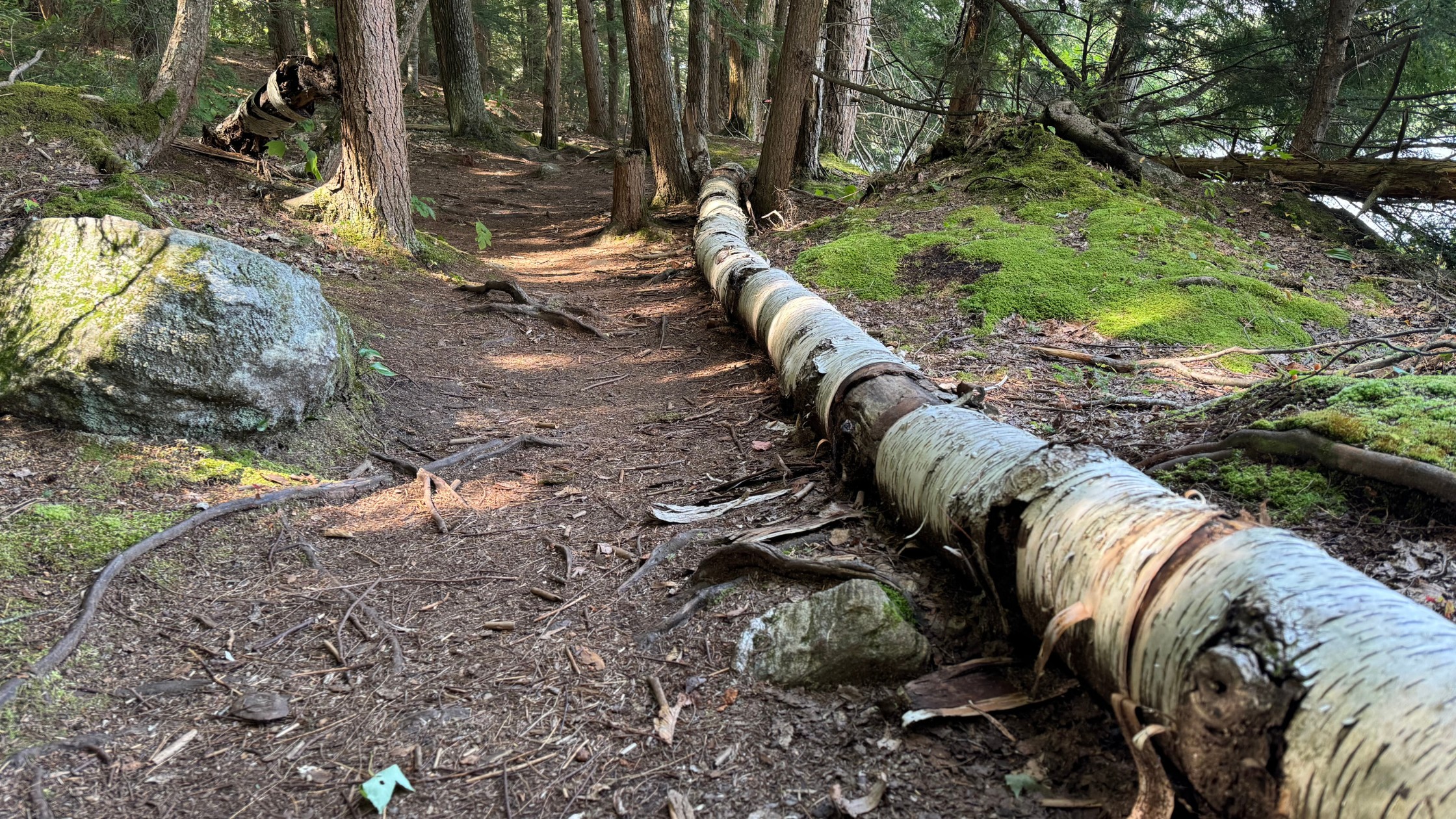
Discover the hidden gem of nature's tranquility and vibrant wildlife in this serene retreat.
Discover the hidden gem of nature's tranquility and vibrant wildlife in this serene retreat.
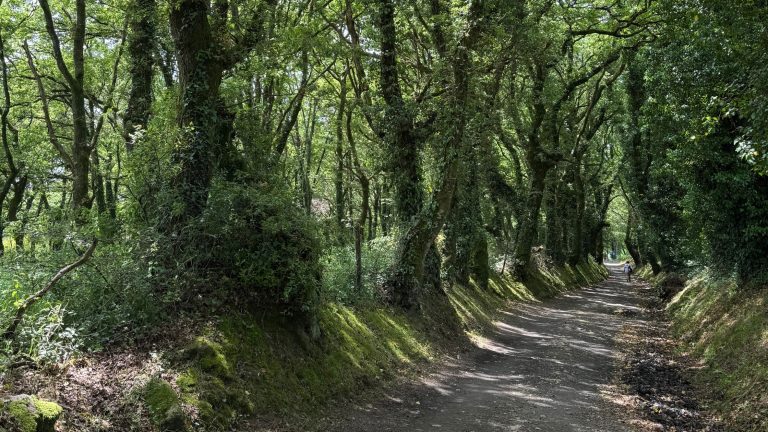
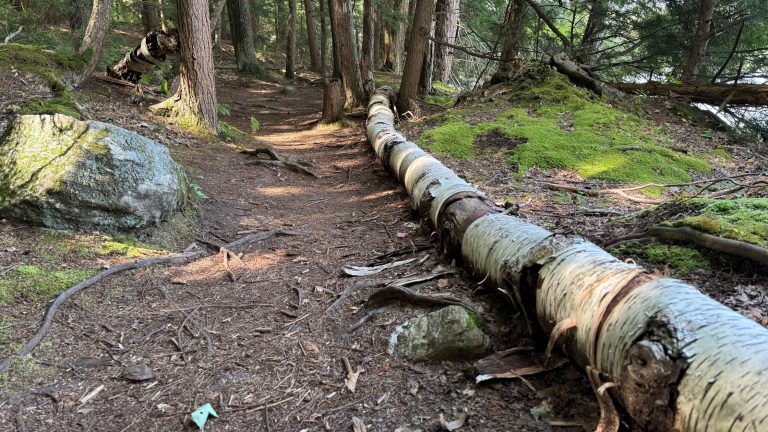
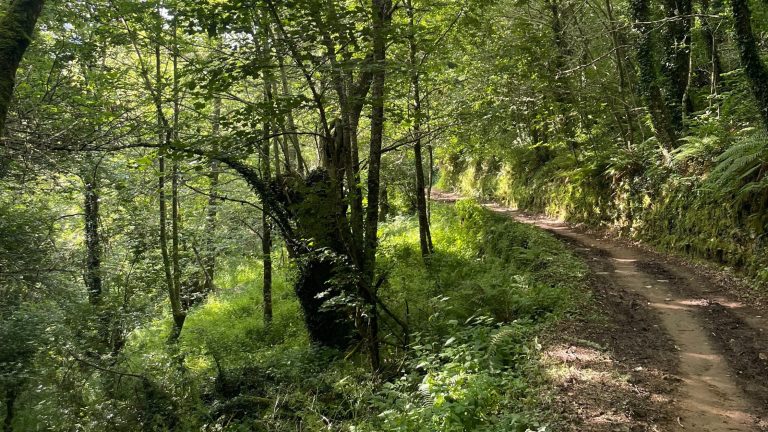
Flint Rock Wildlife Management Area in Georgia offers an exquisite escape for nature enthusiasts and luxury travelers alike. Spanning over 20,000 acres, this pristine landscape showcases the raw beauty of the South, featuring rolling hills, serene waterways, and lush forests. As you traverse the winding trails, you will encounter a diverse array of wildlife, from majestic deer to vibrant songbirds, making it a true haven for photographers and birdwatchers.
The area is rich in recreational opportunities, inviting visitors to indulge in hiking, fishing, and hunting, all while surrounded by breathtaking scenery. Flint Rock Wildlife Management Area is particularly renowned for its well-maintained trails, which cater to both casual walkers and seasoned adventurers. Each path reveals new vistas, from tranquil lakes to panoramic views of the forest canopy, ensuring every outing is a unique experience.
For those seeking solitude, the park provides ample opportunities for quiet reflection. Whether you choose to set up camp under a starlit sky or enjoy a leisurely picnic by the water, Flint Rock offers a perfect blend of adventure and tranquility. This hidden gem in Georgia promises an unforgettable retreat into nature, where luxury meets the wild.
Seasons
In spring, the area transforms into a vibrant tapestry of blooming wildflowers and lush greenery, offering unparalleled opportunities for hiking, fishing, and wildlife viewing.
Summer’s warm temperatures and abundant wildlife make June, July, and August ideal for exploring the diverse ecosystems and engaging in activities like fishing, hiking, and camping.
In fall, the area transforms into a haven for hunters and anglers, offering prime opportunities for deer, turkey, and small game hunting, as well as fishing along the scenic riverbanks.
Winter’s crisp air and serene landscapes offer unparalleled opportunities for wildlife viewing, hunting, and fishing, making December through February the ideal time to experience the area’s natural beauty.
Top 3 Facts about Flint Rock Wildlife Management Area
This region is known for its unusual animal sightings, including the rare Eastern Hellbender, a giant aquatic salamander, and hosts significant migratory events where thousands of waterfowl converge, showcasing the area’s vital role in supporting endemic species and diverse wildlife populations.
In this region, a unique microclimate allows for the coexistence of both temperate and subtropical plant species, creating a rare biodiversity hotspot; additionally, extreme temperature fluctuations can occur within just a few hours, leading to sudden weather changes that challenge local wildlife adaptation.
This area features unique trails like “Screaming Eagle” and unusual rules prohibiting motorized vehicles, ensuring a tranquil environment for wildlife observation, while also hosting record-breaking outdoor sports events, making it a fascinating destination for adventure enthusiasts and nature lovers alike.
Travel Tips
Plan Ahead
When exploring this scenic wildlife haven, planning ahead is essential. Research seasonal wildlife patterns, pack appropriate gear for hiking or birdwatching, and consider the best times to visit for fewer crowds. Don’t forget to check local regulations and trail maps to enhance your experience and ensure a safe, enjoyable adventure amidst the stunning natural beauty.
Pack Appropriately
When packing for your trip, consider including a lightweight, breathable rain jacket. The region’s unpredictable weather can shift from sunny to rainy in an instant, especially during the spring and summer months. A rain jacket not only keeps you dry but also provides protection against the area’s abundant insects, ensuring a more comfortable outdoor experience.
Respect Wildlife
Respect the diverse wildlife by keeping a safe distance from animals and refraining from feeding them. Observe their natural behaviors quietly, and carry binoculars for a closer look without disturbing their habitat. Follow marked trails to minimize your impact and ensure the preservation of this beautiful ecosystem for future visitors.
Stay Informed
Before your visit, stay informed by checking the weather, temperatures, and any fire bans or notices. Know the emergency contact information and ensure you tell someone your destination and expected return time for safety. Being prepared enhances your experience and ensures your safety while enjoying the natural beauty.
Accessibility & permits
Emergency

Planning a trip?
Tell us about your upcoming trip and how we can help!
Frequently Asked Questions
Ready to dive into what Flint Rock Wildlife Management Area has to offer? Let’s tackle some of the burning questions you might have as you plan your visit!
-
Flint Rock WMA offers a variety of outdoor activities including hiking, birdwatching, and wildlife observation, making it an ideal destination for nature enthusiasts. Additionally, visitors can engage in hunting during designated seasons, providing an exciting experience for hunters.
-
Yes, Flint Rock WMA has camping facilities that allow visitors to enjoy the natural surroundings overnight. Camping sites are typically equipped with basic amenities, making it a convenient option for those looking to immerse themselves in nature.
-
Fishing is permitted in Flint Rock WMA, providing anglers with opportunities to catch various species in the area’s lakes and streams. Ensure you have the appropriate fishing license and are aware of any specific regulations that may apply.
-
Flint Rock WMA is home to diverse wildlife, including deer, wild turkeys, and numerous bird species. Visitors can enjoy observing these animals in their natural habitats, particularly during early morning or late afternoon.
-
Hunting regulations at Flint Rock WMA are strictly enforced to ensure sustainable wildlife populations. Hunters must adhere to state guidelines, including obtaining the necessary permits and following designated hunting seasons and zones.