
Step back in time at Georgia's captivating colonial stronghold, where history comes alive.
Step back in time at Georgia's captivating colonial stronghold, where history comes alive.
Fort King George Historic Site, a gem of Georgia’s coastal heritage, invites travelers to step back in time. This meticulously preserved site, established in 1721, serves as a testament to the region’s colonial past. Visitors can explore the remains of the fort, complete with reconstructed blockhouses and a captivating visitor center that showcases artifacts from the era. The fort’s strategic location along the Altamaha River offers stunning views, making it a perfect backdrop for a leisurely stroll or a reflective moment.
As you wander through the grounds, the whispers of history come alive. Guided tours provide an immersive experience, revealing tales of early settlers and their interactions with Native American tribes. The knowledgeable staff enhances the journey with engaging stories, making each visit unique.
Beyond the historical significance, Fort King George Historic Site is surrounded by lush landscapes, ideal for picnics and nature walks. The serene environment encourages visitors to unwind and appreciate the natural beauty of Georgia’s coast, creating a perfect blend of history and tranquility.
Seasons
Spring’s mild temperatures and blooming landscapes make it the perfect season to explore this historic fort, offering a vivid glimpse into Georgia’s colonial past.
Experience the rich history of Georgia’s first fort during the summer months, when the warm weather and extended daylight hours provide ample time to explore its reconstructed structures and learn about its colonial past.
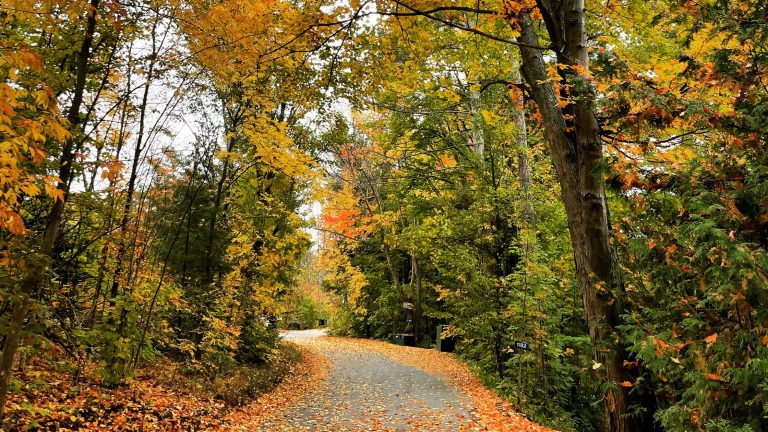
Experience the rich history of Georgia’s oldest English fort amidst the vibrant fall foliage and cooler temperatures of September through November, ideal for exploring the reconstructed fort and enjoying seasonal events.
Experience the charm of 18th-century life at this historic site during the winter months, when cooler temperatures and fewer crowds offer a more intimate glimpse into colonial history.
Top 3 Facts about Fort King George Historic Site
An intriguing fact about this region is the rare sighting of the endangered manatee, which migrates through the area, alongside unique endemic species like the Bahama parrot, making it a hotspot for wildlife enthusiasts eager to witness unusual animal behaviors and migration patterns.
In a unique microclimate, the area experiences sudden temperature drops due to its elevation and surrounding water bodies, leading to unexpected frost even in summer months, while unusual storm patterns can create rare phenomena like waterspouts and localized flooding, captivating meteorologists and visitors alike.
Known for its historical significance, this site also features the bizarrely named “Cannonball Trail” and has unique rules prohibiting certain activities like metal detecting, ensuring preservation, while being the first in the region to host reenactments of colonial outdoor sports.
Travel Tips
Plan Ahead
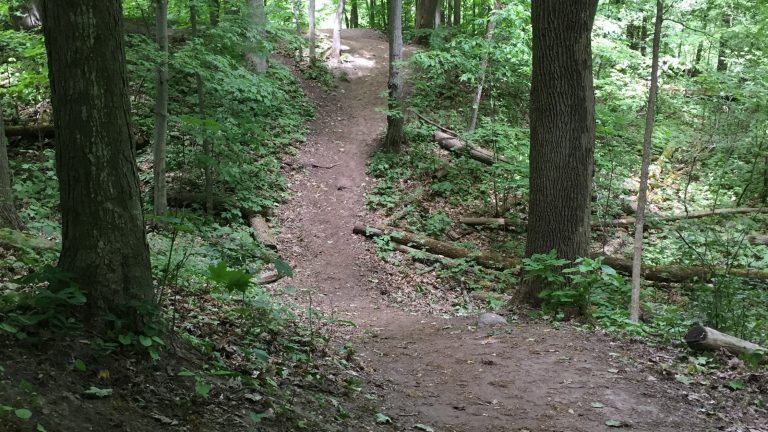
To fully enjoy your visit, plan ahead by checking the site’s schedule for guided tours and special events. Arrive early to explore the well-preserved structures and scenic views, and don’t forget to pack a picnic to savor in the picturesque surroundings. Comfortable shoes are a must for exploring the trails and historic grounds.
Pack Appropriately
When packing for your trip, include sturdy walking shoes to navigate the uneven terrain and explore the site’s historical structures. Don’t forget a refillable water bottle, as the Georgia heat can be intense, and staying hydrated is essential for enjoying the scenic views along the coastal landscape.
Respect Wildlife
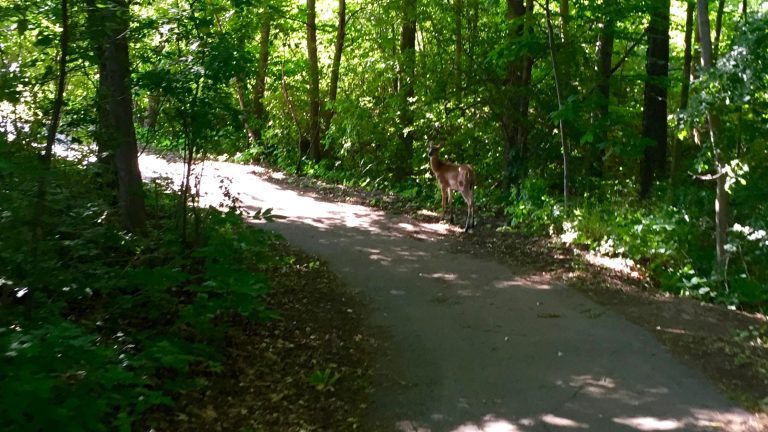
When exploring this historic site, prioritize wildlife respect by observing animals from a distance. Avoid feeding them, as human food can disrupt their natural behaviors and health. Keep noise levels down to minimize stress on local fauna, and stick to designated paths to protect their habitats. This mindful approach enhances your experience while preserving the delicate ecosystem for future visitors.
Stay Informed
Before your visit, stay informed by checking the weather, current temperatures, and any fire bans or notices. Know the emergency contact information and share your plans with someone, including your expected return time, to ensure safety during your adventure.
Accessibility & permits
Emergency

Planning a trip?
Tell us about your upcoming trip and how we can help!



Frequently Asked Questions
Ready to dive into what Fort King George Historic Site has to offer? Let’s tackle some of the burning questions you might have as you plan your visit!
-
Fort King George’s operating hours are typically 9 AM to 5 PM, Tuesday through Saturday; closed on Sundays and Mondays
-
The admission fee is generally $5 for adults, $3 for children ages 6-18, and free for children under 6
-
Pets are not allowed on the site, but service animals are permitted
-
Guided tours are available and usually conducted by knowledgeable staff, providing an in-depth look at the history and significance of the site
-
Events scheduled at Fort King George include historical reenactments, educational workshops, and seasonal festivals, so check their calendar for specific dates and details.