Step back in time and explore California's rich history at this captivating historic site.

Step back in time and explore California's rich history at this captivating historic site.
Fort Tejon State Historic Park stands as a remarkable testament to California’s rich military history. Located in the picturesque Tejon Pass, this historic site invites visitors to step back in time to the mid-19th century. The park showcases meticulously restored adobe structures, offering an authentic glimpse into the lives of soldiers stationed here during the turbulent years of the Mexican-American War.
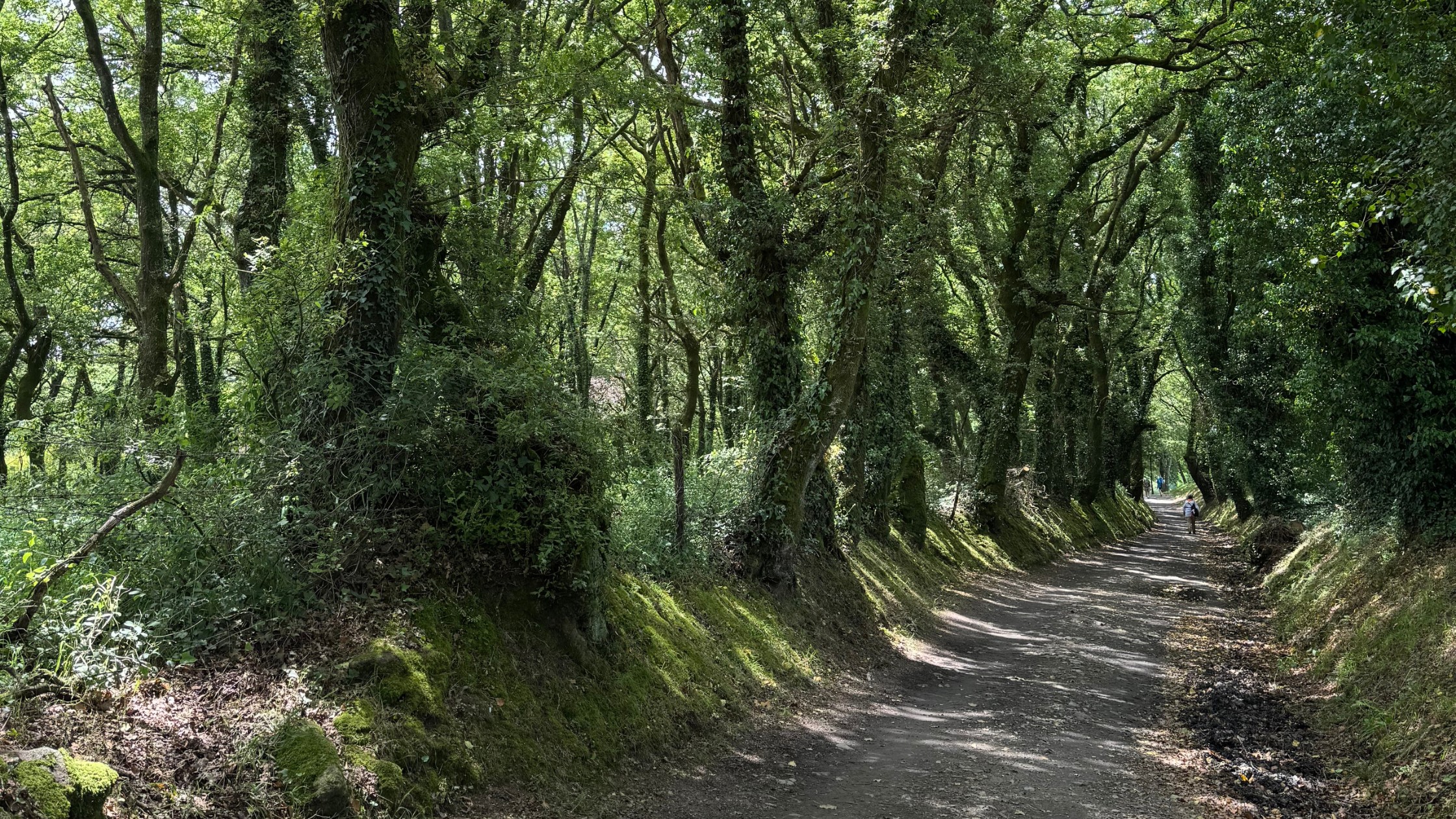
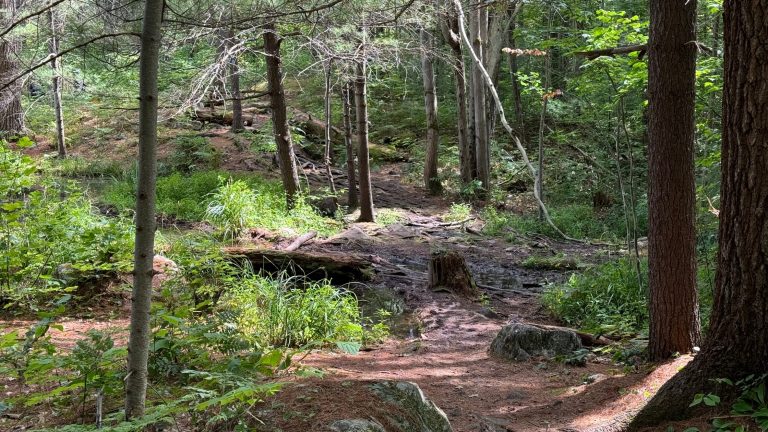
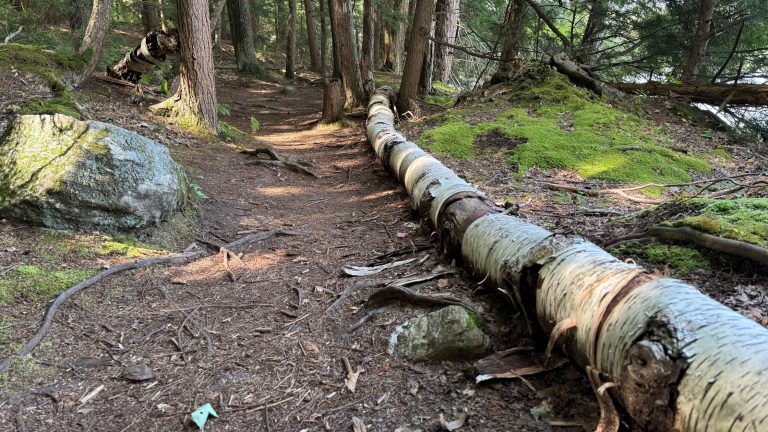
As you wander through the grounds, the stunning backdrop of the Sierra Nevada foothills captivates the senses. The park’s interpretive trails guide you through the diverse landscapes, from rolling hills to vibrant wildflower meadows, each step revealing the natural beauty that defined this region. History enthusiasts can explore the well-preserved buildings, where reenactments and educational programs bring the past to life.
Fort Tejon State Historic Park is more than just a historical site; it is a serene escape into California’s storied past. Whether you seek a peaceful retreat or an enriching experience, this hidden gem offers a unique blend of culture and nature, making it an essential stop on any luxury travel itinerary.
Seasons
Spring’s mild temperatures and blooming wildflowers create an ideal backdrop for exploring historic adobe structures and enjoying picnics under ancient oak trees.
Experience the allure of summer at this historic fort, where June, July, and August bring engaging Civil War reenactments, interactive living history demonstrations, and comfortable temperatures perfect for exploring.
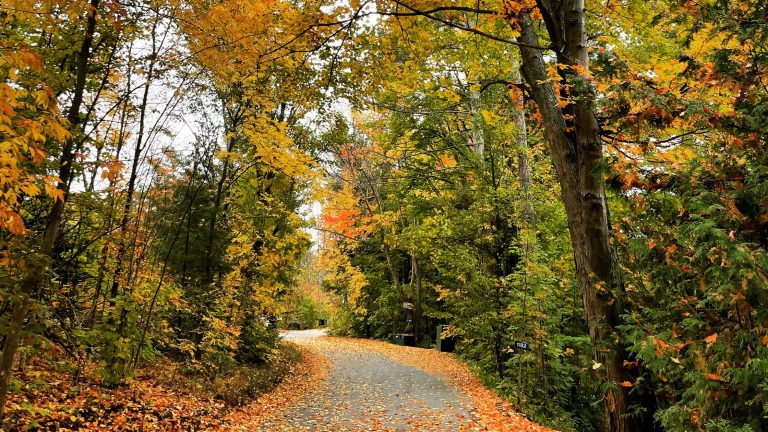
In fall, the park’s 400-year-old valley oaks display vibrant colors, and the crisp air enhances exploration of its historic barracks and scenic trails.
Winter’s crisp air and serene landscapes offer a peaceful retreat, with fewer crowds and mild temperatures perfect for exploring the park’s rich history and natural beauty.
Top 3 Facts about Fort Tejon State Historic Park
This historic site is a crucial stopover for migrating birds, where rare sightings of the endangered California condor and unique endemic species like the San Joaquin kit fox can occur, showcasing the region’s rich biodiversity and the importance of preserving such habitats for wildlife.
Extreme temperature variations can occur in California’s mountainous regions, where microclimates create unique weather patterns; for instance, temperatures can fluctuate dramatically within a few miles due to elevation changes, leading to diverse ecosystems and unexpected storm phenomena that influence local flora and fauna.
Known for its historic significance, this park features the bizarrely named “Coyote Trail” and unique rules banning metal detecting, ensuring preservation of artifacts; it also boasts records in outdoor sports, including the first organized horseback riding events in the region, attracting enthusiasts and adventurers alike.
Travel Tips
Plan Ahead
To fully enjoy your visit, plan ahead by checking the weather and park hours, as conditions can change rapidly. Bring plenty of water, wear comfortable shoes for exploring the trails, and consider packing a picnic to savor amidst the stunning scenery. Arriving early will help you avoid crowds and give you ample time to soak in the rich history and natural beauty.
Pack Appropriately
When visiting this historic site, pack layers to adapt to the fluctuating temperatures of the California foothills. Early mornings can be chilly while afternoons heat up quickly, so include a lightweight jacket and breathable fabrics. Don’t forget comfortable walking shoes for exploring the trails and the historic buildings, as uneven terrain can surprise the unprepared.
Respect Wildlife
When exploring this historic site, prioritize wildlife conservation by observing animals from a distance and avoiding any disturbances to their natural habitats. Stick to marked trails to minimize your impact and never feed the wildlife, as human food can harm them. By practicing these respectful habits, you contribute to the preservation of the area’s unique ecosystem while enjoying its natural beauty.
Stay Informed
Before your visit, stay informed by checking the weather forecast, current temperatures, and any fire bans or notices. Always share your plans with someone, including your expected return time, and keep emergency contact information handy for safety. Being prepared ensures a more enjoyable and secure experience.
Accessibility & permits
Emergency

Planning a trip?
Tell us about your upcoming trip and how we can help!
Frequently Asked Questions
Ready to dive into what Fort Tejon State Historic Park has to offer? Let’s tackle some of the burning questions you might have as you plan your visit!
-
Fort Tejon State Historic Park operates daily from 9:00 AM to 5:00 PM, with extended hours during the summer months for visitors to explore the historic site and its exhibits.
-
Yes, camping is available at Fort Tejon. The park offers a campground with amenities, including restrooms and picnic areas, allowing visitors to enjoy the natural surroundings and history of the area.
-
Living history events at Fort Tejon are typically held on weekends from spring through fall, showcasing reenactments and demonstrations of 19th-century military life, but it’s best to check the park’s calendar for specific dates and times.
-
To get to Fort Tejon, take Interstate 5 and exit at Fort Tejon Road. Follow the signs to the park entrance, which is well-marked and accessible from major highways in the region.
-
Pets are allowed at Fort Tejon but must be kept on a leash at all times. Owners are responsible for cleaning up after their pets to maintain the park’s natural beauty.