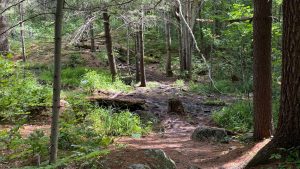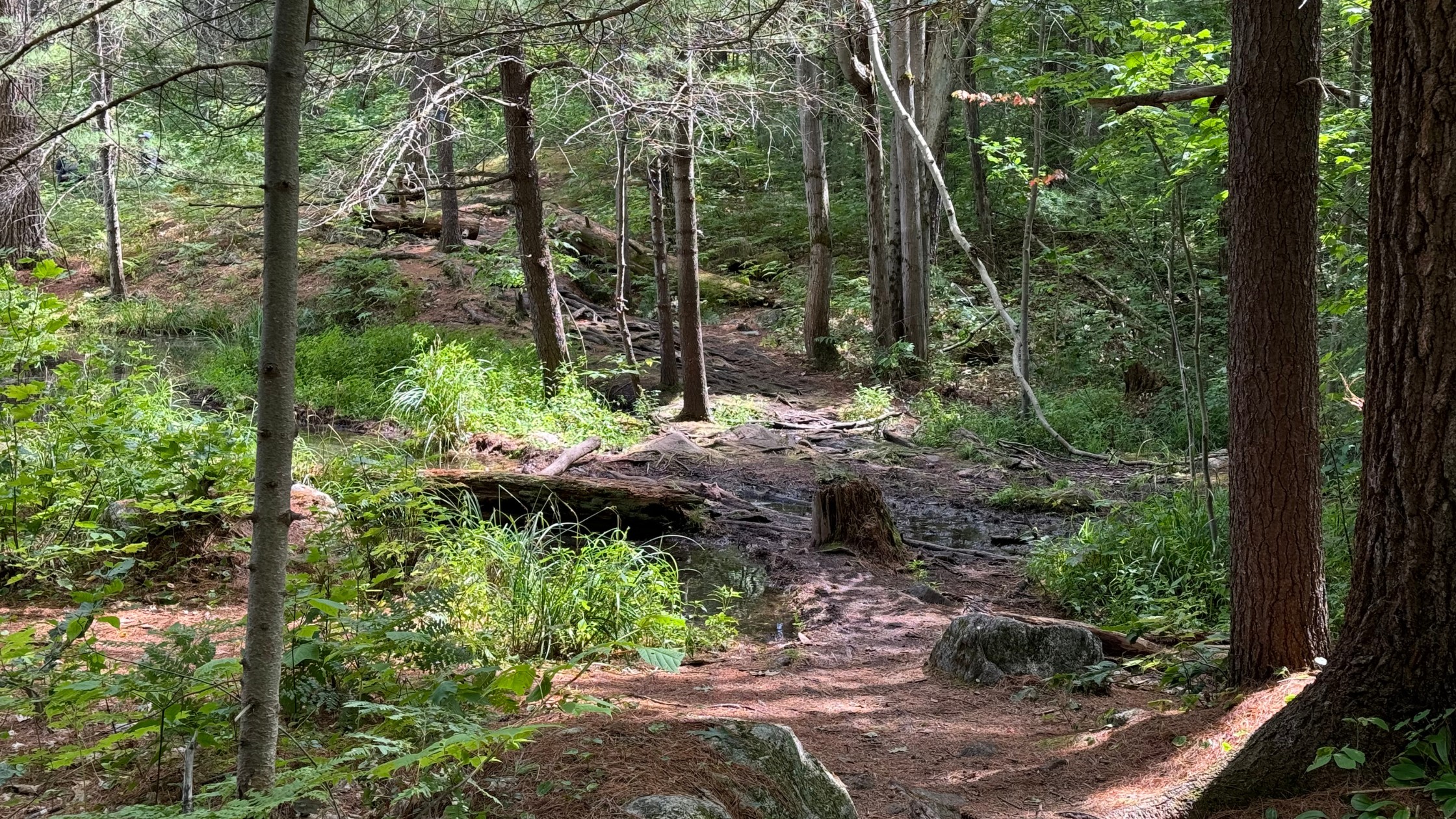
Discover a hidden gem of natural beauty and diverse wildlife in Florida's serene landscapes.
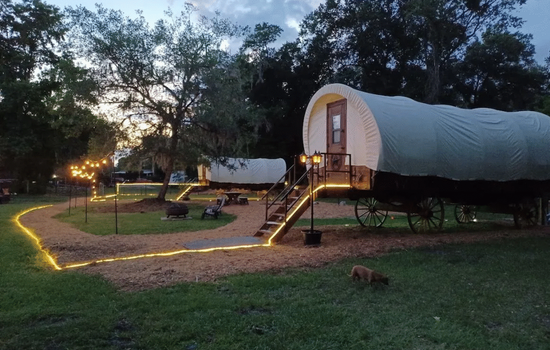

Discover a hidden gem of natural beauty and diverse wildlife in Florida's serene landscapes.
Fort White Wildlife and Environmental Area in Florida offers an exquisite escape into nature, where the lush landscapes and diverse ecosystems create a sanctuary for both wildlife and visitors. Spanning over 6,000 acres, this hidden gem invites outdoor enthusiasts to explore its extensive trail system, perfect for hiking, biking, and horseback riding. Each path reveals a unique tapestry of flora and fauna, showcasing the region’s natural beauty in every season.
The area boasts pristine rivers and springs, making it a prime location for kayaking and fishing. As you glide along the crystal-clear waters, the serenity of the surrounding cypress swamps and hardwood forests envelops you, providing a peaceful retreat from the hustle and bustle of daily life. Birdwatchers will find themselves captivated by the vibrant array of species that call this area home, from majestic eagles to delicate songbirds.
Fort White Wildlife and Environmental Area stands as a testament to Florida’s commitment to preserving its natural heritage. It invites you to immerse yourself in a world where adventure and tranquility coexist, offering a truly unforgettable experience for those seeking a luxurious connection with nature.
Seasons
Spring’s mild temperatures and blooming wildflowers create an ideal backdrop for hiking, paddling, and wildlife viewing along the Santa Fe River’s serene banks.
Summer’s warm temperatures and abundant sunshine make June, July, and August ideal for exploring the diverse habitats, hiking trails, and wildlife of this Florida wilderness area.
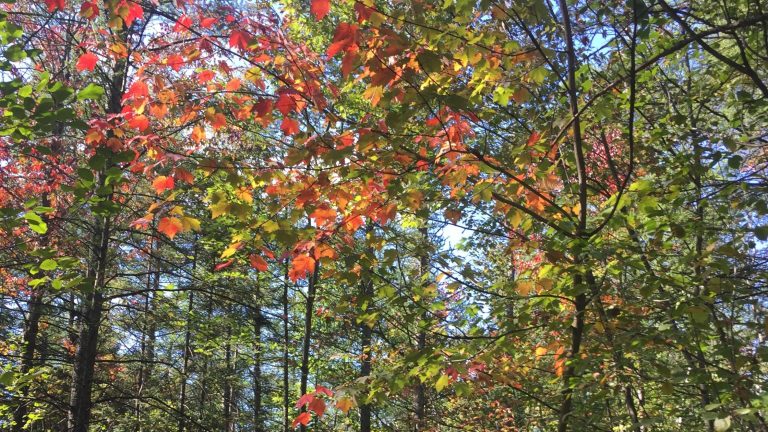
In fall, the area offers cooler temperatures and vibrant foliage, making it ideal for hiking, wildlife viewing, and enjoying the seasonal beauty of the sandhills and floodplain forests.
Winter’s mild temperatures and abundant wildlife make December through February the ideal time to explore this Florida haven, offering serene trails and rich birdwatching opportunities.
Top 3 Facts about Fort White Wildlife and Environmental Area
In this unique ecosystem, visitors may encounter rare species such as the Florida Grasshopper Sparrow, which is critically endangered, and witness extraordinary migration events, where thousands of birds travel through the area, showcasing the remarkable biodiversity and intricate relationships within this vibrant habitat.
In Florida, a unique microclimate exists where the convergence of warm, moist air and cooler air can create sudden thunderstorms, leading to fascinating phenomena like localized downpours that can leave one area drenched while nearby locations remain completely dry, showcasing the unpredictable nature of weather patterns.
Known for its unique trail named “The Gator Alley,” this area prohibits swimming and alcohol, ensuring a safe environment for wildlife observation and hiking, while also celebrating records in birdwatching, making it a prime spot for enthusiasts seeking both adventure and tranquility.
Travel Tips
Plan Ahead
To make the most of your visit, plan ahead by checking the weather and trail conditions. Arrive early to enjoy the tranquility of nature, and bring plenty of water and snacks to stay energized. Don’t forget your binoculars for birdwatching and a camera to capture the stunning landscapes. Familiarize yourself with the area’s map to discover hidden gems along the way.
Pack Appropriately
When preparing for your trip, consider packing a lightweight, breathable long-sleeve shirt and pants to protect against Florida’s notorious mosquito population, especially during dusk. Additionally, bring a reusable water bottle to stay hydrated as you explore the diverse ecosystems, and don’t forget a waterproof bag for your gear—afternoon showers are common and can catch you off guard.
Respect Wildlife
Respect the diverse wildlife by observing animals from a distance and minimizing noise. Stay on designated trails to protect their habitats and avoid feeding them, as this disrupts their natural behaviors. Bring binoculars for close-up views and capture memories without disturbing the ecosystem, ensuring this beautiful area remains a sanctuary for future visitors.
Stay Informed
Before your visit, stay informed by checking the weather forecast, current temperatures, and any fire bans or notices. Know the emergency contact information and always inform someone about your destination and expected return time to ensure safety and preparedness during your outdoor adventure.
Accessibility & permits
Emergency

Planning a trip?
Tell us about your upcoming trip and how we can help!
Frequently Asked Questions
Ready to dive into what Fort White Wildlife and Environmental Area has to offer? Let’s tackle some of the burning questions you might have as you plan your visit!
-
Fort White Wildlife and Environmental Area offers a variety of activities including hiking, birdwatching, wildlife observation, and photography. Visitors can explore the scenic landscapes and diverse ecosystems, making it an ideal spot for nature enthusiasts.
-
Wildlife enthusiasts can expect to see a range of species such as deer, wild turkeys, various bird species, and possibly alligators near the water bodies. The area’s rich biodiversity makes it a great location for wildlife watching.
-
Yes, there are several hiking trails in Fort White Wildlife and Environmental Area. These trails vary in difficulty and length, providing options for both casual walkers and more experienced hikers. The trails wind through beautiful natural settings, showcasing the area’s flora and fauna.
-
Fishing is permitted in designated areas of Fort White Wildlife and Environmental Area. Anglers can enjoy freshwater fishing in the area’s lakes and rivers, but it’s important to check local regulations and obtain the necessary permits.
-
The best time to visit Fort White Wildlife and Environmental Area is during the cooler months, from late fall to early spring. This period offers comfortable temperatures for outdoor activities and increased wildlife visibility, making it a prime time for exploration.