


Walk the Ocean Floor at the Bay of Fundy's Record-Setting Tides
Walk the Ocean Floor at the Bay of Fundy's Record-Setting Tides
On the southeast coast of New Brunswick, where the Caledonia Highlands descend to the Bay of Fundy, a natural phenomenon unlike any other on the planet shapes every experience. The Bay of Fundy holds the world’s highest tides, with up to 12 metres of water rushing in and out twice each day on a six-hour cycle. Standing on the ocean floor at low tide and watching the water return is one of the most viscerally memorable experiences in any Canadian national park. At Alma Beach, within sight of the charming village of Alma just outside the park boundary, the rocky intertidal zone appears and disappears with clockwork regularity, revealing rock pools, sea creatures, and a moonscape of red mud and boulders that the incoming tide swallows entirely within hours.
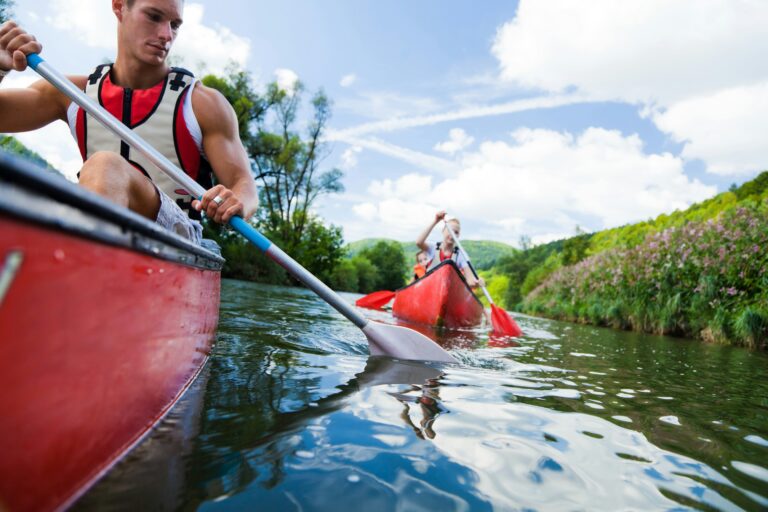
Established in 1948 as New Brunswick’s first national park, Fundy covers 207 square kilometres encompassing 20 kilometres of dramatic shoreline, rolling highland plateau, and over 100 kilometres of hiking and biking trails that lead through Acadian forest to more than 25 waterfalls tucked into river gorges and highland valleys. Dickson Falls, the most photographed cascade in the park, is reached by a short 1.5-kilometre loop through old-growth forest. Bennett Lake offers flatwater canoe and kayak paddling in an interior lakeside setting. The park operates a heated saltwater pool, a tennis court, and a lawn bowling green in the townsite near Headquarters Campground, giving the summer visitor experience a resort-like breadth unusual in national parks. Guided tidal kayaking on the bay, offered through licensed operators, provides a direct encounter with the tidal forces from water level.
Families find Fundy one of the most engaging national parks in Atlantic Canada. The tide-watching cycle naturally structures a full day’s visit: plan morning hikes, time the low tide for midday ocean floor exploration, and schedule the incoming tide for late afternoon at the shore. The park’s Xplorers children’s program provides hands-on activities at the visitor centre. Multi-generational groups appreciate the village of Alma, immediately outside the park entrance, which serves excellent lobster and chowder in waterside dining rooms. Pet-first travelers should note that leashed pets are permitted on most trails and in campgrounds at Fundy; always check current Parks Canada regulations before visiting.
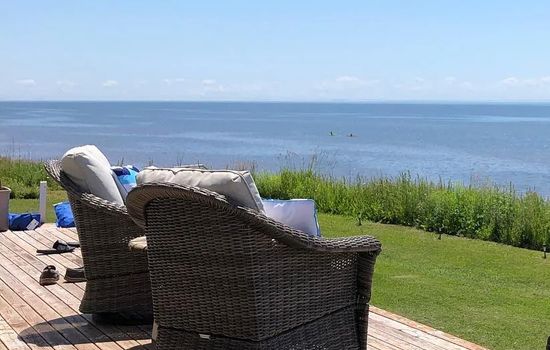
The village of Alma and the surrounding communities of Albert County offer a selection of cozy vacation rentals, beachfront properties, and comfortable homes with beautiful bay views that complement a park stay. Multi-bedroom vacation homes with full kitchens and BBQ grills accommodate families and groups relaxing between tidal cycles and trail hikes. Book your accommodations near Fundy National Park through Lake.com.
Seasons
Springtime, typically from April to June, is a beautiful season to visit Fundy National Park as nature awakens from its winter slumber. The forests burst into life with vibrant blooms of wildflowers, and the rivers swell with snowmelt, creating picturesque waterfalls. Hiking trails become accessible again, offering opportunities to witness the reawakening of the forest and catch glimpses of wildlife emerging from hibernation. Spring also brings milder temperatures, making it an ideal time for outdoor activities such as hiking, birdwatching, and photography.
Summer, from June to August, is the peak season for visitors to explore Fundy National Park. Warm temperatures and longer daylight hours provide ample opportunities for outdoor adventures, including swimming in freshwater lakes, kayaking along the coast, and picnicking in scenic meadows. The park’s campgrounds and amenities are fully operational during this time, offering a range of accommodation options for overnight stays. Summer also coincides with various events and programs organized by the park, providing educational and recreational activities for visitors of all ages.
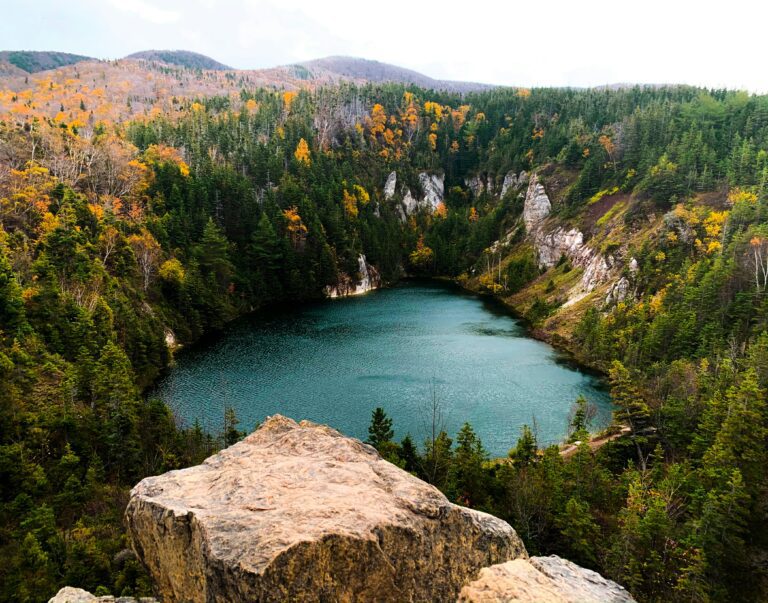
Autumn, from September to November, transforms Fundy National Park into a breathtaking canvas of vibrant colors as the leaves of deciduous trees change from green to hues of red, orange, and gold. The crisp air and cooler temperatures make fall an ideal time for hiking and exploring the park’s extensive trail network. Photographers flock to capture the stunning fall foliage against the backdrop of the park’s rugged landscapes and scenic vistas. Fall also marks the beginning of the salmon run in the park’s rivers, attracting wildlife enthusiasts eager to witness this natural spectacle.
Winter, from December to March, offers a serene and tranquil experience in Fundy National Park, with snow-covered landscapes and a peaceful ambiance. While some trails may be closed or less accessible due to snowfall, winter enthusiasts can enjoy activities such as cross-country skiing, snowshoeing, and ice skating on frozen lakes. The park’s campgrounds may be closed during the winter months, but nearby accommodations offer cozy retreats for visitors seeking a winter getaway. Winter also provides excellent opportunities for wildlife viewing, as animals forage for food in the snow-covered forests.
Top 3 Facts about Fundy National Park
Fundy National Park sits on the southeastern coast of New Brunswick and encompasses 207 square kilometres of shoreline, Acadian highland forest, and river valleys along the Bay of Fundy. Established in 1948 as New Brunswick’s first national park, the park experiences the world’s highest recorded tides, with up to 12 metres or more of water rising and falling twice each day on a six-hour tidal cycle. At low tide, visitors can walk on the ocean floor that is submerged under metres of Atlantic water just hours later.
The park contains over 100 kilometres of hiking and biking trails leading to more than 25 waterfalls in the Acadian highland interior, including the popular Dickson Falls loop trail. Bennett Lake provides flatwater kayak and canoe paddling within the park, and licensed operators offer guided tidal kayaking on the Bay of Fundy itself. The park also operates a heated saltwater pool, tennis courts, and a golf course near the headquarters area in summer.
Fundy National Park is part of the Fundy Biosphere Reserve, a UNESCO-designated 430,000-hectare protected region, and the Acadian forest within the park blends two distinct forest types: boreal spruce and fir from the north and maple, birch, and beech hardwoods from the southwest. The park is home to the world’s oldest red spruce tree, estimated at over 400 years old. The village of Alma, immediately adjacent to the park’s entrance, is well known for its fresh seafood and serves as the park’s primary gateway community.
Travel Tips
Plan Ahead
Check tide tables before visiting; tidal exploration on the ocean floor is only possible at low tide, and the window for safely being on the bay floor typically lasts two to three hours around low water. Tide times are posted at the park visitor centre and available at tides.gc.ca. Campsite reservations should be made in advance through reservation.pc.gc.ca, especially for summer weekends. The park visitor centre opens in mid-May; hours vary by season. The Canada Strong Pass offers free admission and 25 percent off camping from June 19 to September 7, 2026. Check parks.canada.ca/fundy for current trail conditions.
Pack Appropriately
Rubber boots or water-resistant footwear are strongly recommended for tidal exploration on the bay floor, which is rocky, slippery with seaweed, and muddy in places. Bring rain gear; the Bay of Fundy coast receives frequent fog and rain throughout the visitor season. Layer clothing for the significant temperature difference between the exposed bay shore and the cool highland forest trails. Insect repellent is useful on forest trails from May through July. Bring tide table information and set a timer; the incoming tide moves faster than most visitors expect.
Respect Wildlife
The park is home to black bears, moose, white-tailed deer, coyotes, and numerous shorebirds. Keep a safe distance from all wildlife and never feed any animal. Bear encounters on forest trails require making noise and following Parks Canada bear safety guidelines. The Bay of Fundy and its intertidal zone support endangered Inner Bay of Fundy Atlantic salmon; do not disturb any stream or river habitat within the park. Respect seasonal closures around nesting shorebirds on beaches and rocky intertidal zones during summer. Keep leashed dogs away from wildlife and tidal wildlife communities.
Stay Informed
Check parks.canada.ca/fundy for current trail conditions, campground hours, and any seasonal closures before your visit. Verify current tide tables at tides.gc.ca before planning any tidal flat exploration. The incoming tide at the Bay of Fundy moves faster than at most coastal locations; always maintain awareness of your position on the tidal flat relative to current conditions. For park emergencies, call 9-1-1. For non-emergency park information, contact Fundy National Park at (506) 887-6000.
- Area (km²)
- 128.75
- Annual visitors
- 240 000
- Established year
- 1948
Accessibility & permits
Emergency

Planning a trip?
Tell us about your upcoming trip and how we can help!
Frequently Asked Questions
Ready to dive into what Fundy National Park has to offer? Let’s tackle some of the burning questions you might have as you plan your visit!
-
The closest city to Fundy National Park is Saint John, which is about a 1.5-hour drive away via New Brunswick Route 1. Alma, the village near the park, is also nearby but is not a city. Saint John is a major commercial center in southern New Brunswick.
-
The Kinnie Brook Trail is a good option for kids, offering an easy and medium difficulty level, making it suitable for families. This trail is part of the park’s diverse trail system, which includes various other family-friendly routes.
-
You can take your pet on most trails, but there are a few trails where pets are not allowed. Make sure to check the notices at trailheads and info centers for specific restrictions. Keep your pet on a leash at all times.
-
Yes, parking is included with the park pass. You do not need to pay an additional fee for parking if you have the pass.
-
Visit the sandy beaches at Herring Cove or the freshwater beaches at Bennett Lake or Wolfe Lake. Choose from over 100 kilometres of hiking trails, including the scenic Coastal Trail or the shorter Caribou Plain Boardwalk. Enjoy birdwatching to spot warblers, boreal chickadees, and various shoreline birds like gulls and terns.