Glaciers, Grizzlies, and the Iconic Going-to-the-Sun Road
Newest




Glaciers, Grizzlies, and the Iconic Going-to-the-Sun Road
Glacier National Park is one of those places that exceeds its own reputation. Established on May 11, 1910, and straddling the Continental Divide in northwestern Montana, the park protects more than one million acres of Rocky Mountain wilderness that rises in glaciated peaks, drops into forested lake valleys, and opens across alpine meadows that bloom each July in a sequence of wildflowers. Together with Canada’s Waterton Lakes National Park across the border, it forms the Waterton-Glacier International Peace Park, the world’s first international peace park, designated in 1932 and a UNESCO World Heritage Site since 1995.
The Going-to-the-Sun Road is the park’s defining experience: 53 miles of engineering achievement completed in 1932, climbing from the dense cedar and hemlock forests of the west side to Logan Pass at 6,646 feet on the Continental Divide before descending past the brilliant blue surface of St. Mary Lake on the east. In 2026, the park has ended the vehicle reservation system that was in place from 2021 through 2025. Visitors can drive the road without advance tickets, though Logan Pass parking is now limited to three hours to manage congestion. A ticketed express shuttle serves Logan Pass for visitors planning longer alpine hikes. Check nps.gov/glac for current road opening dates and access conditions before visiting.
The park’s 700 miles of maintained trails lead to hanging valleys, hidden lakes, and landscapes shaped by glaciers that have retreated measurably over recent decades. The Highline Trail, accessed from Logan Pass, traverses the Garden Wall for 11 miles above the treeline with continuous views of the peaks. Grinnell Glacier, reached via a combination of boat rides and a 5.5-mile hike from Many Glacier, offers one of the most accessible glacier experiences in the United States. The park supports more than 70 mammal species, including grizzly bears, black bears, mountain goats, bighorn sheep, gray wolves, moose, and elk. Mountain goats are regularly seen near Logan Pass boardwalks.
Explorer families and multi-generational groups will find Glacier manageable with planning. The park shuttle system reduces driving and parking pressure on the west side, and trails range from short lakeside loops to demanding backcountry routes. Pets are permitted on a leash in campgrounds, parking areas, and along park roads, but are not allowed on trails or in the backcountry. Verify current pet rules at nps.gov/glac before your visit.
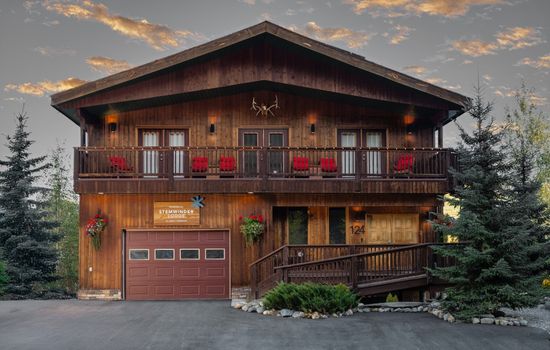
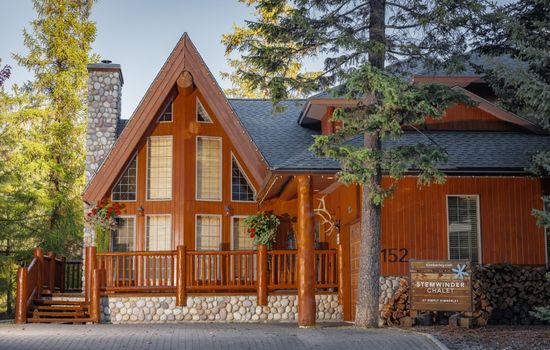
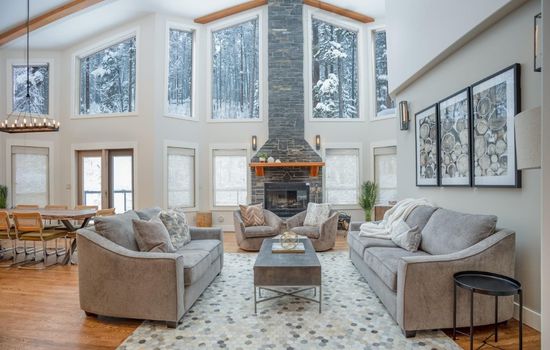
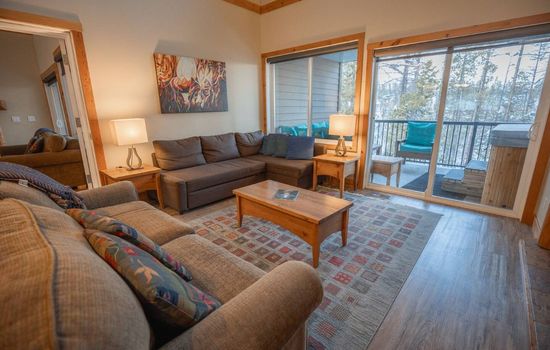
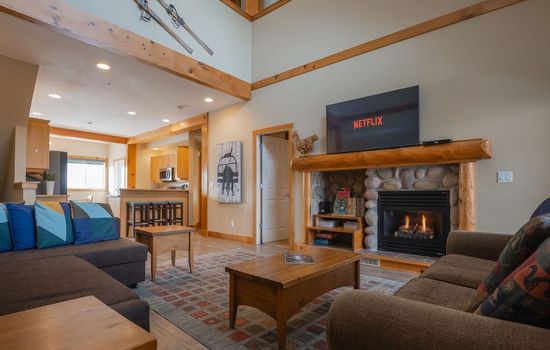
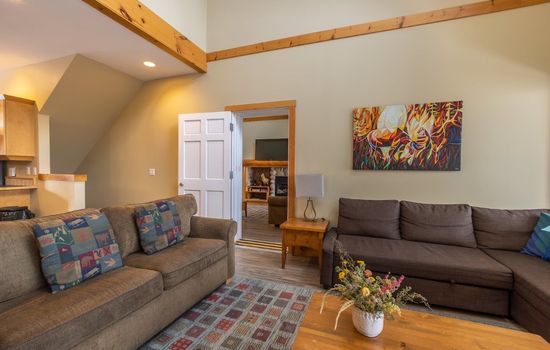
West Glacier and Whitefish, about 25 miles west of the park, are the most convenient bases, with cabin rentals, vacation homes, and cozy lakeside rentals with hot tubs and beautiful mountain views. Larger properties that sleep groups comfortably, with multiple bedrooms and full kitchens, are widely available throughout the Flathead Valley. St. Mary provides access to the east side with additional lodging options.
Reserve campgrounds well in advance at recreation.gov for peak summer dates. Check nps.gov/glac for current conditions, shuttle schedules, and permit requirements. Book your accommodations for Glacier National Park.
Seasons
Spring brings wildflowers, waterfalls, and fewer crowds. Some areas may remain snow-covered with limited access. Great for solitude and early wildlife.
Summer is peak season with long daylight hours and mild temps. Perfect for hiking, boating, Going-to-the-Sun Road, wildlife viewing, and ranger programs.
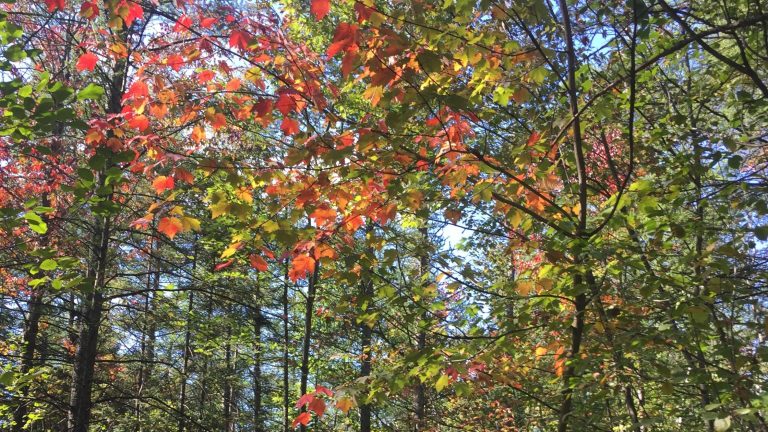
Fall transforms the park with vibrant foliage and wildlife migration. Fewer crowds, ideal for hiking, photography, and the elk rut.
Winter is serene with snowshoeing, cross-country skiing, and wildlife tracking. Limited road access. Ideal for solitude and scenic snowscapes.
Top 3 Facts about Glacier National Park, USA
The Going-to-the-Sun Road, completed in 1932, is a 53-mile scenic highway that crosses the Continental Divide at Logan Pass at 6,646 feet. It is designated a National Historic Civil Engineering Landmark and listed on the National Register of Historic Places. The high-country section of the road is typically open from late June or early July through mid-October depending on snowpack and avalanche conditions.
Glacier National Park forms the U.S. half of the Waterton-Glacier International Peace Park, shared with Canada’s Waterton Lakes National Park across the Montana-Alberta border. Dedicated in 1932, it was the world’s first international peace park. The combined area is a UNESCO World Heritage Site and a UNESCO International Biosphere Reserve, recognized for its ecological significance and biodiversity.
Glacier National Park supports more than 70 species of mammals and over 260 species of birds. Among the park’s most iconic residents are mountain goats, frequently seen on and near the Logan Pass boardwalks during summer, and grizzly bears, which roam the backcountry extensively from spring through fall. The park is considered one of the most important grizzly bear habitats remaining in the contiguous United States.
Travel Tips
Plan Ahead
No timed vehicle reservations are required to enter Glacier in 2026. An entrance pass is still required for all vehicles. Logan Pass parking is limited to three hours; the ticketed express shuttle serves Logan Pass for longer hikes. Reserve campgrounds at recreation.gov well in advance. Lodging in West Glacier, Whitefish, and St. Mary fills months ahead for July and August.
Pack Appropriately
Pack layers suitable for alpine conditions that can shift from warm to cold and wet within hours at Logan Pass and other high elevations. Bring rain gear, sturdy hiking boots, sunscreen, and extra water. Bear spray is strongly recommended on backcountry and wilderness trails. An America the Beautiful pass or Glacier annual pass saves on the per-vehicle entrance fee for families and multi-park trips.
Respect Wildlife
Keep a minimum of 100 yards from bears and wolves, and at least 25 yards from all other wildlife including mountain goats and bighorn sheep. Grizzly bears are present throughout the park; carry and know how to use bear spray on all wilderness trails. Never feed any animals. Store all food in bear-resistant containers at campgrounds. Pets are not allowed on trails or in the backcountry.
Stay Informed
Check nps.gov/glac frequently for current road and trail conditions, fire information, and shuttle details before and during your visit. Going-to-the-Sun Road opens progressively through spring; the full road typically opens by early July but avalanche conditions can delay opening. Sign up for park text alerts. Weather at Logan Pass and high elevations can change rapidly without warning.
- Area (mi²)
- 1583
- Annual visitors
- 2 933 616
- Established year
- 1910
Accessibility & permits
Emergency

Planning a trip?
Tell us about your upcoming trip and how we can help!
Frequently Asked Questions
Ready to dive into what Glacier National Park, USA has to offer? Let’s tackle some of the burning questions you might have as you plan your visit!
-
Whitefish offers the best access, located less than an hour from the western entrance and 16 miles from Glacier Park International Airport. It provides a convenient launching point with its walkable downtown and various amenities. Kalispell, though larger, is a bit farther away, while other towns like Columbia Falls and Polebridge are less centrally located for park access.
-
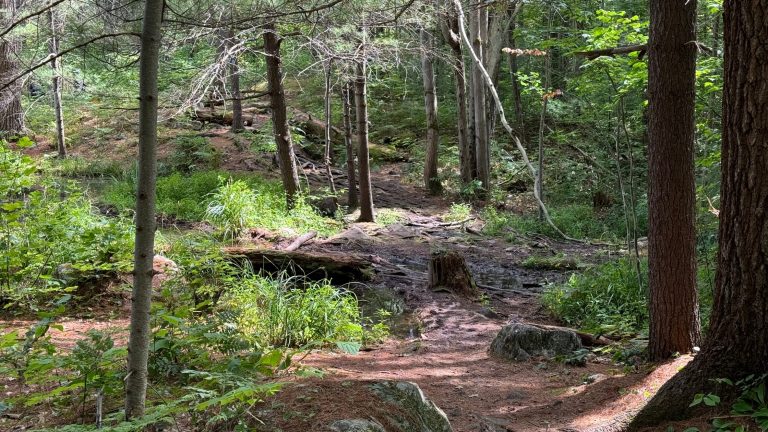
The Trail of the Cedars is a top choice, being a short, 1-mile roundtrip hike with only 60 feet of elevation gain. It is groomed and accessible for strollers or wheelchairs, features a wide path for kids to run, and includes a beautiful waterfall and creek.
-
No, dogs are not allowed on trails. They must stay on paved roads and parking areas, and can only be in campgrounds if they are not left alone. Dogs must be on a leash no longer than 6 feet.
-
Parking is not included with admission; you need a separate vehicle pass or an Interagency Annual/Lifetime Pass, and during peak times, a timed entry vehicle reservation is also required. This applies to all types of vehicles, including cars, motorcycles, camper vans, trailers, and motorhomes.【 】
-
The top attraction is Logan Pass, with over 1,273 reviews, it is a popular destination known for its scenic beauty and access to various hiking trails and wildlife viewing opportunities. Located along Going-to-the-Sun Road, it offers breathtaking views and is a central hub for park activities.