Discover breathtaking vistas and rich history in Minnesota's hidden gem of natural beauty.
Discover breathtaking vistas and rich history in Minnesota's hidden gem of natural beauty.
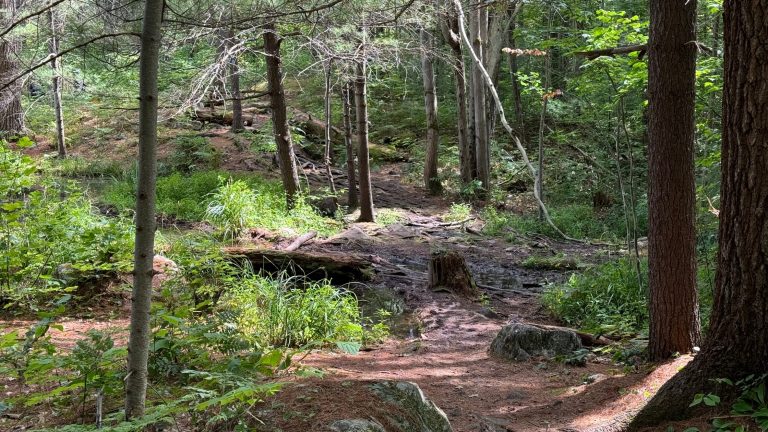
Grand Portage State Park, a hidden gem in Minnesota, beckons travelers with its breathtaking landscapes and rich history. This remarkable park showcases the stunning beauty of the North Shore, where the Pigeon River cascades dramatically over the impressive High Falls, the tallest waterfall in Minnesota. Visitors can immerse themselves in the natural splendor as they hike along well-maintained trails that wind through lush forests and offer panoramic views of the surrounding wilderness.
The park is steeped in history, serving as a vital hub for fur traders in the 18th century. Today, it invites guests to explore its cultural heritage through interpretive exhibits and guided tours that highlight the significance of the area. Adventurers can also partake in kayaking along the river, where the tranquil waters provide a perfect contrast to the roaring falls.
As the sun sets, the park transforms into a serene haven, ideal for stargazing and unwinding in nature’s embrace. Grand Portage State Park is not just a destination; it is an experience that captivates the senses and enriches the soul.
Seasons
In spring, the park’s trails lead to the thunderous High Falls, where the Pigeon River’s snowmelt creates a breathtaking spectacle, making it an ideal destination for nature enthusiasts.
Summer’s warm embrace transforms this park into a haven for hikers and photographers, offering accessible trails to the majestic High Falls and vibrant wildflowers in bloom.
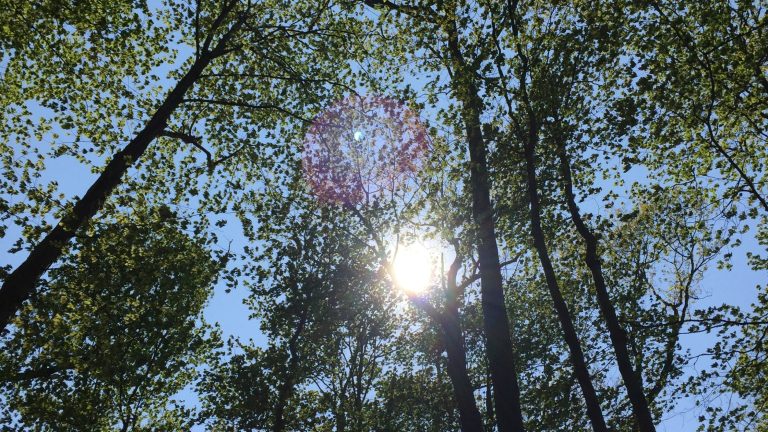
In autumn, the North Shore’s dense forests transform into a vibrant tapestry of reds, oranges, and yellows, offering breathtaking views and unparalleled hiking experiences.
Experience the serene beauty of frozen waterfalls and snow-covered trails during the winter months, offering a peaceful retreat and unique outdoor adventures.
Top 3 Facts about Grand Portage State Park
In this unique ecosystem, rare species such as the endangered eastern massasauga rattlesnake can be spotted, while unusual animal sightings, including migrating sandhill cranes and the vibrant, endemic wildflowers, create a stunning display of biodiversity that captivates nature enthusiasts and researchers alike.
This park experiences unique microclimates due to its proximity to Lake Superior, resulting in extreme temperature variations where nearby areas may be warm while the park remains significantly cooler, creating diverse ecosystems and unusual weather patterns that can shift dramatically within short distances.
Known for its breathtaking trails like the bizarrely named “Devil’s Kettle,” this area boasts records in outdoor sports such as the longest canoe race in Minnesota, while unusual park rules prohibit the use of drones, ensuring a serene experience for all visitors.
Travel Tips
Plan Ahead
To make the most of your visit, plan ahead by checking trail conditions and weather forecasts. Arrive early to secure parking and enjoy a peaceful hike before the crowds, and don’t forget to pack essentials like water, snacks, and a map to fully appreciate the stunning landscapes and rich history of this scenic destination.
Pack Appropriately
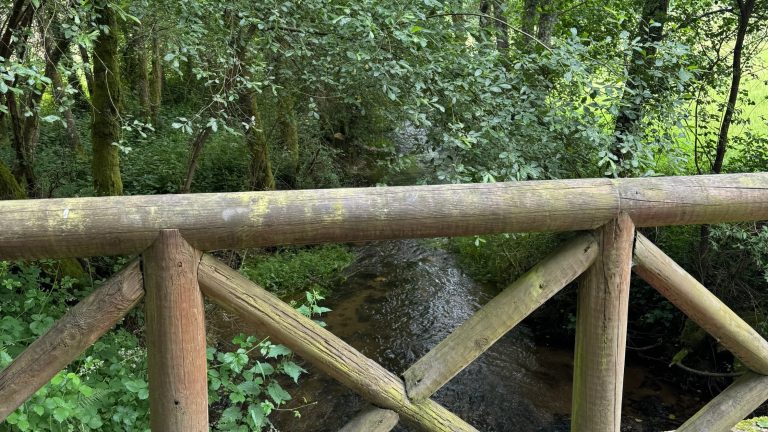
When preparing for your adventure in this stunning region, pack a pair of sturdy water shoes. The rocky shores and swift currents of the nearby waterways can surprise even seasoned hikers. These shoes will not only protect your feet while exploring the shoreline but also provide stability during unexpected river crossings, ensuring a safe and enjoyable experience.
Respect Wildlife
When exploring this stunning natural area, always respect the local wildlife. Keep a safe distance from animals, avoid feeding them, and stay on designated trails to minimize your impact on their habitats. Observing wildlife from afar enhances your experience while ensuring these creatures remain wild and healthy.
Stay Informed
Before your visit, check the weather forecast, temperatures, and any fire bans or notices. Ensure you know emergency contact information and inform someone about your destination and expected return time. Staying informed enhances your safety and enjoyment.
Accessibility & permits
Emergency

Planning a trip?
Tell us about your upcoming trip and how we can help!
Frequently Asked Questions
Ready to dive into what Grand Portage State Park has to offer? Let’s tackle some of the burning questions you might have as you plan your visit!
-
The park’s operating hours are typically from 8 AM to 10 PM daily, but it’s advisable to check the official website for seasonal variations and any special events.
-
Camping is available at Grand Portage State Park, with designated campsites offering amenities such as fire rings and picnic tables. Reservations are recommended during peak seasons to secure your spot.
-
Pets are allowed on hiking trails in designated areas, but they must be kept on a leash and cleaned up after. Check specific trail regulations for any restrictions.
-
The best time to visit Grand Portage State Park is during the summer months, from June to August, when the weather is warm and the trails are fully accessible. Fall also offers stunning foliage from late September to mid-October.
-
Guided tours are available at Grand Portage State Park, focusing on the area’s history, wildlife, and natural features. These tours can enhance your experience and provide deeper insights into the park’s significance.