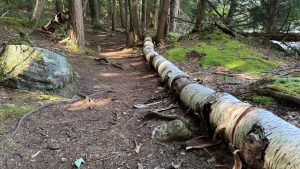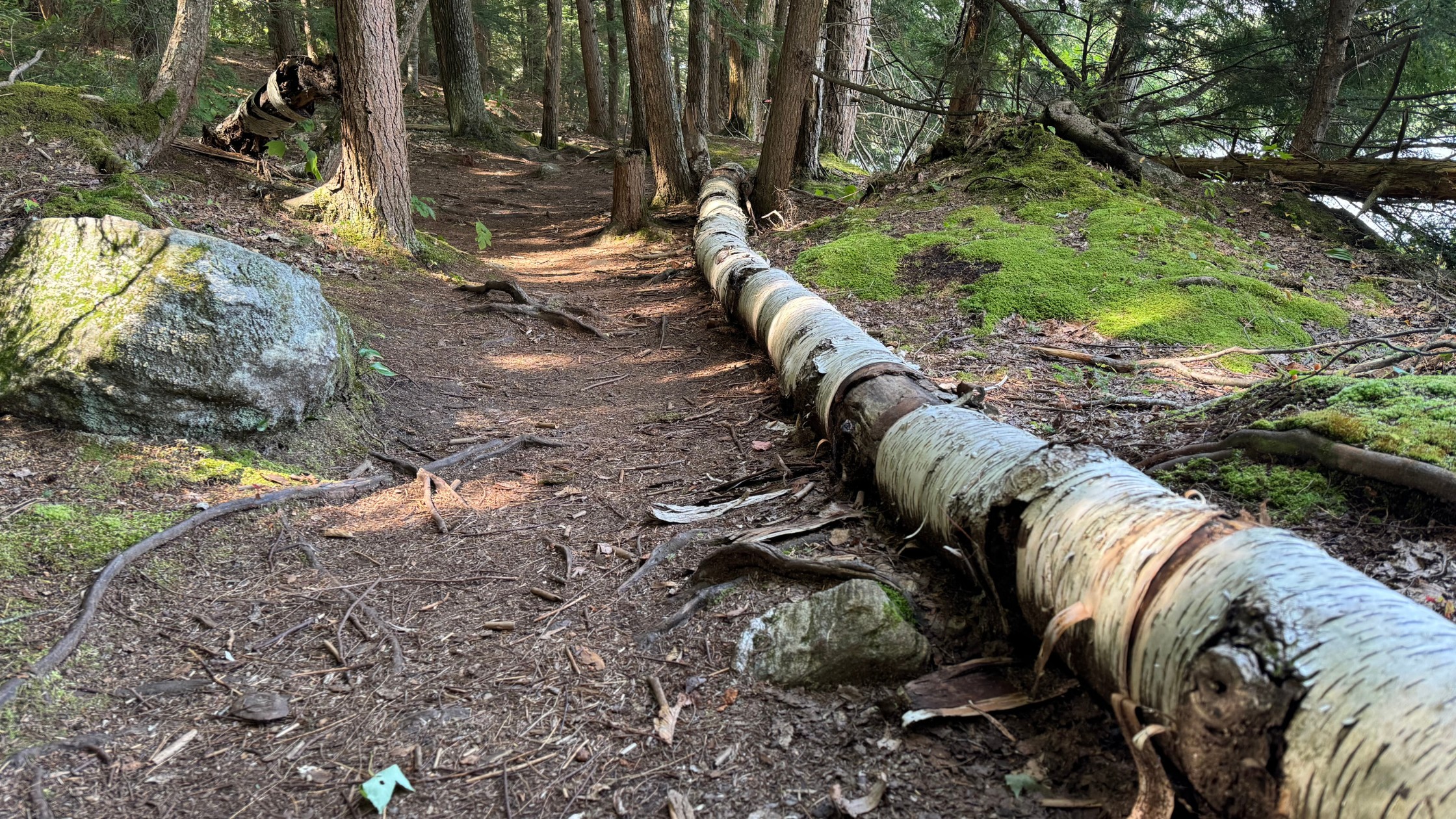
Discover a hidden gem of nature with scenic trails and tranquil lakes.



Discover a hidden gem of nature with scenic trails and tranquil lakes.
Harold Parker State Forest, a serene gem in Massachusetts, invites travelers to immerse themselves in nature’s tranquility. Spanning over 3,000 acres, this lush expanse boasts a rich tapestry of woodlands, wetlands, and sparkling ponds, making it an ideal retreat for outdoor enthusiasts and those seeking respite from urban life.
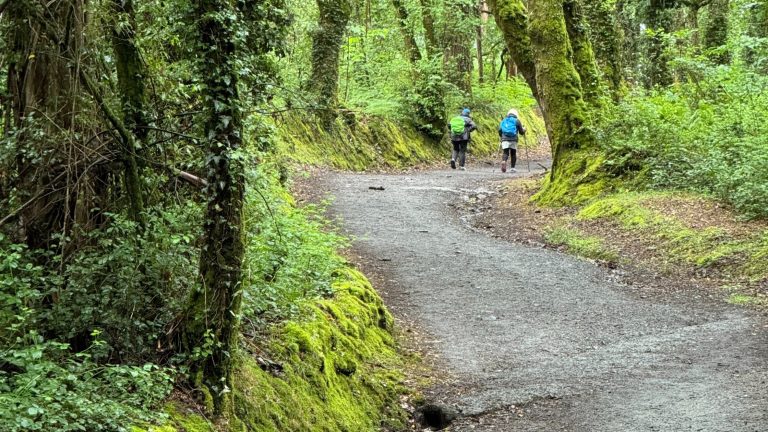
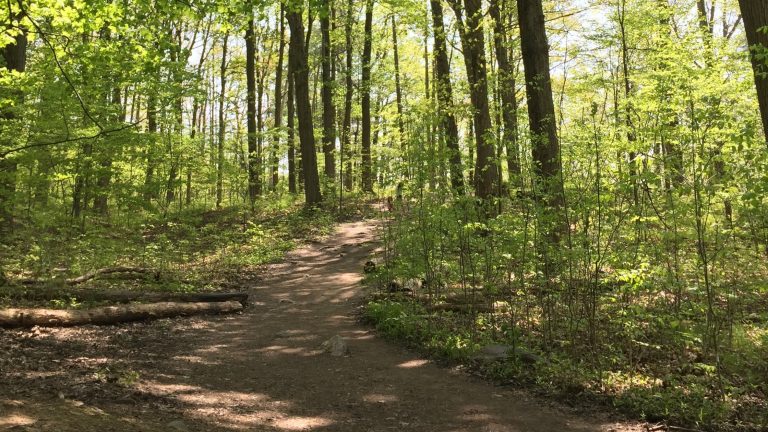
Visitors can explore an extensive network of trails that wind through the forest, offering opportunities for hiking, biking, and horseback riding. Each path reveals the beauty of the changing seasons, from vibrant autumn foliage to the refreshing greens of summer. Birdwatchers will delight in the diverse avian species that call this forest home, while anglers can cast a line in the serene waters, hoping to catch a glimpse of the local fish.
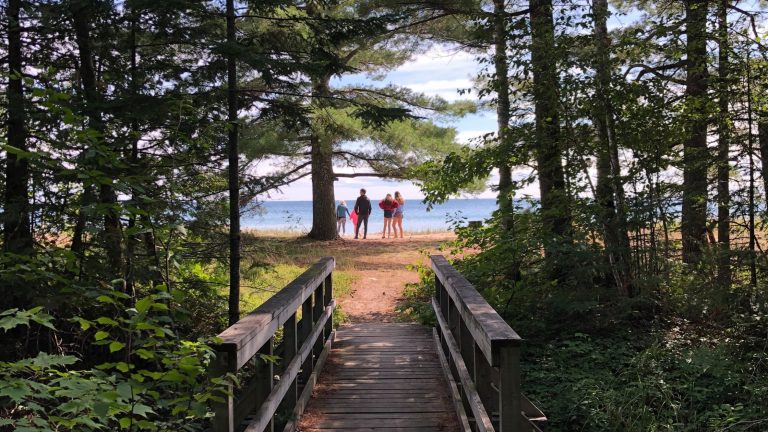
Harold Parker State Forest also features picnic areas perfect for a leisurely lunch amidst nature. As the sun sets, the forest transforms into a peaceful haven, providing a perfect backdrop for stargazing. This enchanting destination promises a rejuvenating escape, effortlessly blending adventure with tranquility.
Seasons
In spring, the forest’s 35 miles of trails and 11 serene ponds offer a rejuvenating escape, inviting visitors to hike, bike, or simply bask in nature’s beauty.
Summer at this Massachusetts gem offers a tapestry of activities from hiking and mountain biking to fishing and swimming in its 11 serene ponds, making June through August the perfect time to immerse in nature’s embrace.
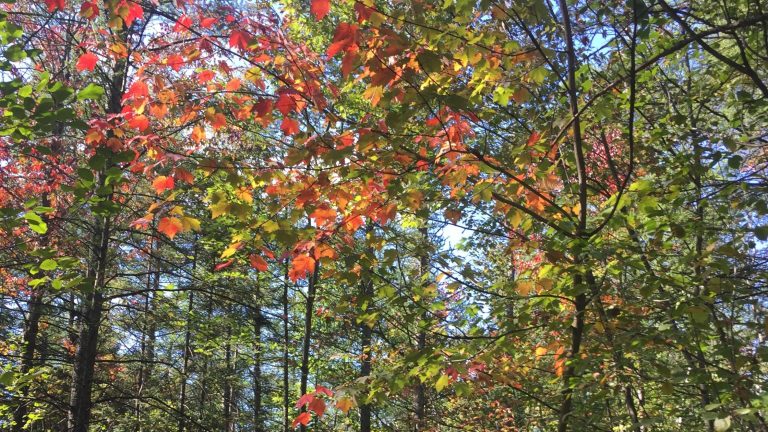
As autumn paints the landscape with vibrant hues, the crisp September air invites hikers to explore the winding trails, while October’s golden foliage and November’s serene beauty offer unparalleled opportunities for outdoor enthusiasts.
Embrace the serene beauty of snow-covered trails and tranquil ponds during the winter months, offering a peaceful retreat from the hustle and bustle of daily life.
Top 3 Facts about Harold Parker State Forest
In this unique forest, rare species like the Eastern Box Turtle and unusual animal sightings, such as the elusive Red Fox, highlight the area’s rich biodiversity, while fascinating migration events of various bird species occur annually, showcasing the intricate ecological dynamics at play.
In this region, unique microclimates can create stark temperature differences over short distances, allowing for diverse ecosystems where one area may experience snow while just a few miles away, temperatures remain mild, showcasing the fascinating interplay between geography and weather patterns.
Known for its diverse trails, the area boasts the bizarrely named “Screaming Hills” trail, while unusual regulations ban activities like swimming and horseback riding, emphasizing a focus on hiking and biking, making it a unique destination for outdoor enthusiasts seeking both adventure and tranquility.
Travel Tips
Plan Ahead
Planning ahead is essential for an enjoyable visit to this scenic forest. Research the trails that best suit your skill level, pack plenty of water and snacks, and consider the weather forecast to dress appropriately. Arriving early not only offers a chance to secure parking but also allows you to experience the tranquility of nature before the crowds arrive.
Pack Appropriately
When visiting this scenic forest, pack a lightweight, portable hammock to fully appreciate the serene surroundings. The area features numerous trees perfect for hanging out, allowing you to relax and soak in the beauty of the lush landscapes and tranquil waters. This unique addition to your gear enhances your experience, providing a perfect spot for a midday nap or reading in nature.
Respect Wildlife
When exploring this beautiful forest, prioritize wildlife respect by maintaining a safe distance from animals and refraining from feeding them. Observe birds, deer, and other creatures quietly to minimize disturbance, ensuring a harmonious experience for both visitors and wildlife. Carry out all trash to protect their habitat and contribute to the preservation of this natural ecosystem.
Stay Informed
Stay informed before your visit by checking the weather, temperatures, and any fire bans or notices in the area. Always let someone know your destination and expected return time, and keep emergency contact information handy for a safe outing.
Accessibility & permits
Emergency

Information not accurate?
Help us improve by making a suggestion.
Frequently Asked Questions
Ready to dive into what Harold Parker State Forest has to offer? Let’s tackle some of the burning questions you might have as you plan your visit!
-
Harold Parker State Forest offers a variety of activities including hiking, biking, horseback riding, and fishing. There are over 35 miles of trails that cater to different skill levels, providing scenic views and opportunities for wildlife observation. Additionally, the forest features picnic areas and playgrounds, making it a great spot for family outings.
-
Pets are allowed in Harold Parker State Forest, but they must be leashed and cleaned up after. This policy ensures that both pets and wildlife can coexist safely, allowing visitors to enjoy the natural surroundings with their furry companions.
-
The camping facilities at Harold Parker State Forest include a campground with sites for tents and RVs, restrooms, and showers. Some sites are equipped with picnic tables and fire rings, providing a comfortable camping experience immersed in nature. Reservations are recommended during peak seasons.
-
Harold Parker State Forest features a range of trail options including multi-use trails for hiking, biking, and horseback riding. The trails vary in difficulty, catering to both novice and experienced outdoor enthusiasts. Notable trails include the 1.5-mile Pine Woods Trail and the 3-mile Bay Circuit Trail, which showcases the forest’s diverse ecosystems.
-
The history of Harold Parker State Forest dates back to the 1930s when it was established as a public recreation area. Originally part of a larger land grant, the forest was developed by the Civilian Conservation Corps, contributing to its infrastructure and natural beauty. Today, it serves as a vital recreational space for the community and a habitat for various wildlife species.