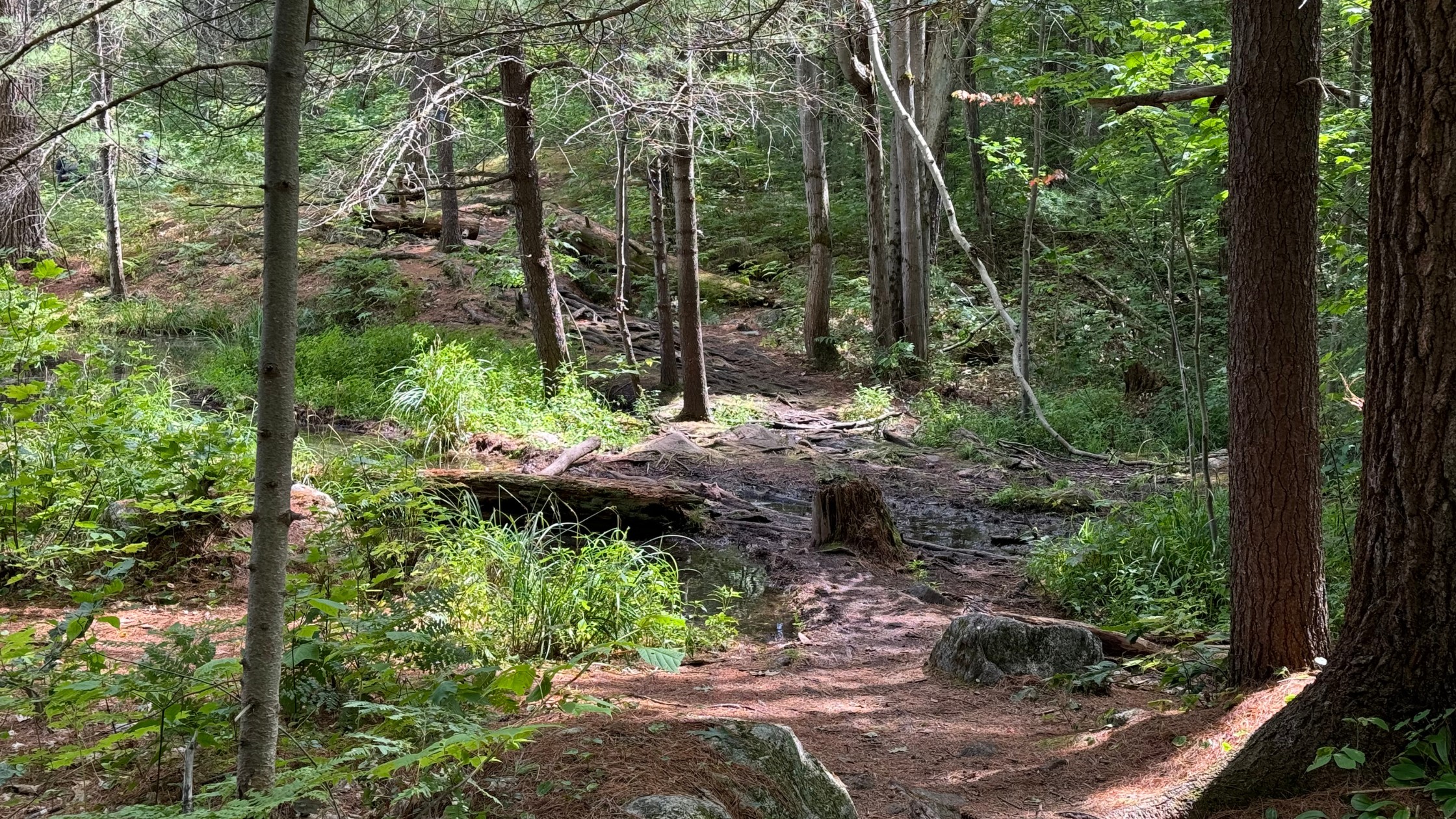
Discover a serene haven for birdwatching and nature exploration in this hidden gem.

























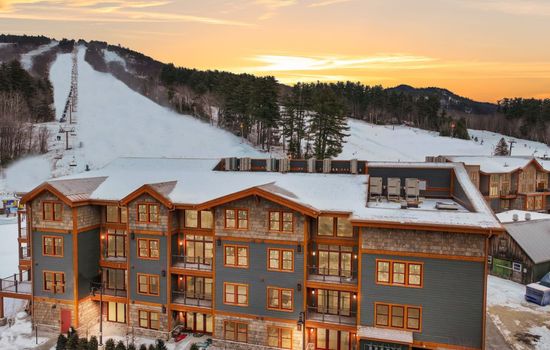

Discover a serene haven for birdwatching and nature exploration in this hidden gem.
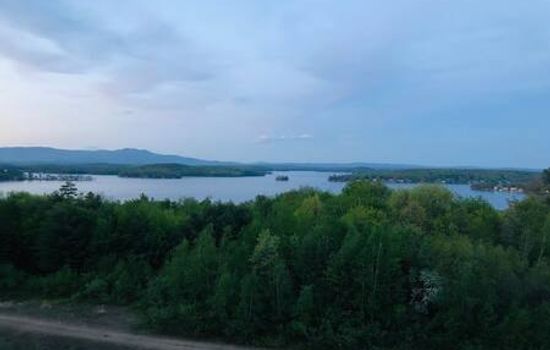
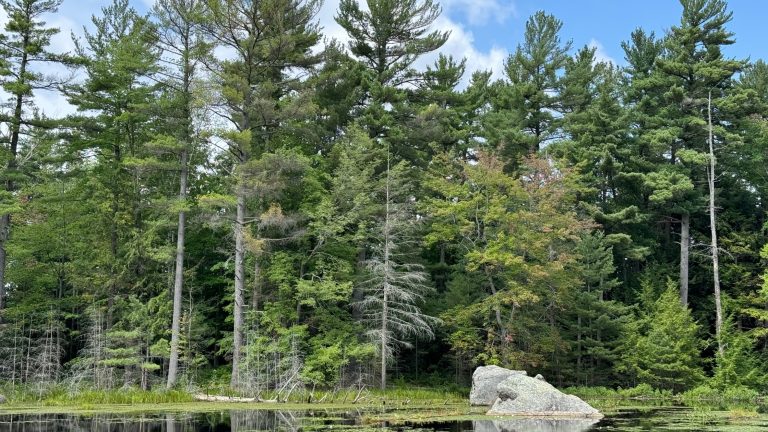
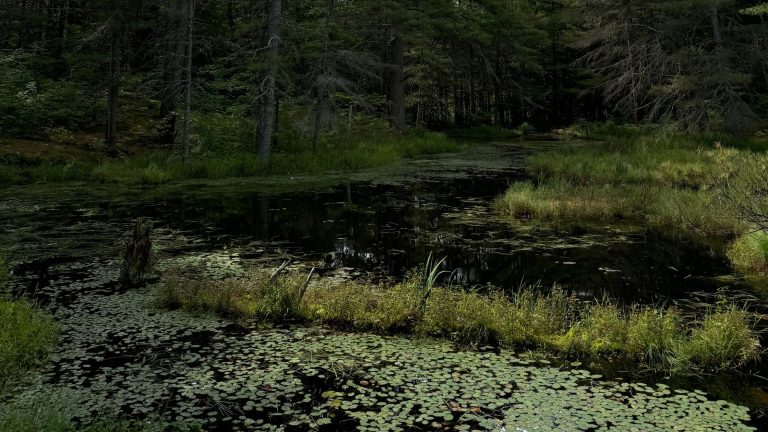
Hirst Marsh Wildlife Management Area in Washington offers an exquisite escape into nature, where the serene beauty of the Pacific Northwest unfolds in a tapestry of lush landscapes and vibrant wildlife. Spanning over 1,000 acres, this hidden gem invites visitors to explore its diverse ecosystems, from tranquil wetlands to dense forests, each brimming with life.
Birdwatchers flock to Hirst Marsh, drawn by the chorus of avian melodies that fill the air. The area serves as a vital habitat for migratory birds, making it a prime spot for observing species in their natural habitat. With well-maintained trails winding through the marsh, guests can immerse themselves in the sights and sounds of nature while capturing stunning photographs of the wildlife.
In addition to birdwatching, Hirst Marsh offers ample opportunities for hiking and photography. Each season brings a new palette of colors, transforming the landscape into a breathtaking display. Whether you seek solitude or adventure, this wildlife management area promises a rejuvenating experience, perfect for those looking to connect with the natural world.
Seasons
Spring’s arrival transforms the landscape into a vibrant tapestry of blooming wildflowers and melodious bird songs, offering an unparalleled opportunity to immerse oneself in nature’s rejuvenation.
Summer’s warm temperatures and abundant sunshine transform the area into a haven for birdwatching, with migratory species arriving in June and nesting in July and August.
In fall, the area transforms into a haven for wildlife enthusiasts, offering prime opportunities to witness migratory birds, observe the rutting behavior of deer and elk, and enjoy the vibrant autumn foliage.
Winter’s chill transforms the landscape into a haven for migratory birds, offering unparalleled opportunities for birdwatching and wildlife photography.
Top 3 Facts about Hirst Marsh Wildlife Management Area
This area is known for its unusual animal sightings, including the rare sighting of the endangered Black-crowned Night-Heron, which migrates through the region, and the presence of endemic species like the unique marshland beetle, showcasing the rich biodiversity and ecological significance of this habitat.
In 1996, a rare phenomenon known as a ‘microburst’ occurred, where a sudden downdraft from a thunderstorm caused localized extreme winds, uprooting trees and altering the landscape, showcasing the unpredictable nature of weather and its profound impact on local ecosystems.
This wildlife management area features unique trails like the “Whispering Pines” and “Serpent’s Path,” while unusual rules prohibit loud music and motorized vehicles, ensuring a serene environment for wildlife enthusiasts and offering an opportunity for first-time birdwatchers to spot rare species in their natural habitat.
Travel Tips
Plan Ahead
Planning ahead is key to fully enjoying this beautiful wildlife haven. Be sure to check the weather and trail conditions before your visit, and pack essentials like water, snacks, and binoculars for wildlife viewing. Arriving early allows you to experience the serene morning atmosphere and increases your chances of spotting diverse bird species and other wildlife in their natural habitat.
Pack Appropriately
When packing for your visit, consider bringing rubber boots to navigate the marshy terrain comfortably. The area’s unique wetlands can be muddy, especially after rain, so sturdy footwear will keep you dry and allow you to explore the diverse habitats without hindrance. Don’t forget binoculars for birdwatching; the region is a haven for migratory species.
Respect Wildlife
When exploring this stunning wildlife management area, prioritize respecting the local fauna. Keep a safe distance from animals, avoid feeding them, and stick to marked trails to minimize your impact. Bring binoculars for a closer look at birds and other wildlife, allowing you to appreciate their natural behaviors without disturbing their habitat.
Stay Informed
Before your visit, check the weather forecast, temperatures, and any fire bans or notices. Familiarize yourself with emergency contact information and ensure someone knows your destination and expected return time. Staying informed helps ensure a safe and enjoyable experience.
Accessibility & permits
Emergency

Planning a trip?
Tell us about your upcoming trip and how we can help!
Frequently Asked Questions
Ready to dive into what Hirst Marsh Wildlife Management Area has to offer? Let’s tackle some of the burning questions you might have as you plan your visit!
-
Hirst Marsh Wildlife Management Area offers a variety of activities including birdwatching, hiking, and wildlife observation, making it an ideal spot for nature enthusiasts and photographers. Visitors can explore trails that provide access to diverse habitats and scenic views of the marsh.
-
Camping is not permitted in Hirst Marsh Wildlife Management Area, as the area is primarily designated for wildlife conservation and public recreation without overnight facilities.
-
Wildlife species that can be observed at Hirst Marsh include a variety of birds such as ducks, herons, and shorebirds, along with mammals like deer and various small mammals. The area is a crucial habitat for migratory birds, especially during the spring and fall.
-
Yes, there are seasonal closures at Hirst Marsh Wildlife Management Area, typically during the nesting season to protect sensitive wildlife. It’s advisable to check local regulations for specific dates and any additional restrictions.
-
To obtain a Discover Pass for Hirst Marsh, you can purchase one online through the Washington State Parks website, at designated retail locations, or by phone. The pass is required for vehicle access to state-managed lands, including Hirst Marsh.