Discover breathtaking coastal views and serene wildlife in this hidden gem of California.
Discover breathtaking coastal views and serene wildlife in this hidden gem of California.
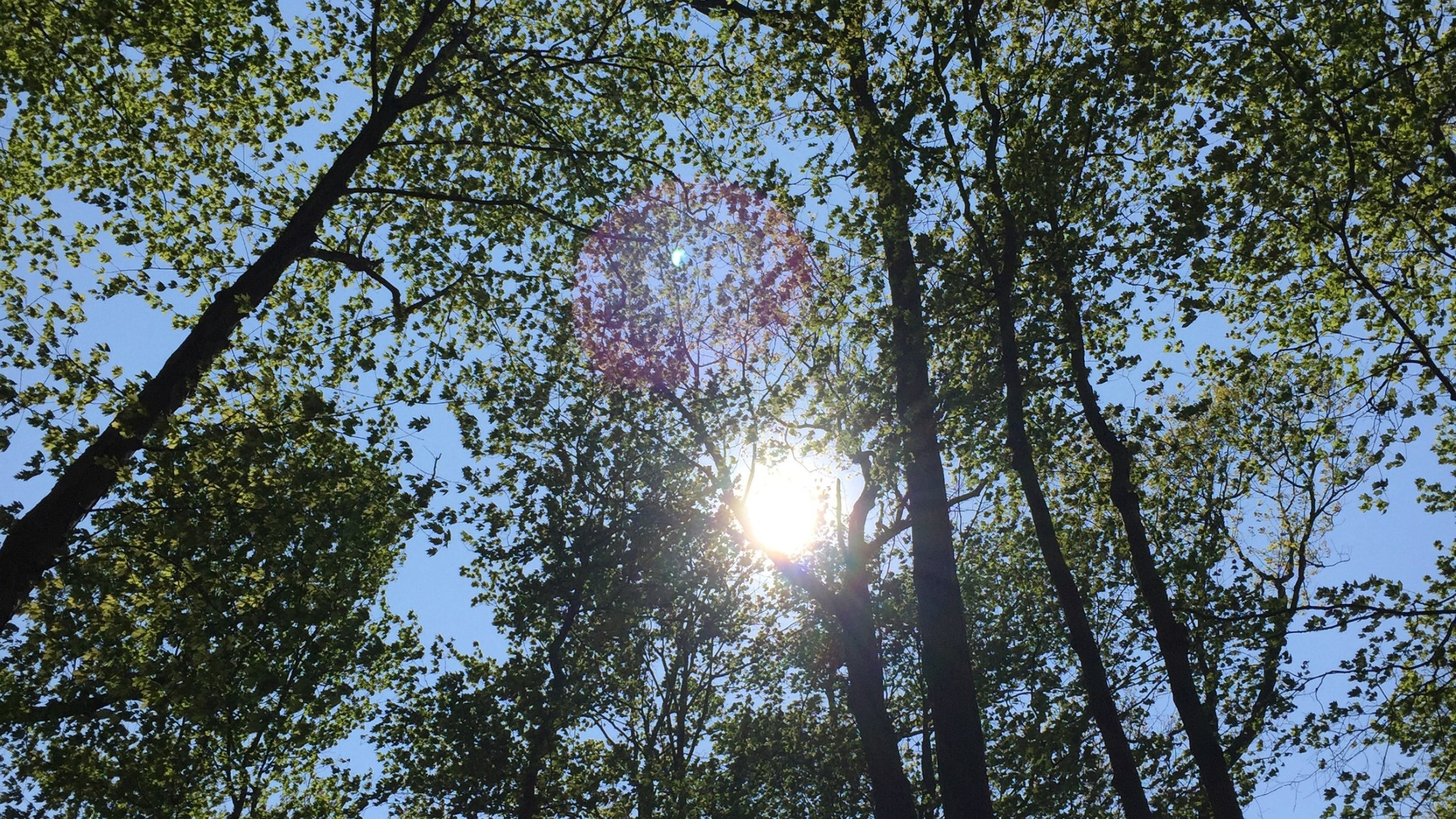
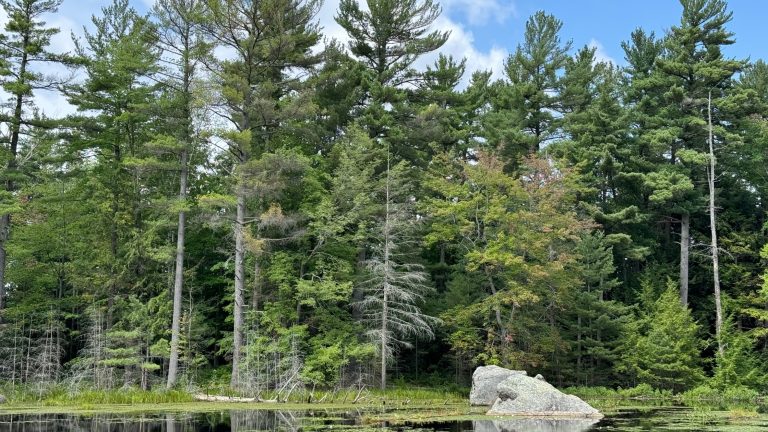
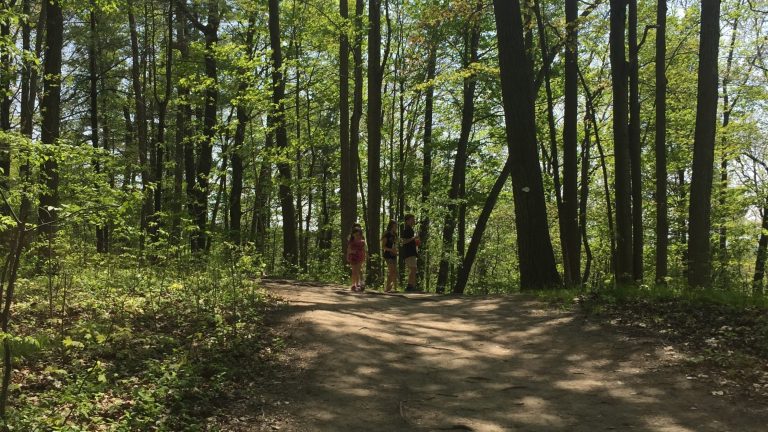
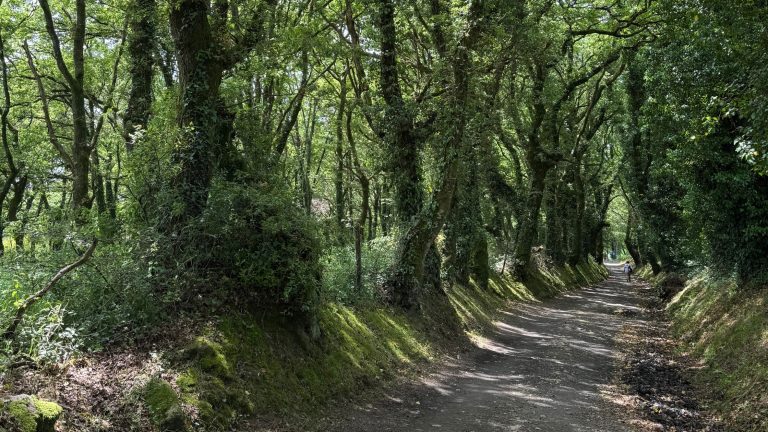
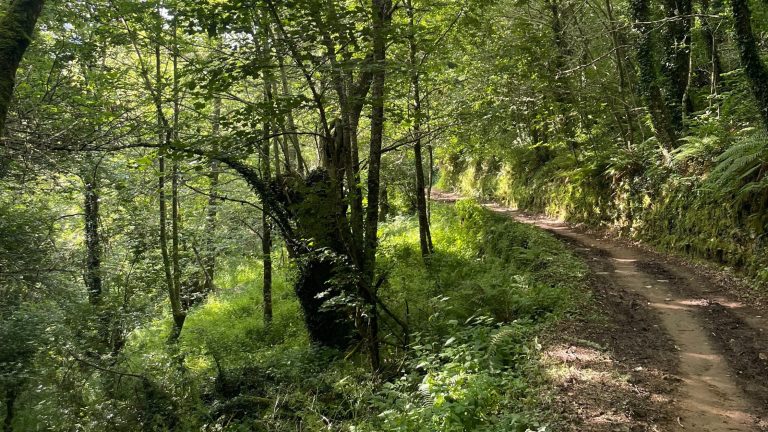
Humboldt Lagoon State Park invites travelers to immerse themselves in California’s breathtaking coastal beauty. This hidden gem, located along the scenic Highway 101, boasts a diverse landscape where lush forests meet the tranquil waters of the lagoon. Nature enthusiasts will find an array of activities, from kayaking on the serene waters to hiking through the verdant trails that wind through towering redwoods.
As you explore, the park’s rich biodiversity reveals itself. Birdwatchers can delight in spotting migratory species, while those seeking solitude can find peace along the pristine beaches that stretch along the Pacific coastline. The gentle sound of waves crashing against the shore creates a soothing backdrop, perfect for reflection or simply soaking in the natural beauty.
Whether you seek adventure or a quiet retreat, Humboldt Lagoon State Park offers an unparalleled experience. Its stunning vistas and serene atmosphere make it an ideal destination for luxury travelers looking to connect with nature without sacrificing comfort.
Seasons
In spring, the park’s lush greenery and mild temperatures create an idyllic setting for kayaking, fishing, and camping amidst towering redwoods and tranquil lagoons.
In summer, the cool coastal climate and abundant wildlife make June, July, and August ideal for exploring the serene waters and lush landscapes of this coastal haven.
In fall, the park’s serene lagoons and coastal trails offer a tranquil retreat, with September’s mild weather, October’s vibrant foliage, and November’s migratory birds enhancing the experience.
Winter’s embrace transforms the coastal landscape into a serene haven where visitors can witness the dynamic interplay between ocean storms and tranquil lagoons, offering unparalleled opportunities for storm watching, wildlife observation, and solitude amidst the majestic redwoods.
Top 3 Facts about Humboldt Lagoon State Park
Humboldt Lagoon is renowned for its unusual animal sightings, including the rare Pacific black brant goose, which migrates in large flocks, and the endemic red-legged frog, both showcasing the region’s unique biodiversity and the importance of preserving such habitats for future generations.
At this coastal location, unique microclimates create distinct weather patterns where fog can roll in suddenly, drastically dropping temperatures, while just a few miles inland, sunny, warm conditions prevail, showcasing the dramatic contrasts that can occur within such a small geographic area.
Known for its diverse recreational opportunities, the park boasts the unusual trail name “Dune Buggy Trail” and unique rules prohibiting metal detecting, creating a fascinating environment for outdoor enthusiasts while honoring the area’s natural beauty and preserving its historical significance.
Travel Tips
Plan Ahead
When visiting this stunning coastal destination, planning ahead is essential to maximize your experience. Arrive early to secure parking and enjoy the serene beauty of the lagoon before the crowds. Don’t forget to pack essentials like water, snacks, and layers for changing weather, as well as a camera to capture the breathtaking views and diverse wildlife that call this area home.
Pack Appropriately
When packing for your trip, consider bringing layers to adapt to the coastal climate, which can shift from sunny to foggy in minutes. Don’t forget binoculars; the diverse birdlife and stunning coastal views offer perfect opportunities for wildlife watching, especially during early mornings or late afternoons when the light is magical.
Respect Wildlife
Respect the diverse wildlife by observing animals from a distance and avoiding any disruption to their natural habitats. Stay on marked trails to minimize your impact on the ecosystem, and remember that feeding wildlife can harm their natural foraging instincts. Carry binoculars for a closer look at the fascinating birds and marine life without disturbing them.
Stay Informed
Before your visit, check the weather, temperatures, and any fire bans or notices to ensure a safe experience. Always inform someone of your destination and expected return time, and keep emergency contact information handy. Staying informed helps you enjoy your trip while prioritizing safety.
Accessibility & permits
Emergency

Planning a trip?
Tell us about your upcoming trip and how we can help!
Frequently Asked Questions
Ready to dive into what Humboldt Lagoon State Park has to offer? Let’s tackle some of the burning questions you might have as you plan your visit!
-
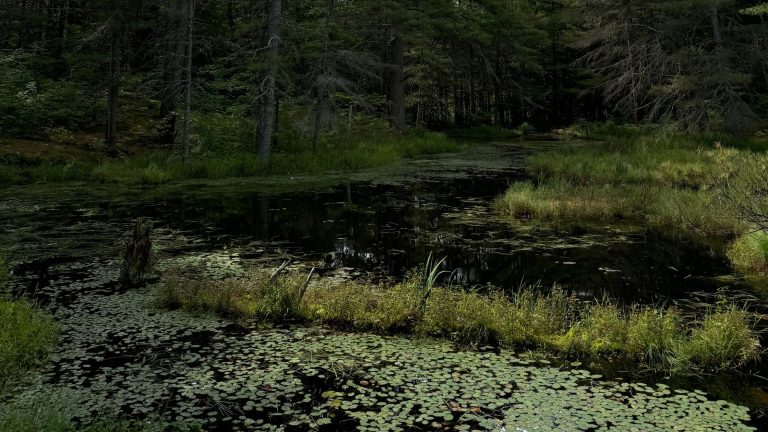
Humboldt Lagoons State Park offers a variety of activities including hiking, birdwatching, fishing, and picnicking. The park features several scenic trails that meander through coastal wetlands and forests, providing stunning views of the lagoons and surrounding landscapes. Kayaking and canoeing are also popular, allowing visitors to explore the tranquil waters and observe wildlife.
-
Yes, there are camping facilities within Humboldt Lagoons State Park. The park has a campground with sites for tents and RVs, equipped with picnic tables, fire rings, and access to restrooms. Reservations are recommended, especially during peak seasons, to secure a spot.
-
To reach Humboldt Lagoons State Park, take Highway 101 to the town of Trinidad, then follow Highway 299 west toward the coast. The park entrance is clearly marked, and there are signs directing visitors to the various lagoons and facilities.
-
Visitors to Humboldt Lagoons State Park can expect to see a diverse array of wildlife, including sea otters, harbor seals, and various bird species such as herons, egrets, and migratory waterfowl. The park’s rich ecosystems support both marine and terrestrial wildlife, making it a prime spot for nature enthusiasts.
-
The best time to visit Humboldt Lagoons State Park is during the spring and fall months when the weather is mild and wildlife activity is high. Spring brings wildflower blooms and migratory birds, while fall offers opportunities to see seals and other wildlife as they prepare for winter.