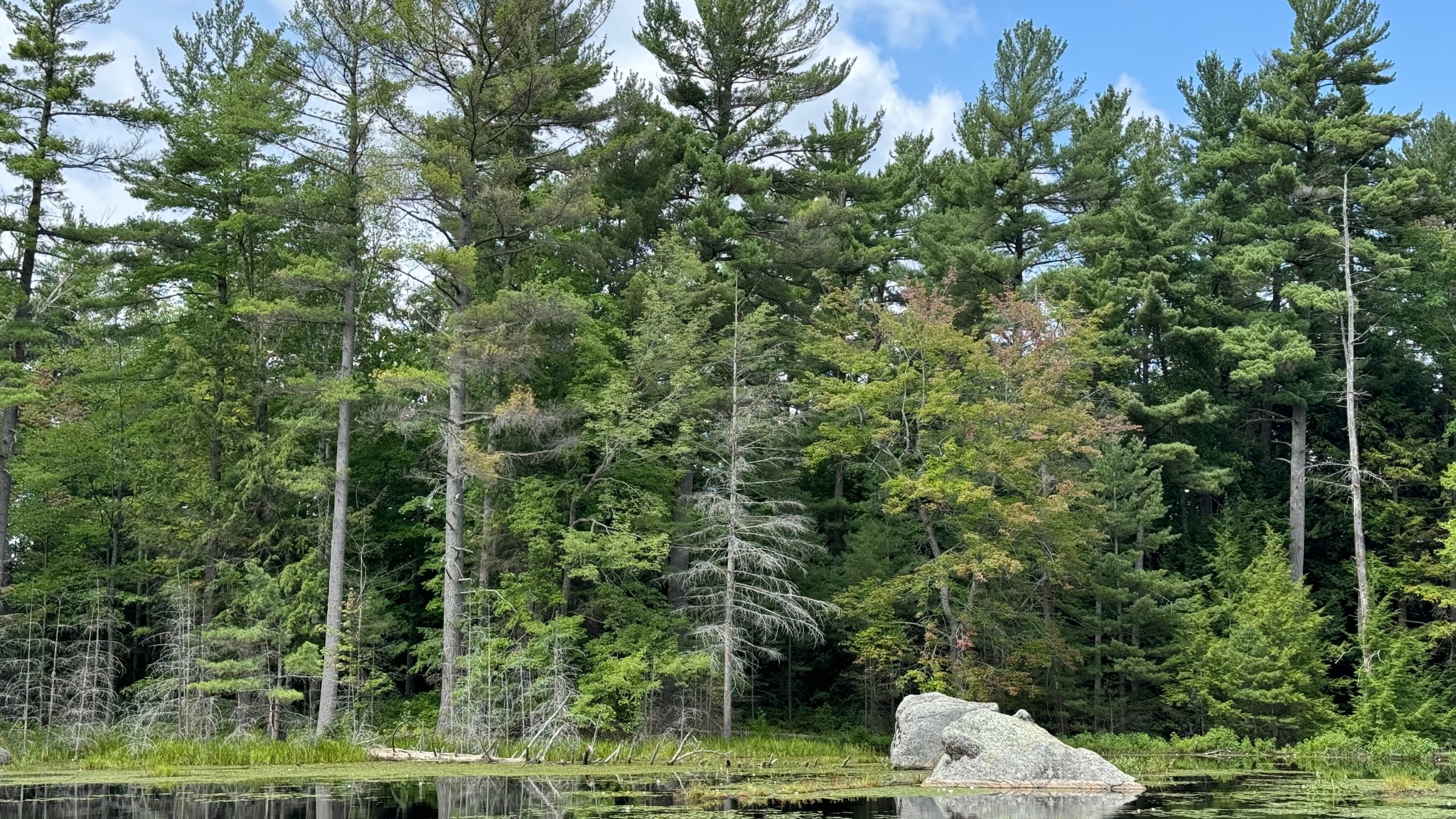
Experience thrilling off-road adventures amid breathtaking California landscapes and diverse wildlife.

Experience thrilling off-road adventures amid breathtaking California landscapes and diverse wildlife.
Hungry Valley State Vehicular Park, a hidden gem in California’s diverse landscape, invites adventure seekers to explore its expansive terrains and thrilling trails. Spanning over 19,000 acres, this park offers an exhilarating playground for off-road enthusiasts. With over 130 miles of meticulously maintained trails, it caters to all skill levels, from novice riders to seasoned adventurers, ensuring every visitor finds their perfect path.
The park’s unique topography features rolling hills, rugged canyons, and sweeping vistas, providing a stunning backdrop for outdoor activities. As you traverse the winding paths, you may encounter native wildlife, adding an element of surprise to your journey. The vibrant desert flora bursts to life in spring, creating a picturesque setting for both photography enthusiasts and nature lovers alike.
Hungry Valley State Vehicular Park also offers well-appointed camping facilities, allowing visitors to immerse themselves in the beauty of the California wilderness. Whether you seek adrenaline-pumping rides or serene moments under the stars, this park promises an unforgettable escape into nature’s embrace.
Seasons
Spring’s mild temperatures and vibrant wildflower blooms transform this off-road haven into a picturesque playground, offering exhilarating trails and breathtaking vistas for adventure seekers.
Summer’s warm, dry days and clear skies make June, July, and August ideal for off-road adventures, camping, and exploring the park’s diverse trails and natural beauty.
As autumn paints the landscape with vibrant hues, the crisp air and mild temperatures of September through November invite off-road enthusiasts to explore diverse terrains and enjoy exhilarating adventures.
Winter’s crisp air and clear skies invite off-road enthusiasts to explore the park’s diverse trails, offering a refreshing alternative to the summer heat.
Top 3 Facts about Hungry Valley State Vehicular Park
During migration seasons, unique animal sightings occur, including rare species like the California tiger salamander and the elusive San Joaquin kit fox, both of which rely on specific habitats, making their presence a fascinating indicator of the region’s biodiversity and ecosystem health.
In this unique region, extreme temperature variations can occur within short distances, creating microclimates that support diverse ecosystems, while storm-related phenomena sometimes lead to sudden flooding, transforming the landscape and revealing hidden geological features, making it a fascinating study for meteorologists and nature enthusiasts alike.
Home to California’s first designated off-highway vehicle park, this expansive area features bizarrely named trails like “The Boneyard” and “Screaming Eagle,” while enforcing unusual rules such as banning glass containers and requiring spark arresters to ensure safety and preserve the unique landscape.
Travel Tips
Plan Ahead
Planning ahead is essential for an unforgettable adventure in this expansive off-road paradise. Research trail maps and weather conditions, and arrive early to secure a prime parking spot. Don’t forget to pack essentials like water, snacks, and a first-aid kit, ensuring you’re well-prepared to explore the stunning landscapes and diverse terrains. A little preparation goes a long way in maximizing your experience.
Pack Appropriately
When preparing for your adventure, consider packing a lightweight, portable shade structure. The region’s desert climate can lead to intense sun exposure, even in cooler months. A few extra sun protection measures, like a wide-brimmed hat and high-SPF sunscreen, will enhance your experience, allowing you to explore the stunning trails and rugged terrain comfortably without the risk of overheating.
Respect Wildlife
When exploring this stunning California landscape, prioritize wildlife conservation by observing animals from a distance and staying on designated trails. Avoid feeding or approaching wildlife, as this can disrupt their natural behaviors and habitats. By respecting their space, you contribute to a thriving ecosystem and ensure future visitors can enjoy the same breathtaking encounters.
Stay Informed
Before your visit, check the weather and temperatures, and be aware of any fire bans or notices. Make sure to inform someone of your destination and expected return time, and keep emergency contact information handy. Staying informed ensures a safe and enjoyable outdoor experience.
Accessibility & permits
Emergency

Planning a trip?
Tell us about your upcoming trip and how we can help!

Frequently Asked Questions
Ready to dive into what Hungry Valley State Vehicular Park has to offer? Let’s tackle some of the burning questions you might have as you plan your visit!
-
Yes, Hungry Valley SVRA is currently open for visitors.
-
The trail conditions vary depending on recent weather, but generally, the trails are in good shape for off-road vehicles. It’s recommended to check local updates for any specific trail closures or maintenance notices.
-
Yes, there are camping facilities available at Hungry Valley SVRA, including both developed campgrounds and primitive camping areas. Reservations are recommended, especially during peak seasons.
-
To make a reservation, visit the California State Parks website or call the park office directly. Reservations can typically be made online for specific campsites.
-
The park’s operating hours are from 8 AM to sunset daily, but it’s advisable to check for seasonal changes or special events that may affect hours.