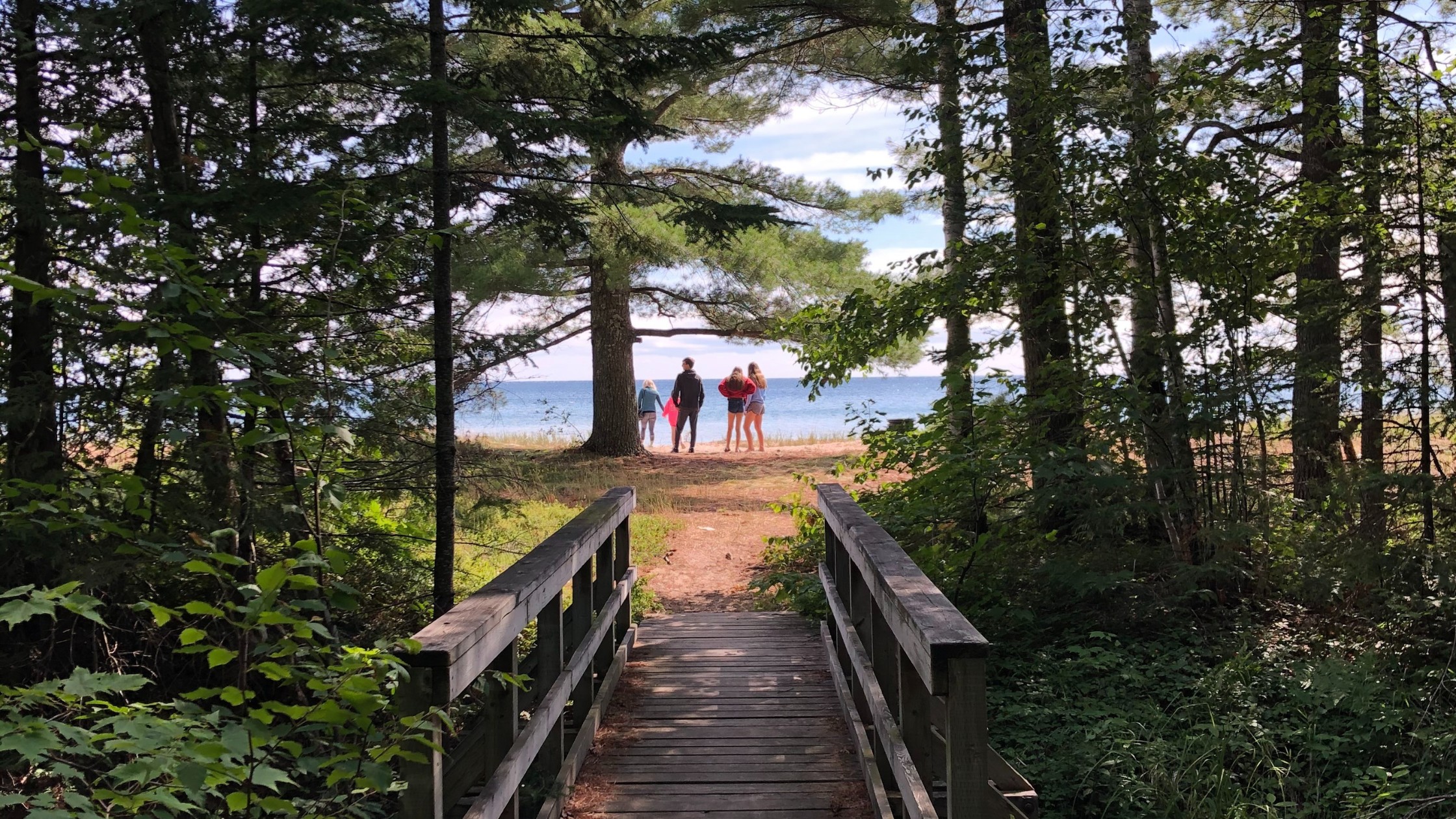
Discover pristine shores and vibrant wildlife in New Jersey's coastal paradise.






Discover pristine shores and vibrant wildlife in New Jersey's coastal paradise.
Island Beach State Park, a hidden gem along New Jersey’s picturesque coast, offers a serene escape from the bustling crowds. Stretching over 10 miles, this barrier island boasts pristine beaches and lush maritime forests, inviting visitors to immerse themselves in nature’s beauty. The park’s unspoiled landscapes provide a perfect backdrop for a day of relaxation or adventure.
As you stroll along the soft sands, the gentle sound of waves lapping at the shore creates a tranquil atmosphere. Birdwatchers will delight in the diverse avian population, while anglers can cast their lines in search of the perfect catch. The park’s expansive areas encourage exploration, whether by foot, bike, or kayak, allowing guests to discover hidden coves and scenic vistas.
Island Beach State Park is not just a destination; it’s an experience that captivates the senses. With its breathtaking views and rich biodiversity, this coastal paradise invites you to unwind and reconnect with nature, making it a must-visit for discerning travelers seeking tranquility.
Seasons
In spring, the park awakens with migrating birds and blooming wildflowers, offering a serene escape with its pristine beaches and diverse ecosystems.
In summer, the park’s pristine beaches, lifeguarded swimming areas, and diverse recreational activities make it an ideal destination for relaxation and adventure.
In fall, the park offers tranquil trails, vibrant foliage, and abundant birdwatching opportunities, with September, October, and November providing ideal conditions for these activities.
Embrace the serene beauty of the Jersey Shore’s undeveloped coastline during winter’s quiet months, offering peaceful beach walks and solitude away from summer crowds.
Top 3 Facts about Island Beach State Park
During the peak of migration seasons, rare sightings of the endangered piping plover and the elusive red knot can occur, showcasing the unique intersection of local ecosystems and global migratory patterns, making this area a critical habitat for these remarkable avian species.
This coastal area experiences unique microclimates due to its diverse topography, where temperatures can differ dramatically within short distances, enabling rare plant species to thrive; additionally, storm-related phenomena like sandblasting can reshape the landscape, creating fascinating formations that attract both scientists and nature enthusiasts.
Known for its unique trails like the “Ghost Crabs Trail,” this coastal haven prohibits activities such as kite surfing and campfires, while also celebrating firsts in outdoor sports, including record-breaking surf fishing catches, making it a distinct destination for adventure and exploration.
Travel Tips
Plan Ahead
To make the most of your trip, plan ahead by checking tide schedules and weather forecasts. Arrive early to secure a parking spot and avoid crowds, and consider bringing your own food and drinks to enjoy a picnic on the beach. Don’t forget sunscreen and plenty of water to stay refreshed during your sun-soaked adventure.
Pack Appropriately
When packing for your beach getaway, consider bringing a lightweight beach umbrella to shield against the sun and the occasional coastal wind. The shifting sands can make it tricky to find stable footing, so opt for sturdy flip-flops or water shoes to navigate both the beach and the tidal pools comfortably.
Respect Wildlife
When exploring this coastal gem, prioritize wildlife respect by maintaining a safe distance from animals, especially nesting shorebirds. Avoid disturbing their habitats and stick to designated paths to protect fragile ecosystems. Remember, observing these creatures in their natural environment enhances your experience while ensuring their safety and well-being.
Stay Informed
Stay informed before your visit by checking the weather, current temperatures, and any fire bans or notices. Know the emergency contact information, and always inform someone about your destination and expected return time to ensure your safety during your outdoor adventure.
Accessibility & permits
Emergency

Planning a trip?
Tell us about your upcoming trip and how we can help!






Frequently Asked Questions
Ready to dive into what Island Beach State Park has to offer? Let’s tackle some of the burning questions you might have as you plan your visit!
-
The park’s operating hours are typically from 8 AM to 8 PM during the summer months and from 8 AM to 4 PM in the winter months, but it’s advisable to check for seasonal changes.
-
Swimming is allowed, but only in designated areas and lifeguards are on duty during peak hours. Swimming without lifeguards is not recommended due to safety concerns.
-
Yes, driving on the beach is permitted with a valid beach driving permit, which can be obtained at the park office. Be mindful of designated driving areas.
-
Pets are not permitted on the beach or in designated swimming areas, but they are allowed in other areas of the park as long as they are leashed.
-
Island Beach State Park offers excellent fishing opportunities, including surf fishing from the beach and access to the Barnegat Bay for boaters. Species commonly caught include striped bass, bluefish, and flounder.