


Firth River, Caribou, and Canada's Arctic Wilderness Edge
Firth River, Caribou, and Canada's Arctic Wilderness Edge
Ivvavik National Park makes no promises of comfort. Located in the remote northwest corner of Yukon, accessible only by charter aircraft from Inuvik, this 9,750-square-kilometer park is one of the least visited in Canada, welcoming roughly 100 travelers per year. For those willing to undertake the logistics, Ivvavik offers a window into an Arctic world that has changed very little since the last ice age.
The park was established in 1984 as the first Canadian national park created through an Indigenous land claim, the Inuvialuit Final Agreement between the Canadian government and the Inuvialuit people. Its Inuvialuktun name, Ivvavik, means ‘a place for giving birth,’ a direct reference to the coastal plain’s role as a calving ground for the Porcupine caribou herd, one of the largest wild caribou herds in the world. In summer, thousands of caribou converge on the park’s tundra near the Beaufort Sea, one of the great wildlife spectacles of the North American Arctic.
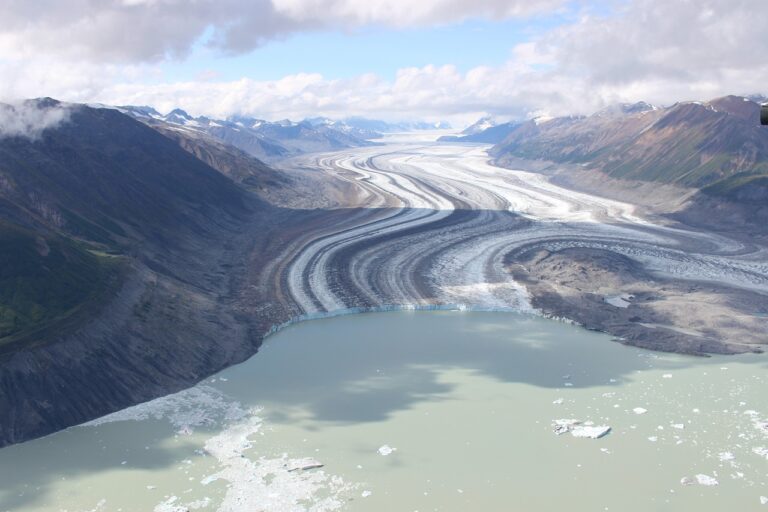
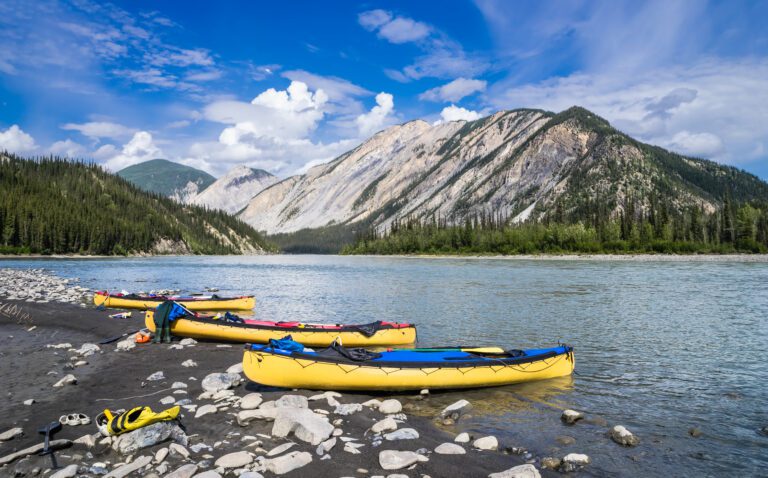
At the heart of the park is the Firth River, considered one of the great whitewater rivers of the world by Parks Canada. The Firth cuts through the British Mountains, which run east to west along the Arctic coast and connect to Alaska’s Brooks Range, before flowing through canyons and open tundra to the Beaufort Sea. Multi-day rafting expeditions on the Firth are the primary way most visitors experience the park. Parks Canada offers a structured base camp program that includes Inuvialuit cultural hosts and guided interpretive activities. Private trips through licensed operators are also available.
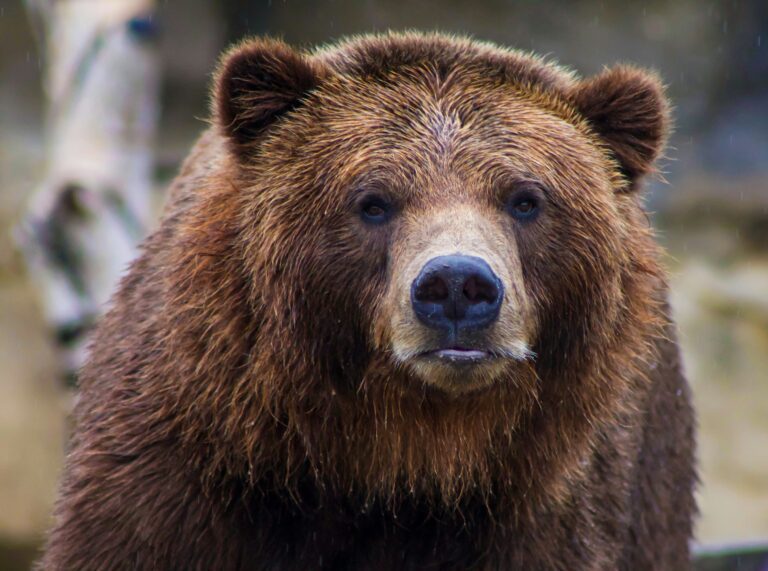
Wildlife in Ivvavik is extensive and unpredictable. Grizzly bears roam the tundra and river valleys, Dall sheep cling to British Mountains ridgelines, and wolves, wolverines, and Arctic foxes are all present. Polar bears have been observed along the Beaufort Sea coast. Visitors must travel in groups, carry bear deterrents and satellite communication devices, and register with Parks Canada before entering.
The closest practical base for the expedition is Inuvik, Northwest Territories, a small but well-equipped town that serves as the regional logistics hub. Inuvik offers lodges, outfitter services, and vacation rental options for groups preparing for or returning from an Ivvavik trip. Spending several days in Inuvik allows time to connect with local Inuvialuit guides, experience the broader North Slope wilderness, and settle into the pace of the far north before heading into one of Canada’s most remote protected places.
Contact Parks Canada’s Inuvik office at 867-777-8800 or [email protected] to begin planning your visit. Trip registration, permits, and licensed operators are required for most activities. Visit parks.canada.ca for current information. Book your accommodations near Inuvik for your Ivvavik National Park expedition.
Seasons
Spring in Ivvavik National Park brings a dramatic transformation as the Arctic landscape awakens from its winter slumber. From late May to June, temperatures begin to rise, and the sun returns, bathing the tundra in golden light. Spring is an excellent time to visit for those seeking solitude and tranquility, as visitor numbers are typically lower during this season. Wildlife emerges from hibernation, with migratory birds returning to nest, and newborn animals exploring their surroundings. However, travelers should be prepared for variable weather conditions, including snow, rain, and wind, as spring transitions into summer.
Summer is the most popular time to visit Ivvavik National Park, offering long daylight hours and relatively mild temperatures. From July to August, the tundra bursts into bloom, with vibrant wildflowers carpeting the landscape. Visitors can enjoy hiking, backpacking, paddling, and wildlife viewing amidst the stunning beauty of the Arctic wilderness. The Firth River, a designated Canadian Heritage River, becomes navigable, providing opportunities for adventurous paddlers to explore the park’s remote interior. However, summer can also bring occasional storms and mosquitoes, so travelers should come prepared with appropriate gear and insect repellent.
Fall in Ivvavik National Park brings a tapestry of colors as the tundra foliage turns vibrant shades of red, orange, and gold. From late August to September, the landscape takes on a surreal beauty, offering photographers and nature enthusiasts a feast for the eyes. Fall is an excellent time for wildlife viewing, as animals prepare for winter and embark on their seasonal migrations. Visitors can enjoy hiking, camping, and backpacking amidst the crisp autumn air and stunning scenery. However, temperatures begin to drop rapidly in fall, and travelers should be prepared for cold weather and the possibility of early snowfall.
Winter in Ivvavik National Park offers a true wilderness experience for adventurous travelers seeking solitude and serenity amidst the Arctic landscape. From October to April, the park is blanketed in snow, creating a pristine and otherworldly atmosphere. Winter activities such as cross-country skiing, snowshoeing, and ice fishing are popular, allowing visitors to explore the park’s rugged terrain and frozen rivers. The long Arctic nights provide opportunities for stargazing and viewing the aurora borealis, or northern lights, adding to the magic of the winter landscape. However, winter travel in the Arctic requires careful planning and preparation, as temperatures can be extreme, and travel conditions may be challenging.
Top 3 Facts about Ivvavik National Park
Ivvavik National Park was the first national park in Canada to be established through an Indigenous land claim, the Inuvialuit Final Agreement of 1984. The park protects 9,750 square kilometres of Arctic wilderness in the northwest corner of Yukon and is co-managed between Parks Canada and Inuvialuit partners.
The Firth River, running through the heart of Ivvavik, is considered one of the great whitewater rivers in the world. It flows from the British Mountains, which merge into Alaska’s Brooks Range, through deep canyons and open tundra to the Beaufort Sea. The Firth is also regarded as the oldest river in Canada.
Ivvavik National Park protects a portion of the calving grounds of the Porcupine caribou herd, which undertakes one of the longest land migrations of any mammal on earth. In summer, thousands of caribou gather on the park’s Arctic coastal plain to calve, representing one of the most dramatic wildlife events in North America.
Family programs
- Workshops & Hands-on Activities
- Water-based Adventures
- Family Camping & Overnight
Travel Tips
Plan Ahead
Contact Parks Canada in Inuvik well in advance at 867-777-8800 or [email protected] to arrange permits, registration, and Parks Canada base camp bookings. Charter aircraft from Inuvik is the only access. All parties must carry satellite communication devices. Plan for potential weather delays, as flights and activities can be disrupted for multiple days at a time.
Pack Appropriately
Pack for full Arctic expedition conditions including waterproof and insulated layers, rain gear, and sleeping equipment rated for near-freezing temperatures. A satellite communication device is required. Bring bear deterrents, a comprehensive first-aid kit, and all food, fuel, and supplies for the full duration of your trip. No resupply options exist inside the park.
Respect Wildlife
Grizzly bears, wolves, and polar bears near the coast are all present in Ivvavik. Carry bear deterrents at all times and follow Parks Canada safety protocols. Never approach or feed wildlife. Maintain safe distances from all animals and avoid camping near active river corridors used by bears. Pack out all food waste and garbage without exception.
Stay Informed
Register your full trip itinerary with Parks Canada in Inuvik before entering, including expected return dates, group contacts, and satellite device information. Monitor Environment Canada Arctic weather forecasts throughout your trip. Contact Parks Canada at 867-777-8800 or parks.canada.ca/ivvavik for current conditions, permit requirements, and any active safety alerts before departure.
- Area (km²)
- 6318.27
- Established year
- 1984
Accessibility & permits
Emergency

Planning a trip?
Tell us about your upcoming trip and how we can help!
Frequently Asked Questions
Ready to dive into what Ivvavik National Park has to offer? Let’s tackle some of the burning questions you might have as you plan your visit!
-
The closest city to Ivvavik National Park is Inuvik, located in the Northwest Territories, approximately 200 km east of the park. Inuvik has a population of about 3,450 people.
-
The easiest hiking trail is the Sheep Slot, a 3.0 km round-trip hike with less than 20 m of elevation gain, starting at the confluence of Sheep Creek and the Firth River. This hike is great for a warm-up and offers scenic views and opportunities to see wildlife like Dall sheep. It typically takes a few hours to complete, including time for wildlife viewing and photography.
-
Yes, you must keep your dog on a leash at all times, and in fact, dogs are generally prohibited in this park. However, there was a specific regulation allowing leashed dogs, but the current rule prohibits dogs entirely.
-
You cannot park an RV, camper, or motorhome here because the park is only accessible by charter plane and does not have roads or facilities for RVs. Camping is allowed but requires a backcountry camping permit and is limited to tents.
-
To travel to Ivvavik National Park, start your journey in Inuvik, Northwest Territories. From there, you will need to arrange for further transportation, typically involving charter flights or other specialized services, as there are no roads or direct public transportation to the park.