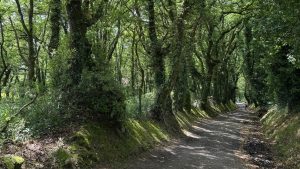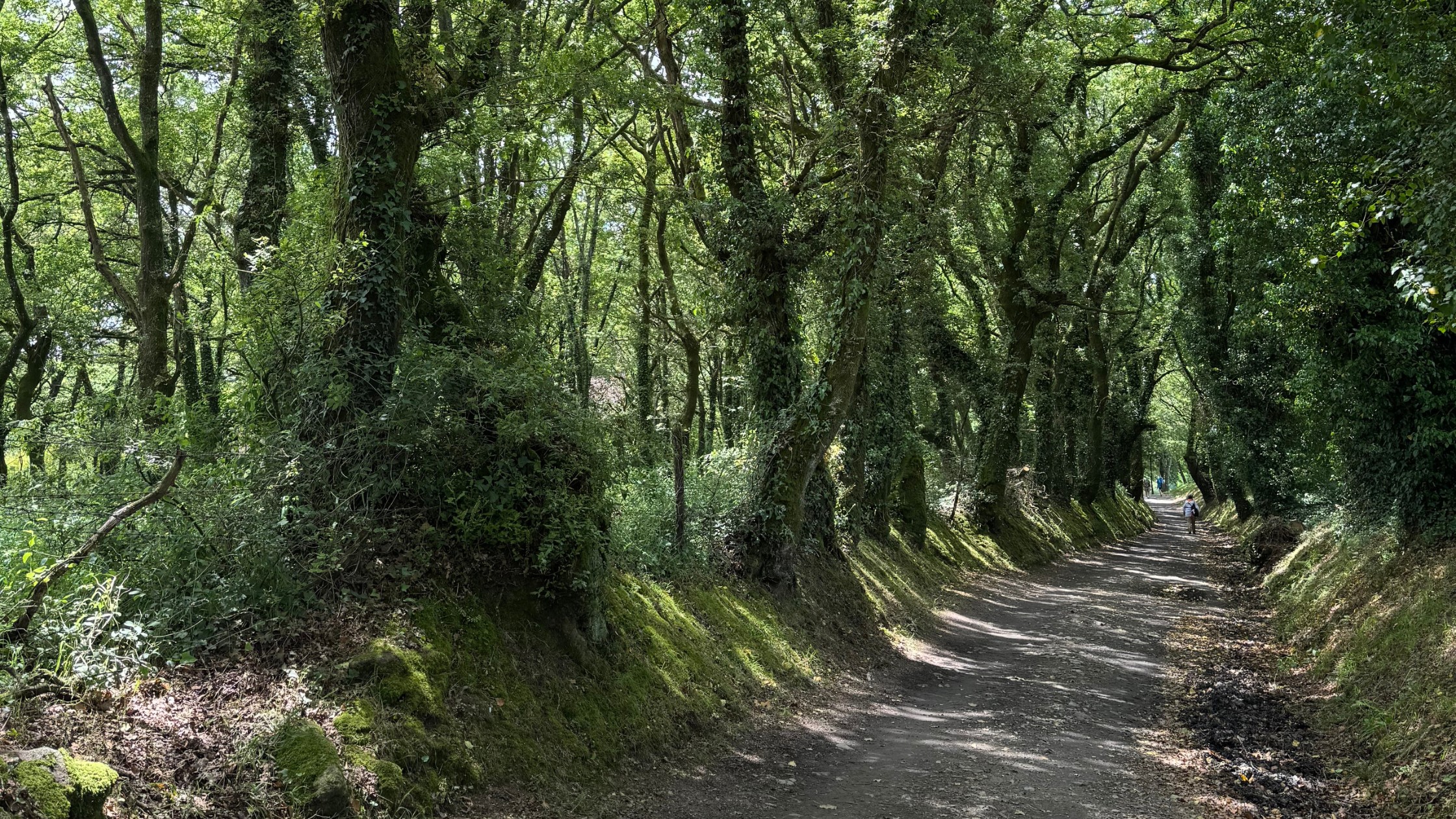
Discover a hidden gem of biodiversity and serene landscapes in Florida's natural paradise.





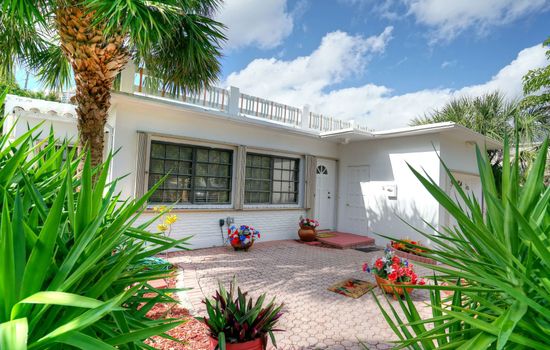

Discover a hidden gem of biodiversity and serene landscapes in Florida's natural paradise.
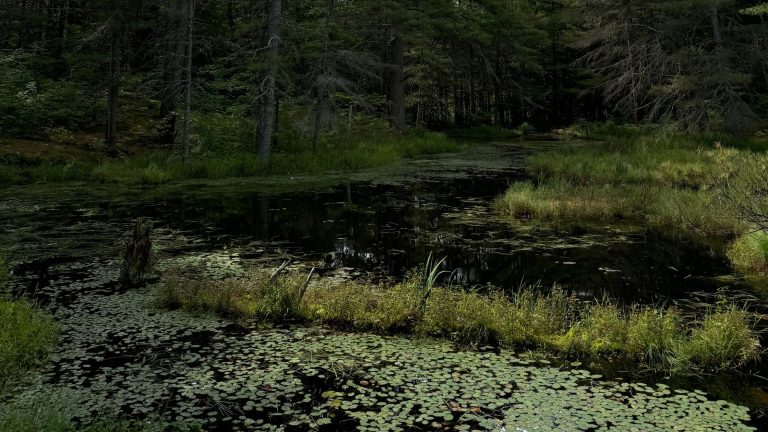
The John G and Susan H Dupuis Jr Wildlife and Environmental Area in Florida stands as a testament to the state’s rich biodiversity and commitment to conservation. Spanning over 22,000 acres, this pristine expanse invites nature enthusiasts and luxury travelers alike to immerse themselves in its tranquil beauty. The area boasts a diverse range of habitats, from wetlands to hardwood swamps, offering a sanctuary for countless species of flora and fauna.
Visitors can explore miles of well-maintained trails, perfect for hiking, birdwatching, and photography. The vibrant ecosystem attracts an array of wildlife, including herons, egrets, and even the elusive Florida panther. Each step taken along the winding paths reveals the intricate tapestry of life thriving in this protected area, making it an ideal destination for those seeking a deeper connection with nature.
For those looking to escape the hustle and bustle of everyday life, the Dupuis Wildlife Area provides a serene backdrop for reflection and rejuvenation. With its stunning landscapes and rich wildlife, this hidden gem invites travelers to experience Florida’s natural wonders in a truly luxurious setting.
Seasons
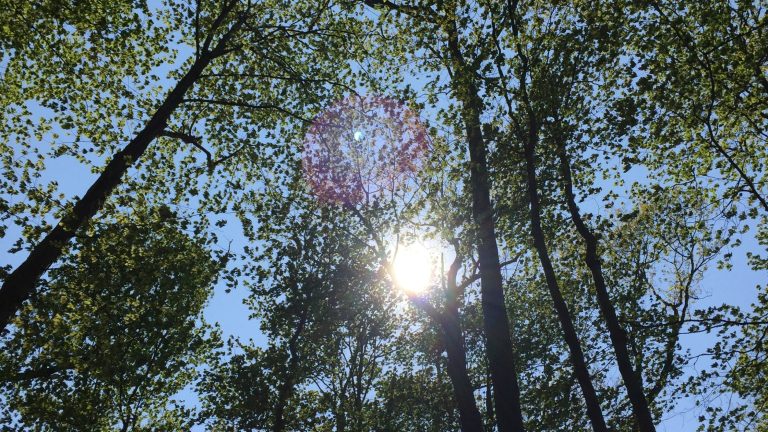
Spring’s mild temperatures and vibrant flora make it an ideal season to explore the diverse habitats and abundant wildlife of this expansive 22,000-acre preserve.
Summer’s sultry embrace transforms this Floridian haven into a vibrant tapestry of lush landscapes and abundant wildlife, offering unparalleled opportunities for exploration and adventure.
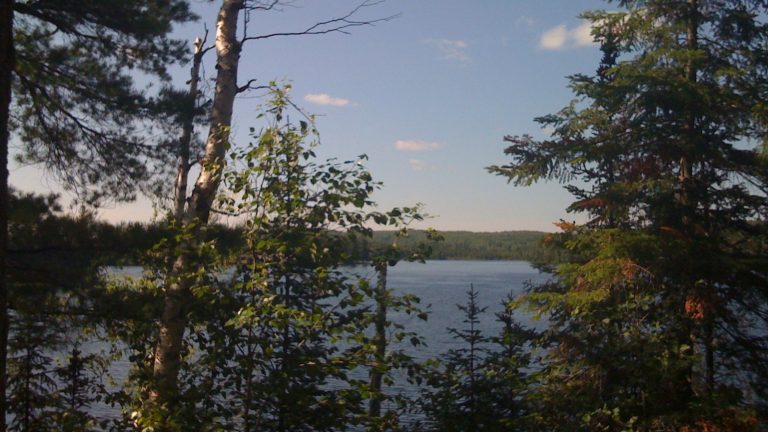
In fall, the park’s diverse habitats offer a serene retreat, with cooler temperatures and vibrant wildlife, making September through November ideal for hiking, birdwatching, and camping.
Winter’s mild temperatures and abundant wildlife make December through February the ideal time to explore this expansive preserve’s diverse habitats and extensive trail system.
Top 3 Facts about John G and Susan H Dupuis Jr Wildlife and Environmental Area
This wildlife area is known for its unusual animal sightings, including the rare Florida Grasshopper Sparrow, which is critically endangered, and hosts remarkable migration events where thousands of birds gather, showcasing the region’s unique biodiversity and the importance of conservation efforts for these endemic species.
This wildlife area experiences unique microclimates due to its diverse topography, resulting in sudden temperature changes and varied precipitation patterns; for instance, while one section may bask in sunlight, another could be enveloped in mist, creating distinct habitats that support a wide range of flora and fauna.
Known for its unique trail names like “Gator Alley” and “Cypress Swamp Circuit,” this area also features unusual rules such as banning metal detectors and overnight camping, making it a distinctive spot for outdoor enthusiasts seeking adventure and exploration in Florida’s natural beauty.
Travel Tips
Plan Ahead
Planning ahead is essential for a successful visit to this stunning wildlife and environmental area. Check the weather and trail conditions before you go, and consider arriving early to enjoy the tranquility of nature. Bring plenty of water, snacks, and a good camera to capture the diverse flora and fauna you’ll encounter. Don’t forget binoculars for birdwatching; the views are spectacular!
Pack Appropriately
When packing for your visit, include a lightweight, waterproof bag to safeguard your belongings from sudden rain showers common in Florida’s subtropical climate. Don’t forget to bring insect repellent; the area’s wetlands attract mosquitoes, especially during dawn and dusk, so ensure you stay comfortable while exploring the diverse wildlife and scenic trails.
Respect Wildlife
When exploring this stunning wildlife refuge, keep a respectful distance from animals to avoid disturbing their natural behaviors. Observe from afar, use binoculars for a closer look, and refrain from feeding wildlife to ensure their safety and well-being. Remember, your presence should enhance their habitat, not disrupt it.
Stay Informed
Before your visit, stay informed by checking the weather, temperatures, and any fire bans or notices. Know emergency contact information and share your plans with someone, including your expected return time. Being prepared ensures a safe and enjoyable experience.
Accessibility & permits
Emergency

Planning a trip?
Tell us about your upcoming trip and how we can help!
Frequently Asked Questions
Ready to dive into what John G and Susan H Dupuis Jr Wildlife and Environmental Area has to offer? Let’s tackle some of the burning questions you might have as you plan your visit!
-
DuPuis WEA offers a variety of outdoor activities including hiking, bird watching, wildlife observation, and fishing. The area features numerous trails and waterways, making it an ideal destination for nature enthusiasts and photographers. Additionally, visitors can enjoy horseback riding on designated trails, providing a unique way to explore the landscape.
-
To obtain camping permits at DuPuis WEA, visitors can apply online through the Florida Fish and Wildlife Conservation Commission website or visit the local office for in-person assistance. Permits are typically required for overnight camping and should be secured in advance, especially during peak seasons.
-
Pets are allowed in DuPuis Wildlife Area but must be kept on a leash at all times. It is important to clean up after pets to maintain the natural environment and ensure the safety of wildlife. Some restrictions may apply, so checking specific regulations before your visit is advisable.
-
The hunting seasons at DuPuis WEA vary by species and are regulated by the Florida Fish and Wildlife Conservation Commission. Generally, hunting for deer and small game occurs during designated seasons in the fall and winter months. Always check the latest regulations and season dates before planning your hunting trip.
-
DuPuis WEA is home to a diverse range of wildlife, including white-tailed deer, wild turkeys, and various bird species such as herons and egrets. Visitors may also spot alligators, bobcats, and numerous reptiles and amphibians in their natural habitats, making it a prime location for wildlife observation.