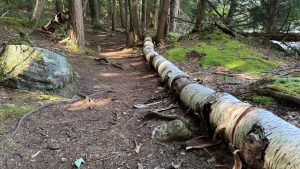
Discover breathtaking landscapes and diverse wildlife in this hidden gem of nature.


Discover breathtaking landscapes and diverse wildlife in this hidden gem of nature.
John’s Mountain Wildlife Management Area in Georgia offers an exquisite retreat for nature enthusiasts and outdoor adventurers alike. Spanning over 7,000 acres, this pristine landscape showcases a harmonious blend of rolling hills, dense forests, and vibrant meadows, making it a haven for diverse wildlife. Visitors can expect to encounter a variety of species, from deer and wild turkeys to an array of songbirds, all thriving in their natural habitat.
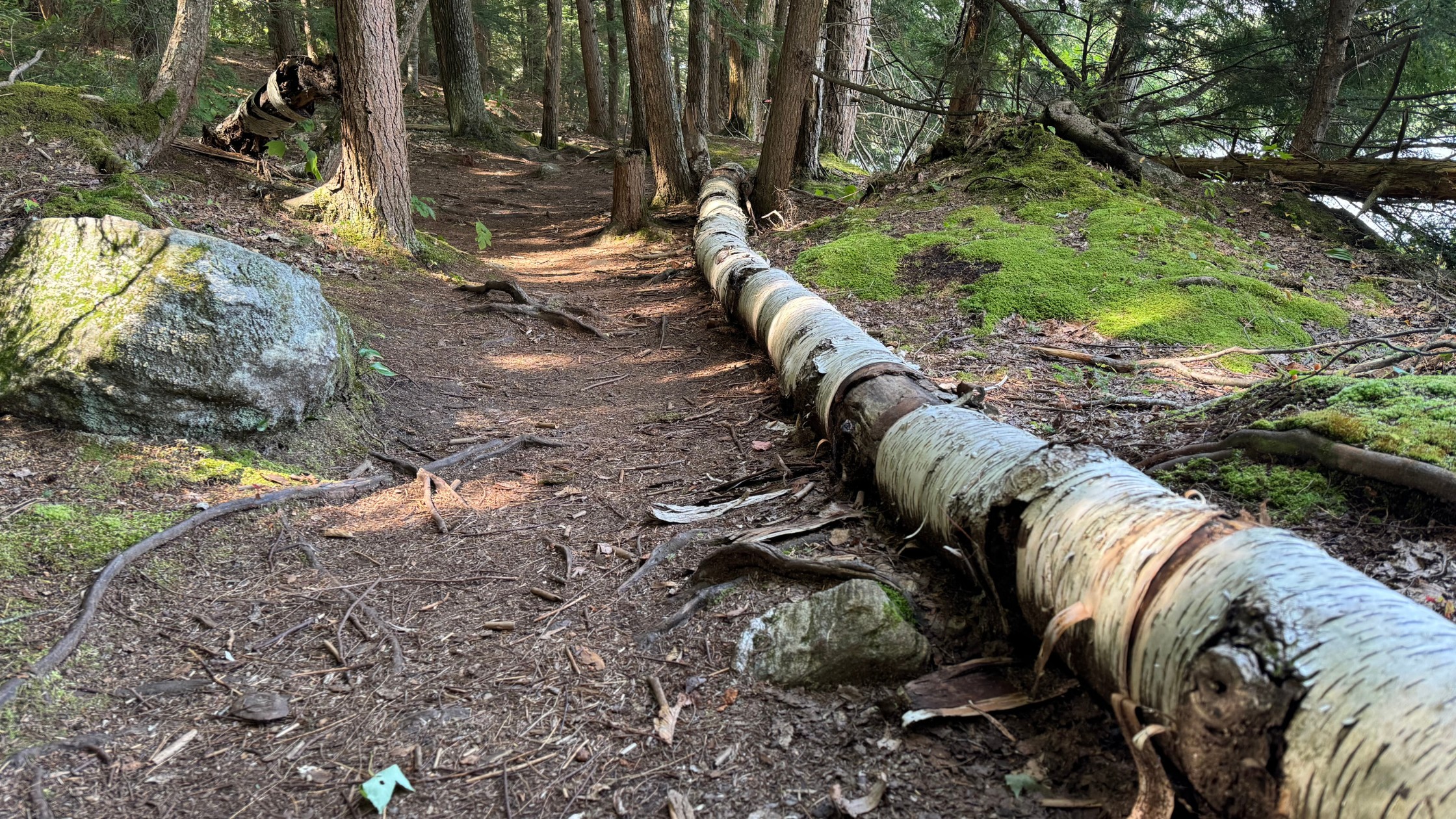
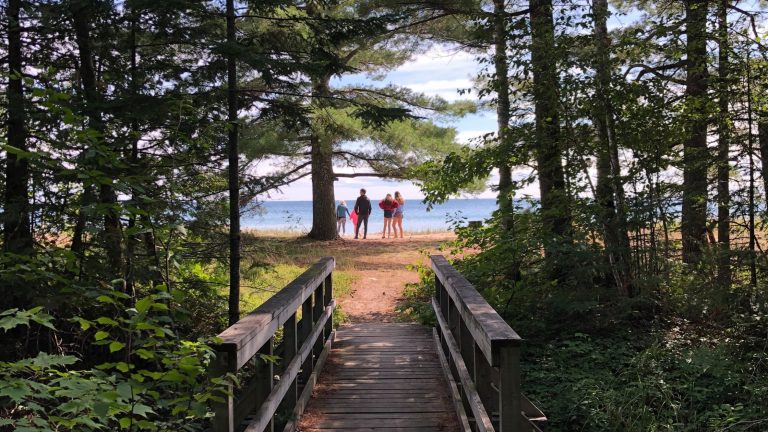
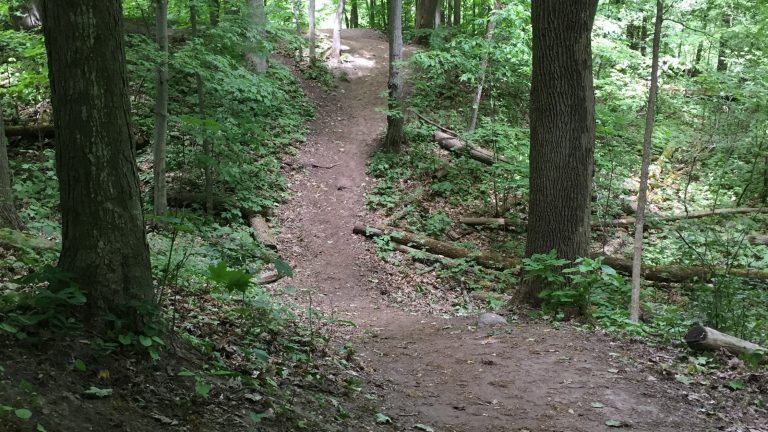
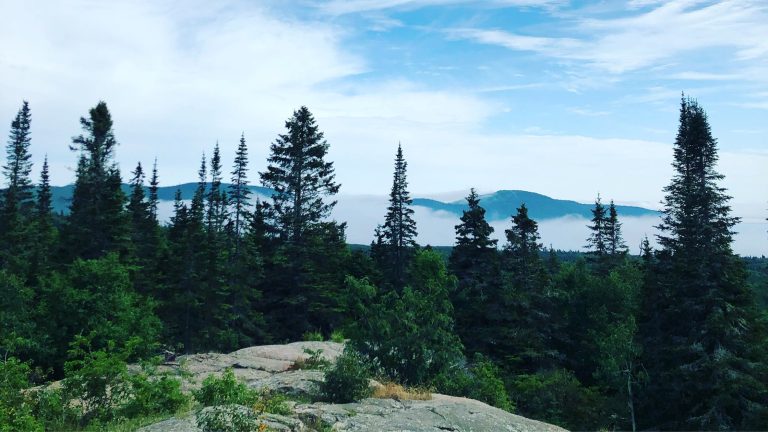
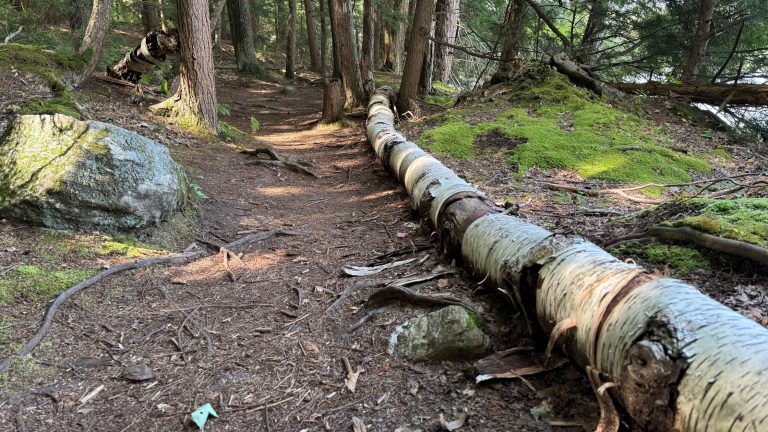
The area boasts a network of well-maintained trails, inviting hikers to explore its breathtaking vistas and serene surroundings. Each path reveals hidden gems, whether it’s a tranquil stream or a panoramic overlook that captures the essence of Georgia’s natural beauty. For those seeking a more leisurely experience, birdwatching opportunities abound, providing a chance to observe the area’s avian residents in their element.
John’s Mountain Wildlife Management Area also caters to the avid angler, with several fishing spots scattered throughout the region. The crystal-clear waters teem with fish, offering a peaceful escape for those looking to unwind. Whether you seek adventure or tranquility, this wildlife management area promises an unforgettable experience in the heart of Georgia’s wilderness.
Seasons
In spring, the 23,356-acre wildlife area in Georgia offers a vibrant tapestry of blooming wildflowers, cascading waterfalls, and abundant wildlife, inviting hikers and nature enthusiasts to explore its scenic trails.
Summer’s warm temperatures and extended daylight hours make June, July, and August ideal for hiking, biking, horseback riding, and fishing in this 23,356-acre wildlife haven.
As autumn paints the landscape with vibrant hues, the crisp air and colorful foliage of September, October, and November invite hikers and nature enthusiasts to explore the diverse trails and scenic vistas of this expansive 23,356-acre area.
Winter’s crisp air and serene landscapes transform this 23,356-acre haven into a haven for hunters, hikers, and birdwatchers seeking solitude and adventure.
Top 3 Facts about John's Mountain Wildlife Management Area
This area is home to the rare Eastern Hellbender, a giant salamander that can grow up to 29 inches long, and is known for its unique mating rituals, where males guard nests of eggs, showcasing a fascinating aspect of amphibian behavior rarely observed in other species.
In this region, extreme temperature variations can create unique microclimates, fostering diverse ecosystems; for instance, sudden temperature drops can lead to unexpected frost events even in summer, while localized thunderstorms may produce rare phenomena like hailstones the size of golf balls, astonishing visitors and researchers alike.
Known for its challenging trails like “The Squirrel’s Revenge,” this area prohibits motorized vehicles and hunting during certain seasons, fostering a unique outdoor experience, while also hosting record-setting events such as the first-ever mountain biking marathon in the region, attracting adventure enthusiasts.
Travel Tips
Plan Ahead
Planning ahead is essential for a successful trip to this stunning wildlife area. Check weather conditions, pack appropriate gear, and bring plenty of water and snacks to ensure a comfortable experience. Familiarize yourself with the trails and local wildlife to enhance your adventure, and consider visiting during weekdays to avoid crowds and fully immerse yourself in nature’s tranquility.
Pack Appropriately
When visiting this stunning wildlife area, pack a lightweight, waterproof jacket, even in the summer. Sudden rain showers can sweep through the mountains, and staying dry will keep your spirits high while exploring the diverse trails. Additionally, consider bringing a pair of binoculars to fully appreciate the vibrant birdlife and panoramic views that this unique geography offers.
Respect Wildlife
When exploring this stunning wildlife haven, prioritize respect for the diverse animals that call it home. Keep a safe distance from wildlife, avoid feeding them, and stick to marked trails to minimize your impact on their natural habitat. Observing animals in their environment enriches your experience while ensuring their safety and well-being.
Stay Informed
Before your visit, stay informed by checking the weather, temperatures, and any fire bans or notices. Know the emergency contact information and always tell someone your destination and expected return time to ensure your safety.
Accessibility & permits
Emergency

Planning a trip?
Tell us about your upcoming trip and how we can help!
Frequently Asked Questions
Ready to dive into what John's Mountain Wildlife Management Area has to offer? Let’s tackle some of the burning questions you might have as you plan your visit!
-
John’s Mountain Wildlife Management Area (WMA) offers a variety of outdoor activities including hiking, birdwatching, and wildlife observation, making it a great destination for nature enthusiasts. Visitors can explore the scenic landscapes and diverse ecosystems throughout the area.
-
Yes, there are camping facilities available at John’s Mountain WMA, providing a rustic experience for those looking to immerse themselves in nature. Campsites are typically equipped with basic amenities, allowing for a comfortable stay amidst the natural surroundings.
-
Hunting is permitted at John’s Mountain WMA during designated seasons. The area is popular for hunting deer, turkey, and small game, attracting both novice and experienced hunters. It’s important to check local regulations and obtain the necessary permits before hunting.
-
John’s Mountain WMA features several trails that cater to different skill levels, from easy walks to more challenging hikes. These trails offer stunning views and opportunities to encounter local wildlife, making them ideal for both hiking and trail running.
-
ATVs are not allowed at John’s Mountain WMA, ensuring that the natural environment remains undisturbed and safe for wildlife and other visitors. The area is designed to be explored on foot or by other non-motorized means.