Discover breathtaking landscapes and diverse wildlife in Kentucky's hidden outdoor paradise.

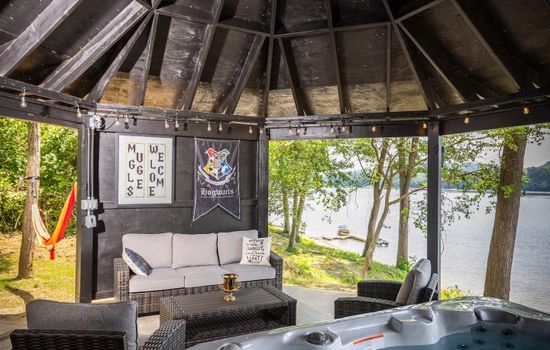
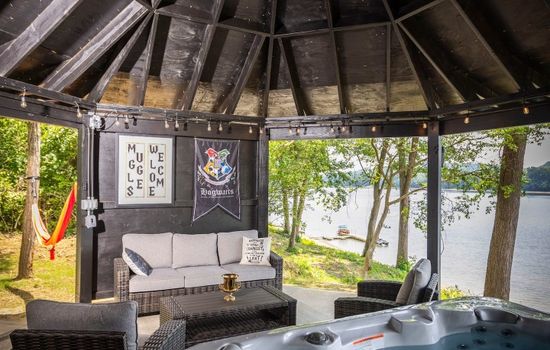



















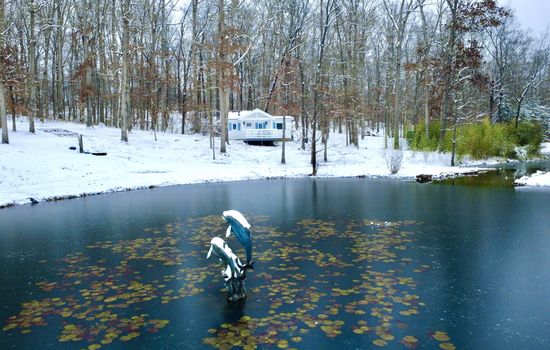



Discover breathtaking landscapes and diverse wildlife in Kentucky's hidden outdoor paradise.
In the heart of Kentucky lies the Kentucky River Wildlife Management Area, a sanctuary for nature enthusiasts and wildlife lovers. This expansive area, spanning over 20,000 acres, offers a breathtaking blend of lush forests, meandering rivers, and diverse habitats. Visitors are greeted by the rich sounds of chirping birds and rustling leaves, creating a serene atmosphere that invites exploration.
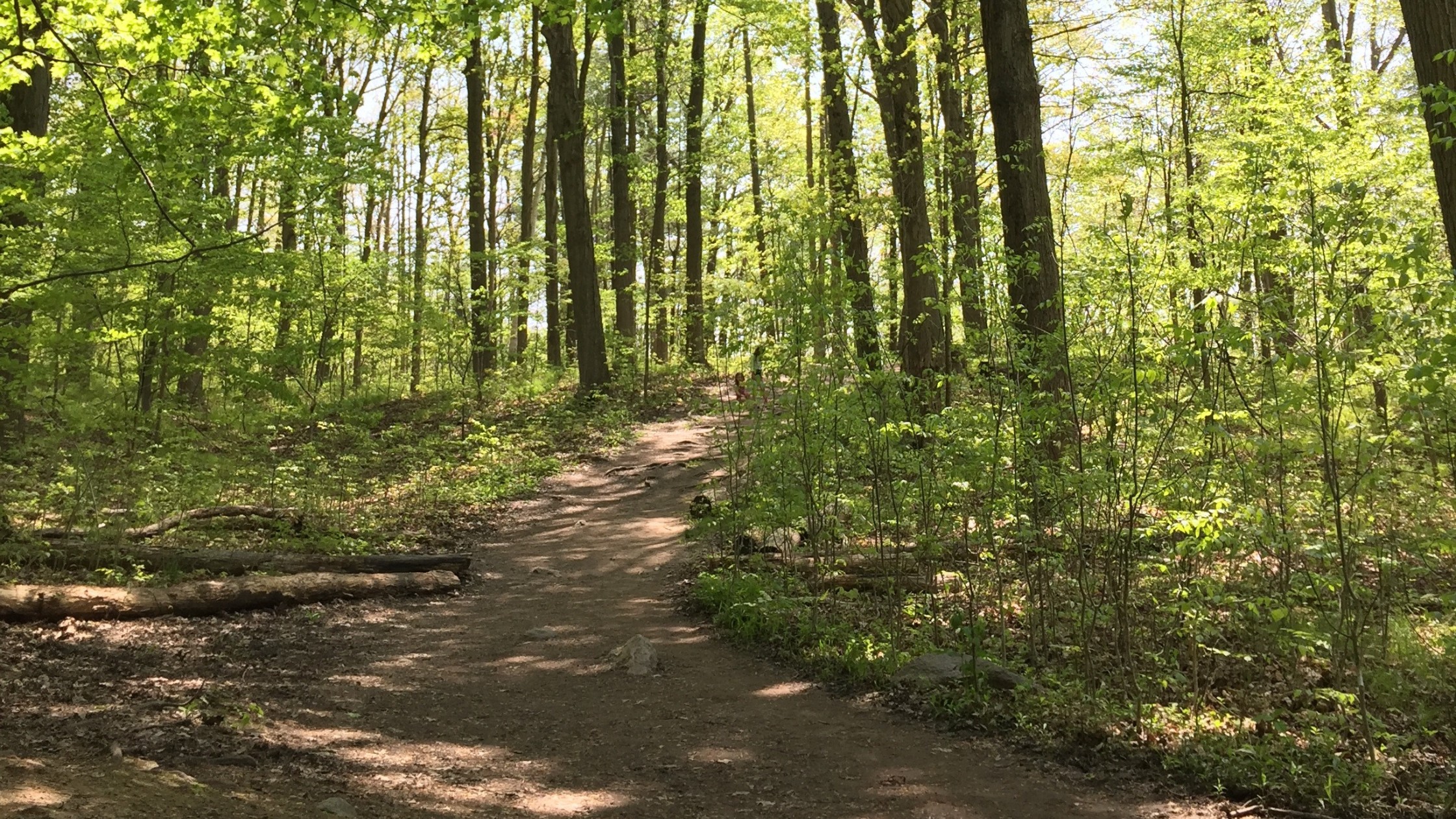
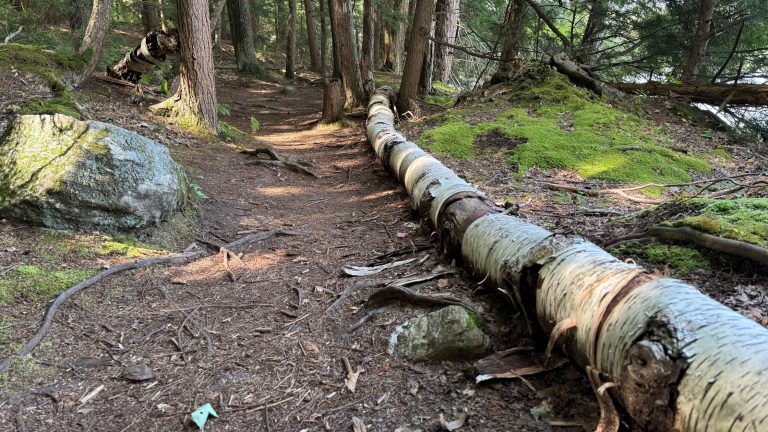
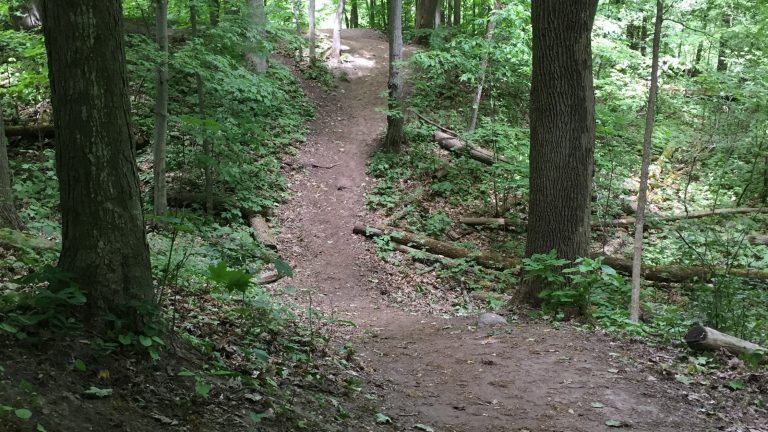
The management area is renowned for its abundant wildlife, including deer, wild turkeys, and a variety of waterfowl. Birdwatchers will delight in spotting migratory species that flock to the area during different seasons. Hiking trails wind through the landscape, providing ample opportunities to immerse oneself in the natural beauty while capturing stunning photographs of the picturesque surroundings.
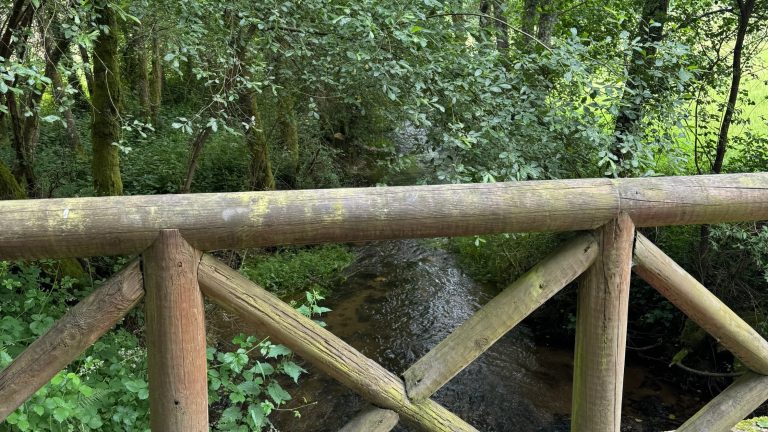
Adventurers can also indulge in fishing and kayaking along the tranquil waters of the Kentucky River, where the gentle current offers a peaceful escape. Whether seeking solitude or a family outing, the Kentucky River Wildlife Management Area promises an unforgettable experience that showcases the splendor of Kentucky’s natural heritage.
Seasons
In spring, the Kentucky River Wildlife Management Area offers a vibrant tapestry of blooming wildflowers, abundant bird migrations, and tranquil river views, making it an ideal destination for nature enthusiasts seeking a rejuvenating outdoor experience.
Summer’s warm days and abundant wildlife make June, July, and August ideal for exploring the diverse habitats along the Kentucky River, offering exceptional birdwatching, fishing, and hiking opportunities.
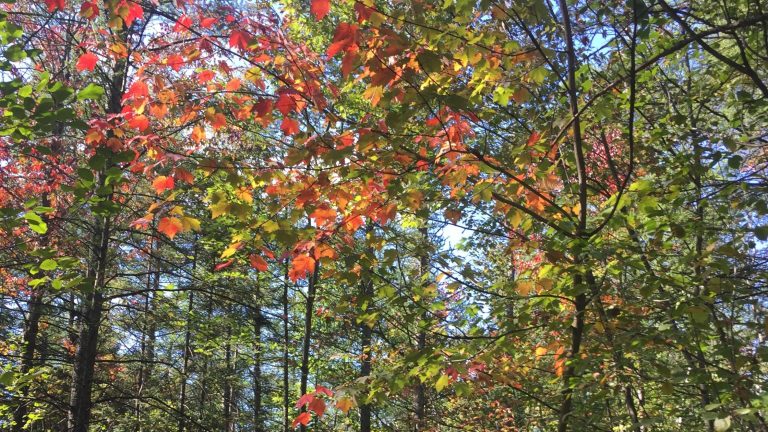
In fall, the Kentucky River WMA offers vibrant foliage, abundant wildlife, and ideal conditions for hunting, fishing, and birdwatching, making September through November the perfect time to visit.
In winter, the area offers serene landscapes and abundant wildlife, with white-tailed deer and wild turkeys frequently spotted, making December through February ideal for nature enthusiasts seeking tranquility.
Top 3 Facts about Kentucky River Wildlife Management Area
During migration seasons, the area becomes a hotspot for unusual animal sightings, including rare species like the black-crowned night heron and the endangered Indiana bat, showcasing the rich biodiversity and unique ecosystems that thrive in this region, attracting birdwatchers and nature enthusiasts alike.
In this unique region, the convergence of diverse topographies creates microclimates that can lead to sudden temperature shifts, with recorded extremes ranging from scorching summer highs to frigid winter lows, showcasing the unpredictable nature of local weather patterns and their impact on wildlife.
Known for its unique trail names like “The Haunted Hollow” and unusual rules banning motorized vehicles, this area also boasts records in deer hunting and fishing, attracting outdoor enthusiasts eager to explore its diverse habitats and engage in various recreational activities.
Travel Tips
Plan Ahead
Planning ahead is essential for a successful visit to this natural gem. Check the seasonal weather, pack appropriate gear, and arrive early to secure your spot for wildlife viewing or hiking. Research the best trails and activities, and consider bringing a picnic to fully enjoy the serene surroundings. A little preparation can enhance your experience and ensure you make the most of your time in nature.
Pack Appropriately
When preparing for your visit, consider packing a lightweight, waterproof bag for your gear. The area’s diverse terrain includes wetlands and riverbanks, where sudden weather changes can occur. Sturdy hiking boots and quick-dry clothing will keep you comfortable while exploring the rich wildlife and scenic views, ensuring you’re ready for both adventure and unexpected showers.
Respect Wildlife
When exploring this stunning wildlife haven, remember to maintain a respectful distance from all animals. Observe their natural behaviors without disturbing their habitat; use binoculars for a closer look. Keep noise to a minimum to avoid scaring away the diverse species that call this area home. Following these guidelines ensures a rewarding experience while preserving the delicate ecosystem.
Stay Informed
Before your visit, check the weather and temperatures, along with any fire bans or notices. Familiarize yourself with emergency contact information and always inform someone about your destination and expected return time to ensure a safe and enjoyable experience.
Accessibility & permits
Emergency

Planning a trip?
Tell us about your upcoming trip and how we can help!
Frequently Asked Questions
Ready to dive into what Kentucky River Wildlife Management Area has to offer? Let’s tackle some of the burning questions you might have as you plan your visit!
-
Kentucky River WMA offers a variety of activities including hiking, birdwatching, fishing, and hunting. The area features diverse habitats, making it ideal for outdoor enthusiasts looking to explore nature and enjoy recreational activities.
-
Yes, Kentucky River WMA provides camping facilities, allowing visitors to immerse themselves in the natural surroundings. Campsites are typically primitive, so be prepared for a more rustic experience.
-
Wildlife observation at Kentucky River WMA includes species such as white-tailed deer, wild turkeys, and various migratory birds. The rich ecosystem supports a range of habitats, making it a prime location for wildlife enthusiasts and photographers.
-
Access to Kentucky River WMA is straightforward, with several entry points available for visitors. It is located near the Kentucky River, accessible via local roads. Ensure to check maps for specific entrances and parking areas.
-
Hunting regulations at Kentucky River WMA include specific seasons for deer and turkey hunting, as well as guidelines for waterfowl hunting. It is essential for hunters to obtain the appropriate licenses and adhere to local regulations to ensure a safe and responsible hunting experience.