Discover breathtaking landscapes and unique ecosystems in this Hawaiian paradise.
Discover breathtaking landscapes and unique ecosystems in this Hawaiian paradise.
Kipahoehoe Natural Area Reserve offers an unparalleled glimpse into Hawaii’s rich biodiversity and stunning landscapes. Located on the Big Island, this reserve is a sanctuary for native species and a testament to the island’s volcanic origins. Visitors are greeted by lush vegetation, dramatic cliffs, and the soothing sounds of cascading waterfalls, creating a serene atmosphere that invites exploration.
The reserve boasts a unique ecosystem, where rare plants and animals thrive in their natural habitat. Hiking through the winding trails, travelers can encounter vibrant flora and fauna, including the endemic Hawaiian silversword. The panoramic views of the coastline and the Pacific Ocean provide a breathtaking backdrop, making every step an opportunity for unforgettable photographs.
Kipahoehoe Natural Area Reserve is not just a destination; it’s an experience that connects visitors with the essence of Hawaii. Whether you seek adventure or tranquility, this hidden gem promises to leave a lasting impression, reminding you of the island’s natural beauty and ecological significance.
Seasons
Spring’s gentle rains and mild temperatures transform the landscape into a vibrant tapestry of native flora and fauna, offering unparalleled hiking and birdwatching opportunities.
Summer’s warm temperatures and minimal rainfall make June, July, and August ideal for exploring the diverse ecosystems and unique volcanic landscapes of this natural reserve.
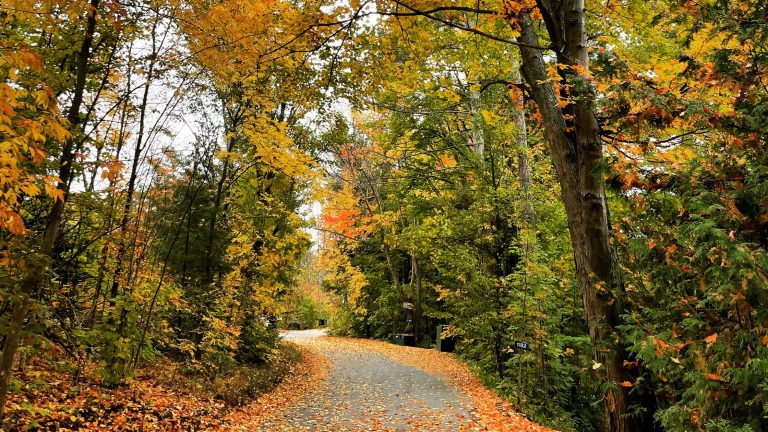
In fall, the reserve’s diverse ecosystems offer a tranquil retreat, with September’s warm days, October’s gentle rains, and November’s cooler evenings enhancing its natural beauty.
Experience the serene beauty of Hawaii’s southwest slopes during winter months, where mild temperatures and lush landscapes offer unparalleled hiking and wildlife viewing opportunities.
Top 3 Facts about Kipahoehoe Natural Area Reserve
The reserve is renowned for its rare sightings of the Hawaiian goose, or nene, which was once on the brink of extinction, and it also serves as a crucial stopover for migrating seabirds, showcasing the unique interplay of endemic species and seasonal wildlife events.
The reserve experiences unique microclimates due to its elevation and proximity to the ocean, resulting in diverse ecosystems; for instance, while nearby areas may be sunny, it can simultaneously experience heavy rain, showcasing Hawaii’s complex weather patterns and the interplay between altitude and moisture.
This unique reserve features the bizarrely named “No Name Trail” and records the first documented sighting of the endangered Hawaiian goose, while unusual rules prohibit the use of drones and motorized vehicles, ensuring a serene environment for hikers and nature enthusiasts.
Travel Tips
Plan Ahead
To fully enjoy this stunning coastal reserve, plan your visit around the weather and tide schedules. Arrive early to secure parking and experience the serene beauty before crowds arrive. Bring plenty of water, snacks, and sun protection, as amenities are limited. Consider exploring the trails for breathtaking views, but be prepared for varying terrain and always respect the natural environment.
Pack Appropriately
Pack a lightweight rain jacket and sturdy shoes to navigate the lush, often wet trails of this unique coastal reserve. The microclimates can shift rapidly, so being prepared for sudden showers will enhance your experience while protecting you from the elements as you explore the vibrant flora and stunning vistas.
Respect Wildlife
Respect the diverse wildlife by observing from a distance and refraining from feeding animals. Stay on marked trails to protect native habitats and avoid disturbing nesting sites. Remember, your actions can impact the delicate ecosystem, so embrace the beauty around you responsibly and contribute to the preservation of this unique environment.
Stay Informed
Stay informed before your visit by checking the weather, temperatures, and any fire bans or notices in the area. Ensure you know emergency contact information and tell someone your plans, including where you’re going and when you expect to return, to enhance your safety and enjoyment during your outdoor adventure.
Accessibility & permits
Emergency

Planning a trip?
Tell us about your upcoming trip and how we can help!
Frequently Asked Questions
Ready to dive into what Kipahoehoe Natural Area Reserve has to offer? Let’s tackle some of the burning questions you might have as you plan your visit!
-
Kipahoehoe Natural Area Reserve is located on the Big Island of Hawaii, specifically on the eastern coast near Hilo, covering approximately 1,400 acres of diverse ecosystems.
-
The reserve is home to a variety of native plants and animals, including the endangered Hawaiian goose (nene), several species of native birds, and unique flora such as the ʻōhiʻa lehua and hapuʻu tree ferns.
-
Yes, there are hiking trails in Kipahoehoe, offering scenic views and opportunities to explore the lush landscapes and rich biodiversity. The trails vary in difficulty and provide access to different areas of the reserve.
-
Access to Kipahoehoe Reserve is generally open to the public, but visitors should check for any specific regulations or permits required for certain areas or activities by contacting the Hawaii Department of Land and Natural Resources.
-
The weather in Kipahoehoe is typically mild, with temperatures ranging from 60°F to 80°F. Due to its elevation and location, it experiences frequent rainfall, contributing to its lush environment, so visitors should be prepared for wet conditions.