


Hot Springs, Marble Canyon, and Rocky Mountain Wilderness
Newest
Hot Springs, Marble Canyon, and Rocky Mountain Wilderness
On the west side of the Continental Divide in southeastern British Columbia, Kootenay National Park delivers an argument for the Rockies that is quieter than Banff and more intimate than Jasper. Established in 1920, the park covers 1,406 square kilometres of the Canadian Rockies along Highway 93 South, the only paved road through the park. That road, the Kootenay Parkway, runs 94 kilometres from Castle Junction in Banff to Radium Hot Springs in the Rocky Mountain Trench, offering one of the most scenic mountain drives in Canada with virtually no effort required to access its highlights.
Radium Hot Springs, at the park’s southwestern entrance, is the most visited single feature. The mineral-rich pools are one of the largest natural hot springs in Canada, maintained at temperatures between 35 and 45 degrees Celsius. A Parks Canada-operated facility with changing rooms and a cool-water swimming pool adjoins the soaking pool, registered as a national historic place. After a day of hiking or a long mountain drive, the hot springs are genuinely restorative, and the setting inside Sinclair Canyon is beautiful.
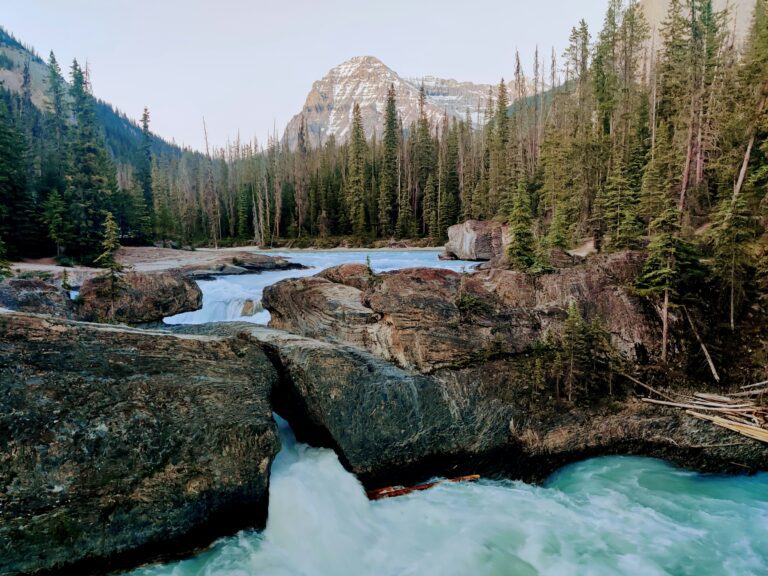
Marble Canyon, midway through the park, is a narrow, water-sculpted limestone gorge accessible by a short 1.5-kilometre trail across a series of footbridges. The gorge narrows to just a few feet in places, with turquoise water visible 37 metres below. Just a short drive further, the Paint Pots are a cluster of ochre springs that Ktunaxa people used for centuries to collect pigment for paintings and ceremonies. Interpretive trails connect both sites and can be combined for a rewarding half-day stop along the parkway.
The Stanley Glacier trail, 10.8 kilometres round trip, is widely regarded as one of the finest hikes in the Canadian Rockies accessible to most fitness levels. It climbs through a hanging valley that burned in a 1968 wildfire, passes through regenerating forest and alpine meadows, and reaches a glacial amphitheatre containing fossil-bearing limestone from the Burgess Shale period, more than 515 million years old.
All waterbodies in Kootenay and adjacent Yoho National Parks are currently closed to watercraft and angling until March 31, 2027, to prevent the spread of whirling disease. Confirm current fishing and paddling rules before visiting.
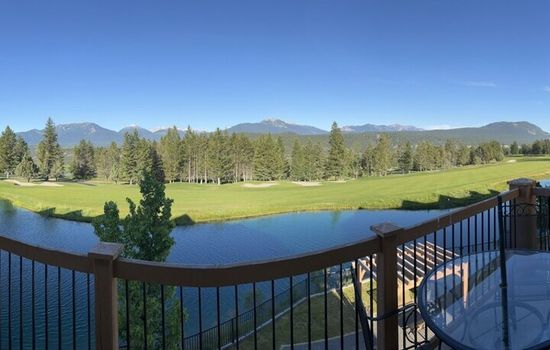
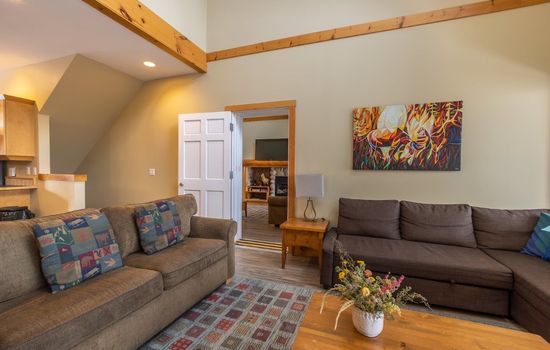
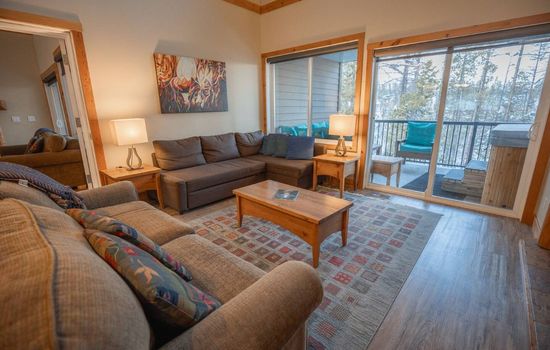
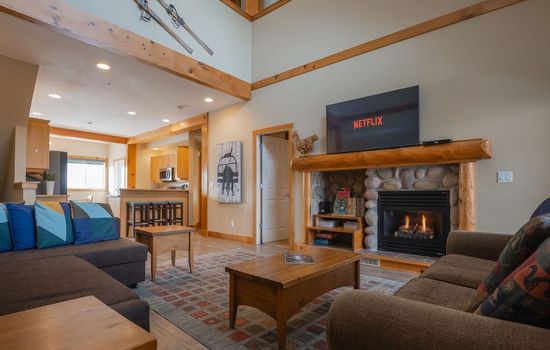
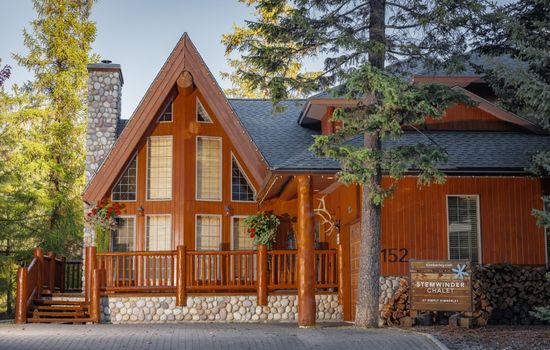
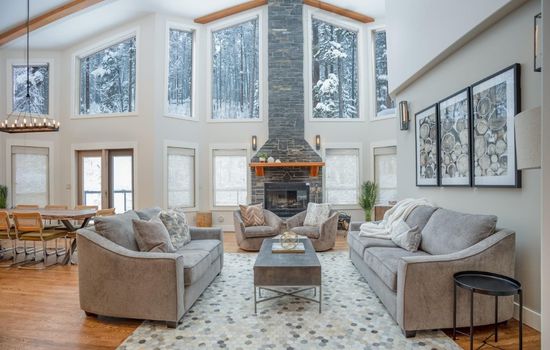
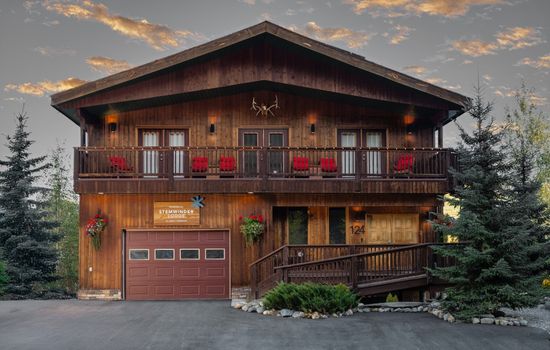
The town of Radium Hot Springs, just outside the park’s southwestern entrance, has a solid selection of cabins, condo units, and vacation rentals with beautiful Rocky Mountain views. Larger vacation homes that sleep groups comfortably are available in both Radium Hot Springs and Invermere, roughly 15 minutes south. A stay in this corridor combines easy access to Kootenay with day trips into Banff and Yoho.
Check parks.canada.ca/kootenay for current conditions, campground reservations, and hot springs hours. Book your accommodations for Kootenay National Park.
Seasons
Spring (Apr–Jun): Melting snow reveals wildflowers, waterfalls, and active wildlife.
Summer (Jul–Sep): Warm weather, top hiking season, lake paddling, and peak visitation.
Fall (Sep–Nov): Stunning foliage, wildlife sightings, and cool, crisp hiking days.
Winter (Dec–Mar): Snowshoeing, cross-country skiing, ice climbing, and soaking in Radium.
Top 3 Facts about Kootenay National Park
Radium Hot Springs, at the park’s southwestern entrance, is one of the largest natural hot springs in Canada. The mineral-rich soaking pool is maintained between 35 and 45 degrees Celsius year-round by Parks Canada inside the dramatic walls of Sinclair Canyon. The facility is registered as a national historic place and is one of the most visited sites in the park.
The Stanley Glacier trail passes through fossil-bearing terrain from the Burgess Shale geological formation, dating back more than 515 million years. These Middle Cambrian marine fossils document some of the earliest complex animal life on Earth and are part of the reason the Canadian Rocky Mountain Parks were designated a UNESCO World Heritage Site in 1984.
Kootenay National Park was created in 1920 through an agreement between the federal government and British Columbia to construct the Banff-Windermere Highway, with BC granting a strip of land approximately 8 kilometres on either side of the 94-kilometre route for park purposes. The park covers the full length of this corridor, making the Kootenay Parkway the park’s only paved road and primary visitor spine.
Travel Tips
Plan Ahead
Parks Canada entry passes are required for all visitors. Reserve campgrounds at Marble Canyon, McLeod Meadows, and Redstreak through reservation.pc.gc.ca well in advance for July and August. Radium Hot Springs pools have seasonal hours; check parks.canada.ca/kootenay before visiting. Note that all waterbodies in Kootenay and Yoho are closed to watercraft and fishing until March 31, 2027, due to whirling disease prevention measures.
Pack Appropriately
Rocky Mountain weather changes rapidly at all elevations. Pack waterproof layers, a warm jacket, and sturdy waterproof hiking boots for any trail beyond the roadside. Sunscreen is important on exposed alpine trails where UV levels are high. Bring bear spray on all backcountry hikes; grizzly and black bears are present throughout the park. Carry water on longer routes as stream crossings may not always be safe to drink from.
Respect Wildlife
Grizzly bears, black bears, mountain goats, bighorn sheep, elk, and wolves all inhabit Kootenay. Maintain a minimum of 100 metres from bears and wolves, and at least 30 metres from all other large wildlife. Never feed animals. Wildlife hotspots along the Kootenay Parkway require all vehicles to pull completely off the road before stopping. Keep dogs on a leash at all times throughout the park.
Stay Informed
Check parks.canada.ca/kootenay for current trail conditions, wildlife closures, fire restrictions, and hot springs hours. The park is open year-round but some facilities and campgrounds operate only from late May through mid-October. Contact the Kootenay National Park Visitor Centre at 250-347-9505 for current conditions during the operating season from May to mid-October.
- Area (km²)
- 873.87
- Annual visitors
- 574 126
- Established year
- 1920
Accessibility & permits
Emergency

Planning a trip?
Tell us about your upcoming trip and how we can help!
Frequently Asked Questions
Ready to dive into what Kootenay National Park has to offer? Let’s tackle some of the burning questions you might have as you plan your visit!
-
To visit Kootenay National Park, it is convenient to stay in Radium Hot Springs, which is close to the park and offers several hotels and amenities. Other nearby options include the Columbia Valley and areas around Vermilion Crossing.
-
The Marble Canyon hike is the most family-friendly, as it is an easy and accessible trail that passes through a deep, dramatic canyon with wonderful views, and it has fencing along most of the route, making it safe for children.
-
Dogs are allowed on the trails, but they must be on a leash at all times. They are not permitted on groomed cross-country ski trails when they are covered in snow. Pets are welcome in the backcountry as long as they are leashed.
-
There are no specific parking fees mentioned, but all visitors stopping in the park, even for a short time, require a park permit. Driving straight through the park does not require a permit. Camping and admission fees apply for other activities.
-
The Rockwall Trail is a major attraction, a 54km trail that travels along gorgeous alpine terrain and is extremely popular. However, many visitors also highlight Radium Hot Springs as a top draw, with its naturally heated mineral waters. Additionally, Marble Canyon, known for its scenic canyon trail and panoramic views, is another highly visited site.