Discover breathtaking landscapes and serene trails in Minnesota's hidden outdoor gem.
Discover breathtaking landscapes and serene trails in Minnesota's hidden outdoor gem.
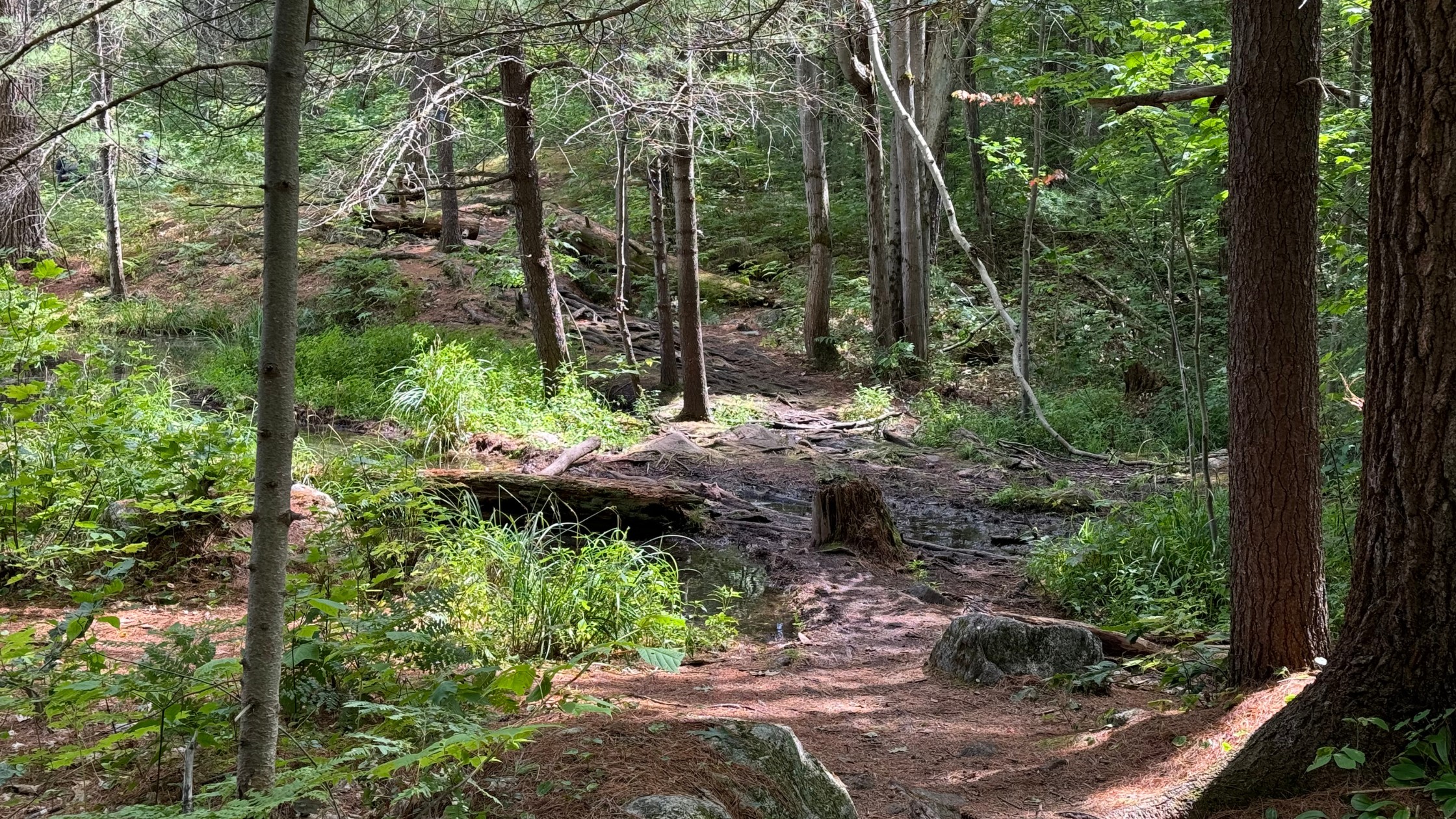
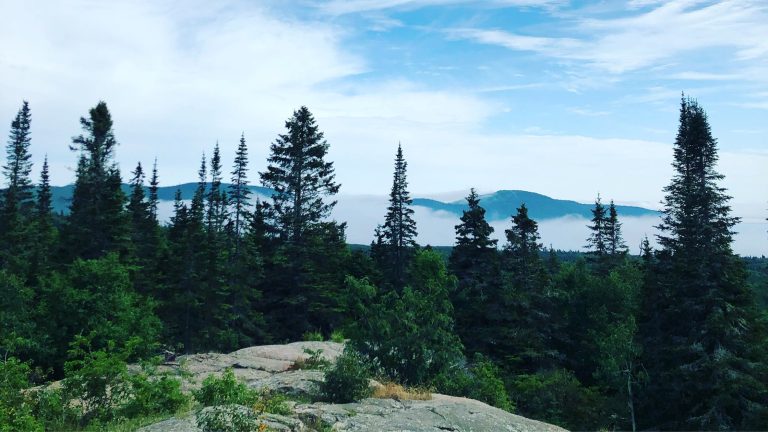
Lac qui Parle State Park in Minnesota offers a serene escape into nature’s embrace, where the tranquil waters of the Lac qui Parle River meet lush landscapes. This hidden gem invites travelers to explore its vast expanses of prairie and forest, creating an idyllic backdrop for outdoor enthusiasts and nature lovers alike. The park’s diverse ecosystem supports a rich variety of wildlife, making it a perfect spot for birdwatching, especially during migration seasons.
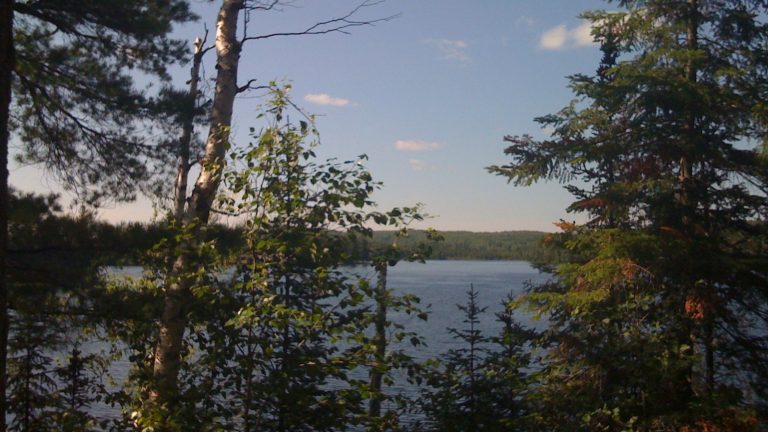
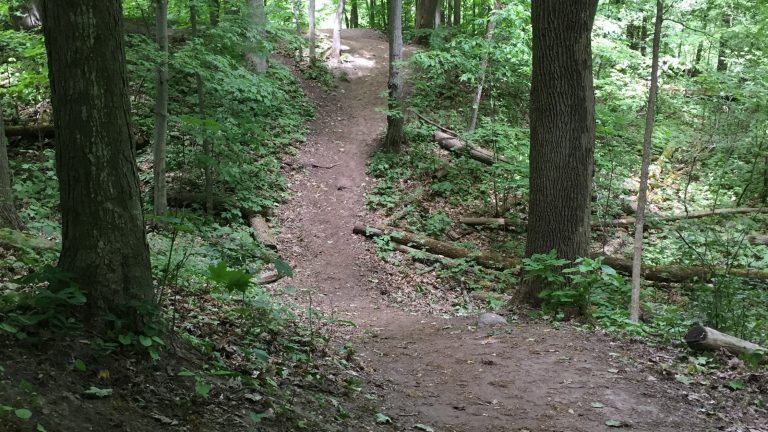
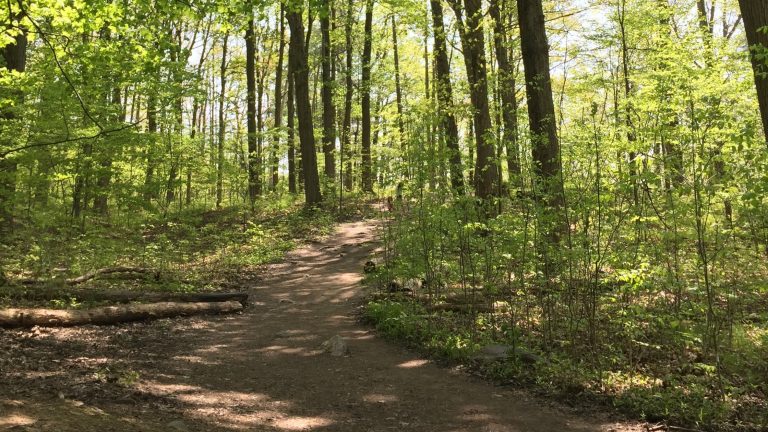
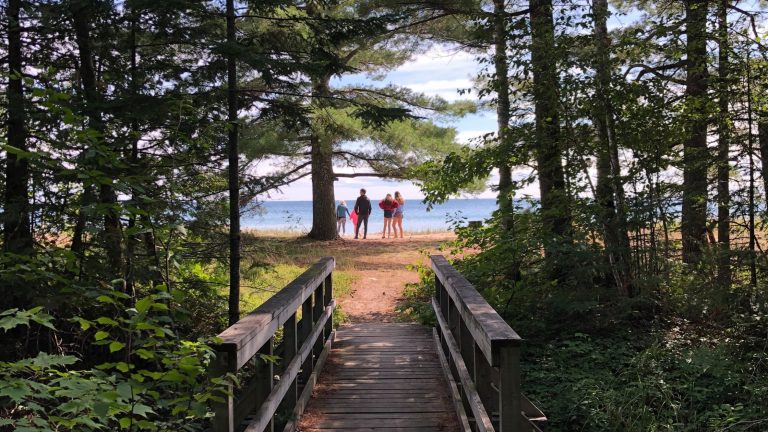
Visitors can embark on invigorating hikes along well-maintained trails that wind through picturesque scenery, revealing breathtaking vistas at every turn. The park’s tranquil lakes provide ample opportunities for fishing, kayaking, and canoeing, allowing guests to immerse themselves in the calming sounds of nature. As the sun sets, the sky transforms into a canvas of vibrant hues, offering a magical end to a day spent in this peaceful haven.
Camping under the stars enhances the experience, with well-equipped sites that ensure comfort while remaining close to nature. Lac qui Parle State Park is not just a destination; it is a sanctuary where luxury meets the great outdoors, inviting you to unwind and reconnect with the beauty of Minnesota.
Seasons
In spring, the park’s 5,000-acre lake becomes a haven for migrating waterfowl, offering unparalleled birdwatching opportunities amidst blooming prairies and tranquil waters.
In summer, the park’s warm temperatures and abundant sunshine create ideal conditions for fishing, boating, and hiking, while the lush landscapes and vibrant wildlife offer a picturesque backdrop for relaxation and exploration.
In fall, the park’s 5,000-acre lake becomes a haven for migrating geese, offering unparalleled birdwatching opportunities, while its trails provide serene hikes through vibrant autumn landscapes.
Embrace winter’s serene beauty with cross-country skiing and snowshoeing along scenic trails, culminating in a cozy warming house offering hot cocoa and s’mores.
Top 3 Facts about Lac qui Parle State Park
During migration seasons, rare bird species such as the American white pelican and the sandhill crane can be spotted in large numbers, drawing birdwatchers and nature enthusiasts who marvel at their stunning formations and behaviors, showcasing the park’s unique role in supporting diverse wildlife.
In Minnesota, a unique phenomenon occurs where the park’s varied topography creates microclimates, allowing for diverse plant species to thrive; this results in extreme temperature fluctuations, with recorded highs reaching over 100°F in summer and lows plummeting below -30°F in winter, showcasing dramatic seasonal contrasts.
Known for its unique trails like the “Snipe Hunt Trail,” this park boasts firsts in outdoor sports such as hosting the state’s inaugural canoe race, while unusual rules prohibit metal detecting and collecting plants, preserving the area’s natural beauty for all visitors.
Travel Tips
Plan Ahead
To make the most of your visit, plan ahead by checking trail maps and weather conditions. Consider arriving early to secure a prime picnic spot or campsite, and pack essentials like water, snacks, and sunscreen. With diverse activities available, from hiking to birdwatching, a little preparation ensures a memorable outdoor experience.
Pack Appropriately
When visiting this scenic Minnesota gem, pack a lightweight fishing rod and tackle; the diverse fish population in the lakes offers a unique opportunity for anglers. Additionally, bring a sturdy pair of binoculars to fully appreciate the vibrant birdwatching scene, especially during migration seasons when rare species make their appearance.
Respect Wildlife
When exploring this beautiful area, always maintain a respectful distance from wildlife. Avoid feeding animals, as it disrupts their natural foraging habits and can lead to dangerous encounters. Keep noise levels low to minimize stress on local species, and stay on marked trails to protect their habitats. Observing animals in their natural environment provides a rewarding experience while ensuring their safety.
Stay Informed
Stay informed before your visit by checking the weather, temperatures, and any fire bans or notices. Know the emergency contact information and ensure someone knows your destination and expected return time to enhance your safety and enjoyment.
Accessibility & permits
Emergency

Planning a trip?
Tell us about your upcoming trip and how we can help!
Frequently Asked Questions
Ready to dive into what Lac qui Parle State Park has to offer? Let’s tackle some of the burning questions you might have as you plan your visit!
-
The best times to visit Lac qui Parle State Park are during the spring and fall when the weather is mild and the scenery is vibrant with blooming flowers and autumn foliage. Summer is also popular for outdoor activities, but it can be crowded. Winter offers unique opportunities for snowshoeing and cross-country skiing, making it a year-round destination.
-
Activities available at Lac qui Parle State Park include hiking, birdwatching, fishing, and camping. The park is known for its diverse wildlife and scenic trails, perfect for nature enthusiasts. In the summer, visitors can enjoy swimming and picnicking by the lake, while winter activities include snowmobiling and ice fishing.
-
Yes, pets are allowed in Lac qui Parle State Park, but they must be leashed and cleaned up after. There are designated pet-friendly areas, making it a great spot for dog owners to enjoy outdoor adventures together.
-
To get to Lac qui Parle State Park, take Highway 75 to Watson, Minnesota, then follow the signs to the park entrance. The park is located approximately 150 miles west of Minneapolis, making it easily accessible by car for a day trip or weekend getaway.
-
Accommodations at Lac qui Parle State Park include campsites for tents and RVs, with some sites offering electrical hookups. There are also picnic areas and restrooms available. Nearby towns provide additional lodging options, including hotels and motels for those seeking more comfort.