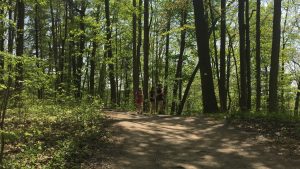
Discover a hidden gem of natural beauty and diverse wildlife in Louisiana's serene landscapes.
Newest








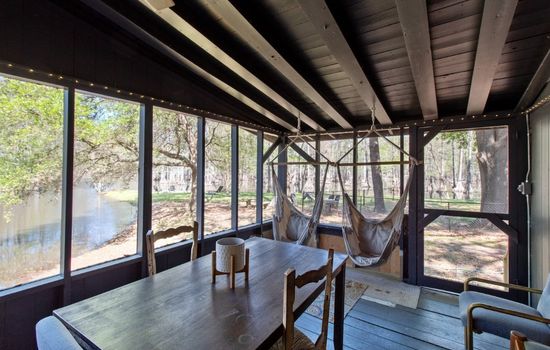
Discover a hidden gem of natural beauty and diverse wildlife in Louisiana's serene landscapes.
Discover the serene beauty of the Lafayette Wildlife Management Area, a hidden gem in Arkansas that invites nature enthusiasts and outdoor adventurers alike. Spanning over 12,000 acres, this expansive area offers an unparalleled opportunity to immerse oneself in the lush landscapes and diverse ecosystems that characterize the region. From sprawling wetlands to dense forests, each corner of the management area showcases the breathtaking allure of the natural world.
Visitors can explore a network of trails that meander through the terrain, perfect for hiking, birdwatching, and photography. The area is home to a rich variety of wildlife, including deer, waterfowl, and numerous bird species, making it a prime spot for both seasoned hunters and casual observers. The tranquil atmosphere enhances the experience, allowing guests to unwind and connect with nature.
Whether you seek adventure or a peaceful retreat, Lafayette Wildlife Management Area caters to all. Experience the harmony of nature in this Arkansas sanctuary, where every visit promises new discoveries and lasting memories.
Seasons
In spring, Lafayette County’s 12,306-acre wildlife haven offers a serene escape with its lush pine forests, abundant wildlife, and tranquil fishing spots along Lake Erling.
Experience the vibrant summer months of June, July, and August in Lafayette County, Arkansas, where the warm temperatures and abundant sunshine create ideal conditions for outdoor adventures such as hiking, birding, and camping.
In September, October, and November, the area transforms into a vibrant tapestry of gold, red, and orange, offering ideal conditions for hunting, fishing, and camping amidst cooler temperatures.
Experience the serene beauty of Arkansas’s Lafayette County Wildlife Management Area during winter, where crisp air and tranquil landscapes offer unparalleled opportunities for hunting, hiking, and wildlife observation.
Top 3 Facts about Lafayette Wildlife Management Area
In this wildlife management area, rare sightings include the elusive Eastern Box Turtle, while migratory events showcase flocks of Sandhill Cranes, and the unique habitat supports endemic species like the Louisiana Black Bear, highlighting the intricate balance of biodiversity in this region.
In this region, unique microclimates exist due to varying elevations and vegetation, creating distinct weather patterns that can lead to sudden temperature shifts, with recorded extremes ranging from freezing conditions to unseasonably warm spells, influencing local flora and fauna in fascinating ways.
Known for its unique trails like “Screaming Eagle” and records in wildlife observation, this area prohibits activities such as horseback riding and motorized vehicles, ensuring a tranquil experience for nature enthusiasts while fostering a safe environment for diverse species.
Travel Tips
Plan Ahead
For an unforgettable experience in this Arkansas gem, plan your visit ahead of time. Check seasonal wildlife patterns and weather forecasts to maximize your chances of spotting diverse species. Bring essential gear, including binoculars and a camera, and consider timing your trip for early morning or late afternoon when animals are most active. With thoughtful preparation, you’ll enhance your adventure in this natural paradise.
Pack Appropriately
When visiting this stunning Arkansas area, pack a lightweight, breathable rain jacket. Sudden showers can sweep through the region, especially in spring and early summer, catching unprepared hikers off guard. Layering is key; start with moisture-wicking clothing to stay comfortable while exploring the diverse wildlife and lush landscapes.
Respect Wildlife
When exploring this Arkansas haven, prioritize wildlife respect by keeping a safe distance from animals and avoiding loud noises. Observe creatures in their natural habitat without disturbing their routines, and always stay on marked trails to protect their environment. Carry binoculars for a closer look, ensuring memorable encounters while preserving the delicate balance of nature.
Stay Informed
Stay informed before your visit by checking the weather, temperatures, and any fire bans or notices. Make sure to know emergency contact information and inform someone about your destination and expected return time. Being prepared enhances your experience and ensures safety during your outdoor adventure.
Accessibility & permits
Emergency

Planning a trip?
Tell us about your upcoming trip and how we can help!


Frequently Asked Questions
Ready to dive into what Lafayette Wildlife Management Area has to offer? Let’s tackle some of the burning questions you might have as you plan your visit!
-
Hunting seasons at Lafayette County WMA typically align with Arkansas state regulations, generally including deer, turkey, and small game seasons. Specific dates may vary each year, so checking the Arkansas Game and Fish Commission website for the latest updates is recommended. Bag limits also adhere to state guidelines, with specific limits for each species, such as a maximum of 5 deer per season with restrictions on antlered deer.
-
Camping is permitted at Lafayette County WMA, with designated camping areas available for visitors. Campers should ensure they follow all rules regarding campfires, waste disposal, and wildlife interactions to preserve the natural environment.
-
Lafayette County WMA is home to a diverse range of wildlife, including white-tailed deer, wild turkey, various waterfowl, and small game such as rabbits and squirrels. Birdwatchers can also enjoy observing numerous bird species that inhabit the area.
-
To obtain a Lafayette County WMA leased lands permit, you must visit the Arkansas Game and Fish Commission’s website or local office. The process usually involves filling out an application and paying a fee, with permits available for specific hunting or fishing activities.
-
Fishing opportunities at Lafayette County WMA include access to several lakes and streams, where anglers can catch species such as bass, catfish, and crappie. It’s advisable to check local regulations for specific fishing seasons and limits.