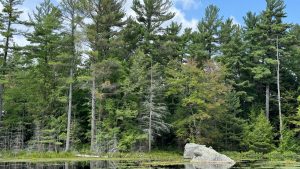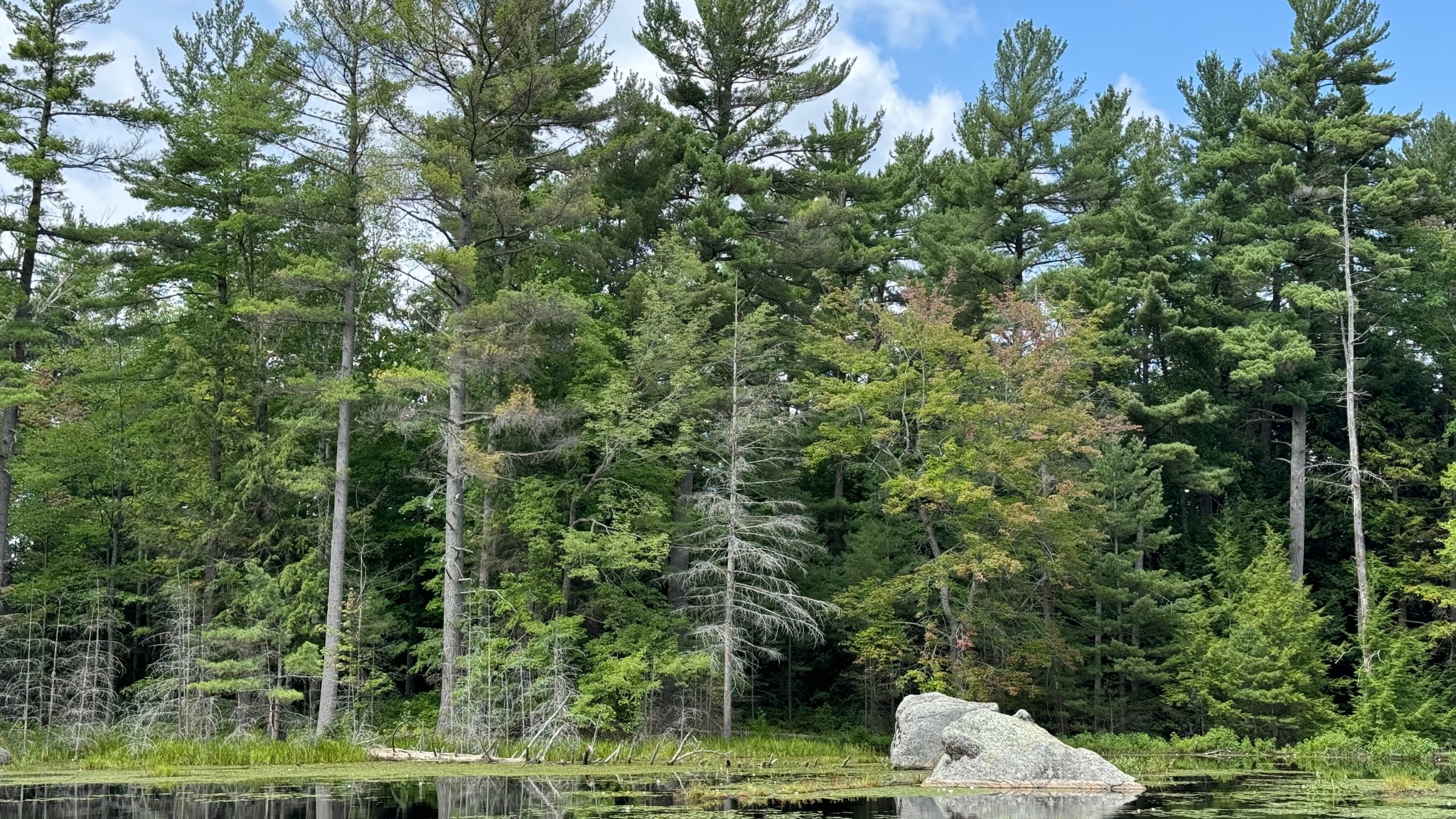
Discover a hidden gem of biodiversity and breathtaking landscapes in this serene wildlife haven.



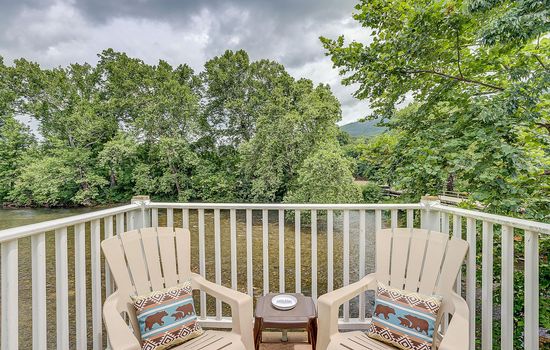
Discover a hidden gem of biodiversity and breathtaking landscapes in this serene wildlife haven.
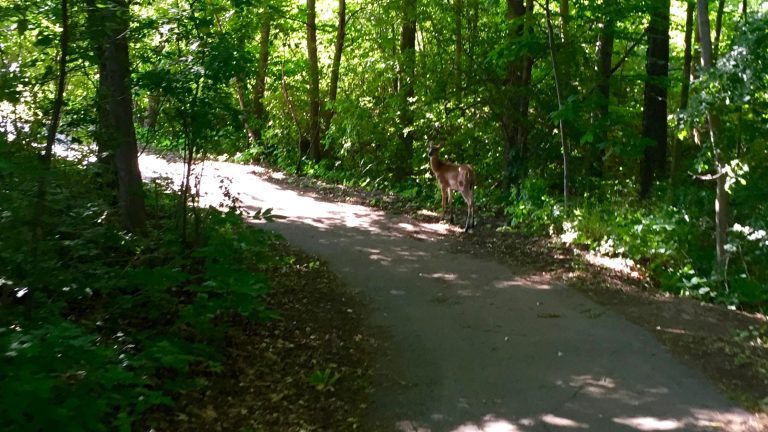
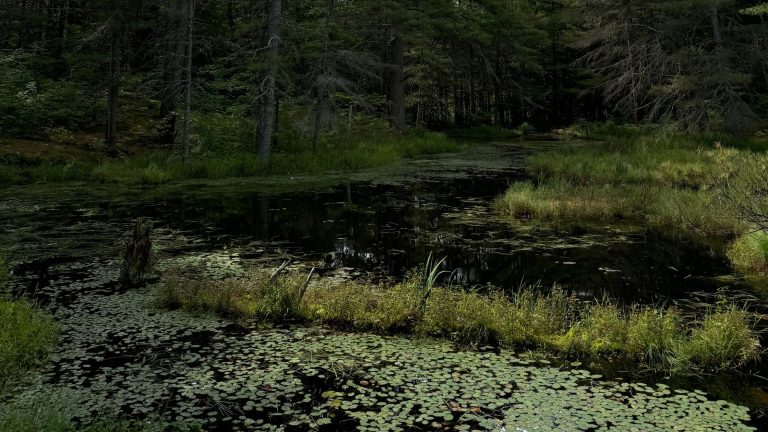
Little River Wildlife Management Area in Florida offers an enchanting escape into a realm where nature thrives. Spanning over 12,000 acres, this pristine sanctuary showcases the rich biodiversity of the region, inviting visitors to immerse themselves in its serene landscapes. The area features a tapestry of wetlands, hardwood swamps, and pine forests, creating a backdrop for an array of wildlife including deer, alligators, and a multitude of bird species.
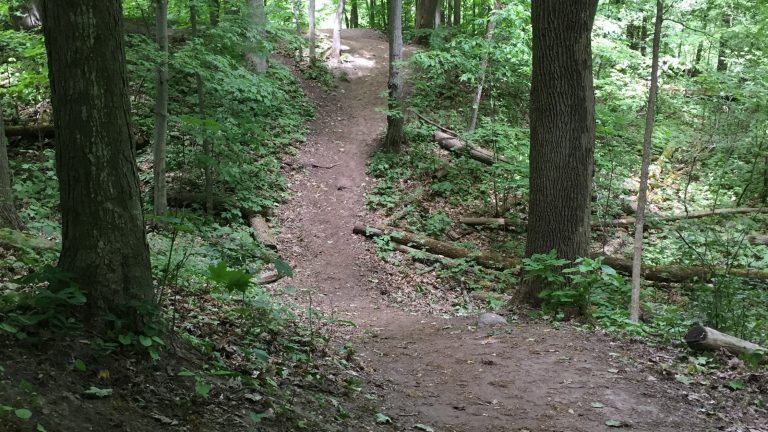
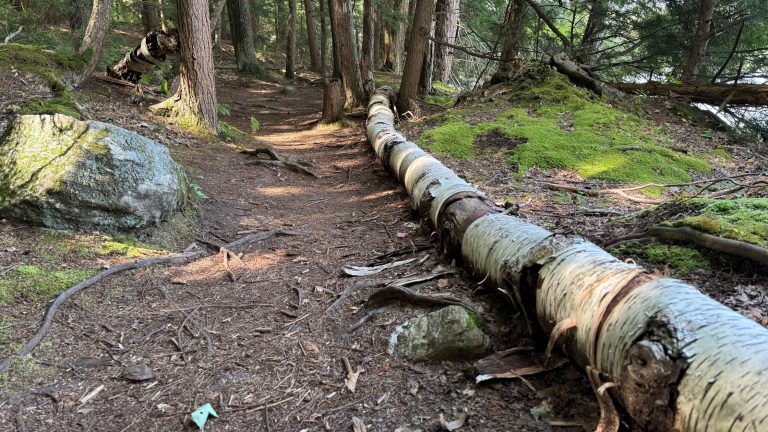
Adventurers will find a wealth of activities to engage in, from hiking along scenic trails to kayaking through tranquil waterways. The gentle sounds of nature accompany each step, offering a refreshing break from the hustle and bustle of daily life. As the sun sets, the vibrant colors reflecting off the water create a breathtaking tableau, perfect for photography enthusiasts seeking to capture the magic of the moment.
For those looking to connect with Florida’s wild heart, Little River Wildlife Management Area stands as a testament to the state’s natural beauty. Whether you seek solitude or adventure, this wildlife haven promises an unforgettable experience.
Seasons
Spring’s mild temperatures and abundant wildlife make it an ideal season to explore this tranquil haven, offering a serene escape into nature’s embrace.
Summer’s sultry embrace transforms this serene haven into a haven for anglers, hikers, and wildlife enthusiasts, offering unparalleled opportunities to connect with nature’s vibrant pulse.
In fall, the area offers prime hunting seasons, abundant wildlife viewing, and comfortable temperatures, making September through November ideal for outdoor enthusiasts seeking a tranquil retreat.
Experience the serene beauty of Florida’s Middle Suwannee River in winter, where cooler temperatures and abundant wildlife make December through February ideal for hiking, fishing, and birdwatching.
Top 3 Facts about Little River Wildlife Management Area
This area is known for its remarkable animal migrations, including rare sightings of the endangered red-cockaded woodpecker and the elusive eastern indigo snake, both of which thrive in the unique ecosystems created by its diverse habitats and seasonal changes, making it a hotspot for wildlife enthusiasts.
In this unique area, extreme temperature variations can create microclimates, resulting in diverse ecosystems where certain species thrive, while sudden storm events can lead to fascinating phenomena like rare water spouts and localized flooding, showcasing the unpredictable nature of weather patterns and their impact on wildlife.
Known for its unique trail named “Screaming Eagle” and a ban on motorized vehicles, this wildlife management area also boasts records in birdwatching and fishing, making it a prime spot for outdoor enthusiasts seeking both adventure and tranquility in nature.
Travel Tips
Plan Ahead
To fully enjoy your visit, plan ahead by checking weather conditions and trail maps. Arrive early to secure parking and maximize wildlife viewing opportunities, especially during dawn and dusk when animals are most active. Bring plenty of water, snacks, and insect repellent, and consider packing a camera for capturing the stunning landscapes and diverse fauna.
Pack Appropriately
When packing for your trip, include a lightweight, waterproof jacket to combat sudden rain showers common in Florida’s subtropical climate. Additionally, bring a pair of binoculars to fully appreciate the diverse birdlife and wildlife, as many species thrive in the area’s unique wetlands. Don’t forget insect repellent to fend off mosquitoes, especially during the warmer months.
Respect Wildlife
Respect local wildlife by observing from a distance and avoiding feeding animals, which can disrupt their natural behaviors. Stay on designated trails to protect fragile habitats and ensure your presence doesn’t disturb nesting birds or other wildlife. Bring binoculars for a closer look while keeping a safe space, allowing you to enjoy the beauty of nature without intruding.
Stay Informed
Before visiting, check the weather forecast, temperatures, and any fire bans or notices. Ensure you know emergency contact information and inform someone about your destination and expected return time. Staying informed helps ensure a safe and enjoyable experience.
Accessibility & permits
Emergency

Planning a trip?
Tell us about your upcoming trip and how we can help!
Frequently Asked Questions
Ready to dive into what Little River Wildlife Management Area has to offer? Let’s tackle some of the burning questions you might have as you plan your visit!
-
Little River WMA offers a variety of activities including hiking, birdwatching, fishing, and wildlife observation, making it an excellent destination for outdoor enthusiasts. Visitors can explore numerous trails that wind through diverse habitats, providing opportunities to see various flora and fauna.
-
Camping is not permitted in Little River WMA. However, nearby campgrounds offer facilities for those looking to stay overnight in the area. Visitors are encouraged to plan their trips accordingly and check local regulations for nearby camping options.
-
Hunting regulations at Little River WMA include specific seasons and bag limits for various game species. Hunters must possess a valid Florida hunting license and follow all state regulations. It’s crucial to check the latest updates on hunting seasons and rules before planning a hunting trip.
-
Access to Little River WMA is available via designated entry points, with parking areas provided for visitors. The area is generally open during daylight hours, and visitors should consult local maps for specific access routes and any seasonal closures.
-
Wildlife observation at Little River WMA includes a variety of species such as deer, wild turkeys, and numerous birds, including migratory species. The diverse ecosystems within the WMA support a rich array of wildlife, making it a prime spot for nature lovers and photographers.